Starting or returning to exercise later in life often comes with a specific kind of hesitation — not about motivation, but about safety. Will this hurt something? Am I too out of shape to start? These are reasonable questions, and understanding genuine safe exercise tips for older adults can transform that hesitation into confident, sustainable action that builds real strength and stamina over time.
Having worked with seniors across a huge range of starting points — from those who haven’t exercised in decades to those managing multiple health conditions — I’ve seen that safety and effectiveness aren’t competing priorities. The right approach allows both, and most fear around exercise safety comes from uncertainty rather than genuine, unavoidable risk that can’t be managed responsibly.
Start With a Conversation With Your Doctor
Before beginning any new exercise program, particularly if you have existing health conditions, take multiple medications, or haven’t been active in some time, a conversation with your doctor provides valuable context specific to your situation. This isn’t about seeking permission so much as gathering information — understanding whether specific conditions require modifications, whether any current medications affect exercise response, and what warning signs might warrant stopping a particular activity.
This conversation tends to be brief and straightforward for most people, and provides genuine peace of mind that allows you to exercise with confidence rather than nagging uncertainty about whether it’s truly safe for your specific situation.
Understanding Why Fear of Injury Often Outpaces Actual Risk
Many older adults significantly overestimate the injury risk associated with appropriate exercise, while simultaneously underestimating the very real risks associated with prolonged inactivity — including muscle loss, increased fall risk, and cardiovascular decline. This mismatch in perceived versus actual risk often stems from isolated stories of injury during exercise, which tend to be memorable precisely because they’re relatively uncommon, rather than reflecting the typical, much safer experience of appropriately designed activity.
Understanding this distinction can help shift the framing from “is exercise risky?” to the more accurate question: “how do I exercise in a way that minimizes risk while capturing the substantial benefits?” The tips throughout this article are designed to answer exactly that question, allowing genuine confidence rather than either reckless disregard for safety or excessive, limiting caution.
The Difference Between Caution and Avoidance
There’s an important distinction between reasonable caution — starting slowly, learning proper form, listening to your body — and avoidance, which uses safety concerns as a reason to not exercise at all. The former genuinely protects you while still capturing exercise benefits; the latter, while feeling protective in the moment, actually increases long-term health risk by allowing continued decline in strength, balance, and cardiovascular fitness.
If you notice yourself repeatedly finding reasons to delay starting or returning to exercise, it’s worth honestly examining whether this reflects genuine safety concerns that need addressing, or a more general avoidance that safety concerns are simply providing convenient justification for. Both are understandable, but only the first genuinely requires modification to your approach rather than a shift in mindset about getting started.
Begin Slower Than Feels Necessary
One of the most common mistakes among those starting or returning to exercise is beginning at an intensity that feels appropriately challenging based on memory of past fitness levels, rather than current, realistic capacity. This mismatch often leads to excessive soreness, discouragement, or in some cases, genuine injury.
Starting noticeably easier than you think you need to — shorter walks, lighter resistance, fewer repetitions — allows your body to adapt gradually while building the confidence and consistency that matters far more for long-term success than any single session’s intensity.
Prioritize Proper Form Over Speed or Repetitions
Rushing through exercises, or prioritizing higher repetition counts over careful, controlled movement, significantly increases injury risk without providing proportional benefit. Taking time to learn proper form for each exercise, even if this means fewer repetitions initially, produces both safer and more effective results over time.
If you’re unsure whether your form is correct for a particular exercise, working with a trainer experienced in senior fitness for even a few sessions, or watching instructional videos specifically designed for older adults, can help ensure you’re moving safely from the start.
Warm Up Before Every Session

A proper warm-up — five to ten minutes of gentle movement that gradually increases heart rate and loosens joints — prepares your body for more demanding exercise and meaningfully reduces injury risk. This becomes increasingly important with age, as joints and muscles generally require more preparation time before demanding activity compared to younger bodies.
Simple warm-up options include a slow walk, gentle marching in place, or light versions of the exercises you’re about to perform at reduced intensity, gradually building toward your full workout.
Listen to Pain Signals Carefully
Learning to distinguish between the normal discomfort of muscular effort and pain that signals genuine problems is an essential safety skill. Mild muscle fatigue or a sense of effort during exercise is expected and normal. Sharp, sudden pain, pain in a joint rather than a muscle, or pain that persists well after exercise ends are signals to stop and reassess, potentially with guidance from a doctor or physical therapist.
This distinction takes some practice to develop, particularly for those newer to exercise, but becomes increasingly intuitive with experience and attention.
Stay Hydrated Before, During, and After Exercise
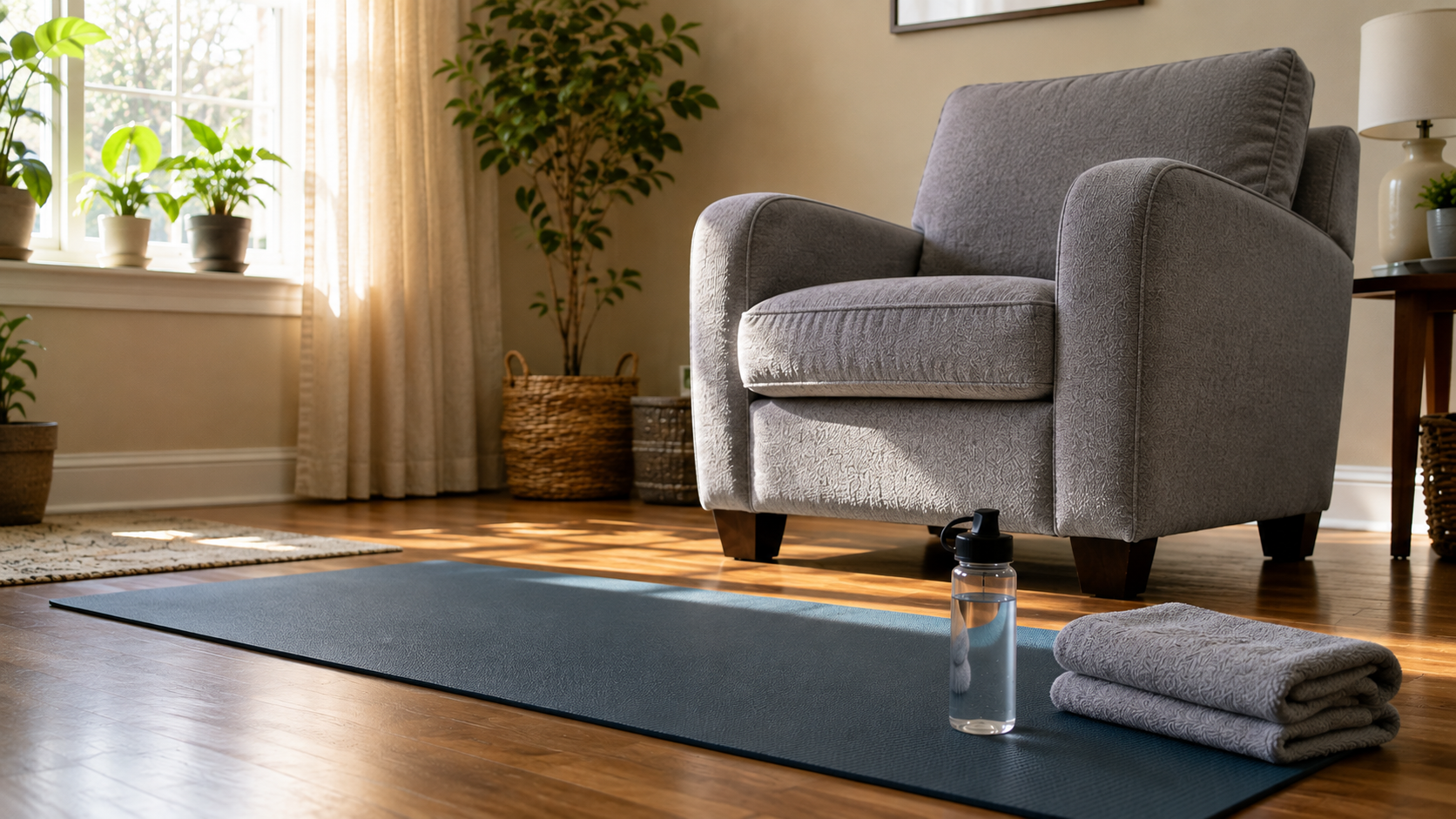
Dehydration risk increases with age due to reduced thirst sensitivity, and this risk compounds during exercise, when fluid loss through sweat adds to overall hydration demands. Drinking water before starting, having water accessible during longer sessions, and continuing to hydrate afterward all support safe, comfortable exercise, particularly in warmer conditions or during longer workout sessions.
Choose Appropriate Footwear and Clothing
Supportive, well-fitting athletic shoes significantly reduce injury risk during most forms of exercise, providing stability and cushioning that regular shoes or slippers don’t offer. Clothing that allows full range of motion without being so loose that it creates a tripping hazard also supports safer exercise, particularly for activities involving significant movement or reaching.
Exercise in a Safe, Prepared Environment
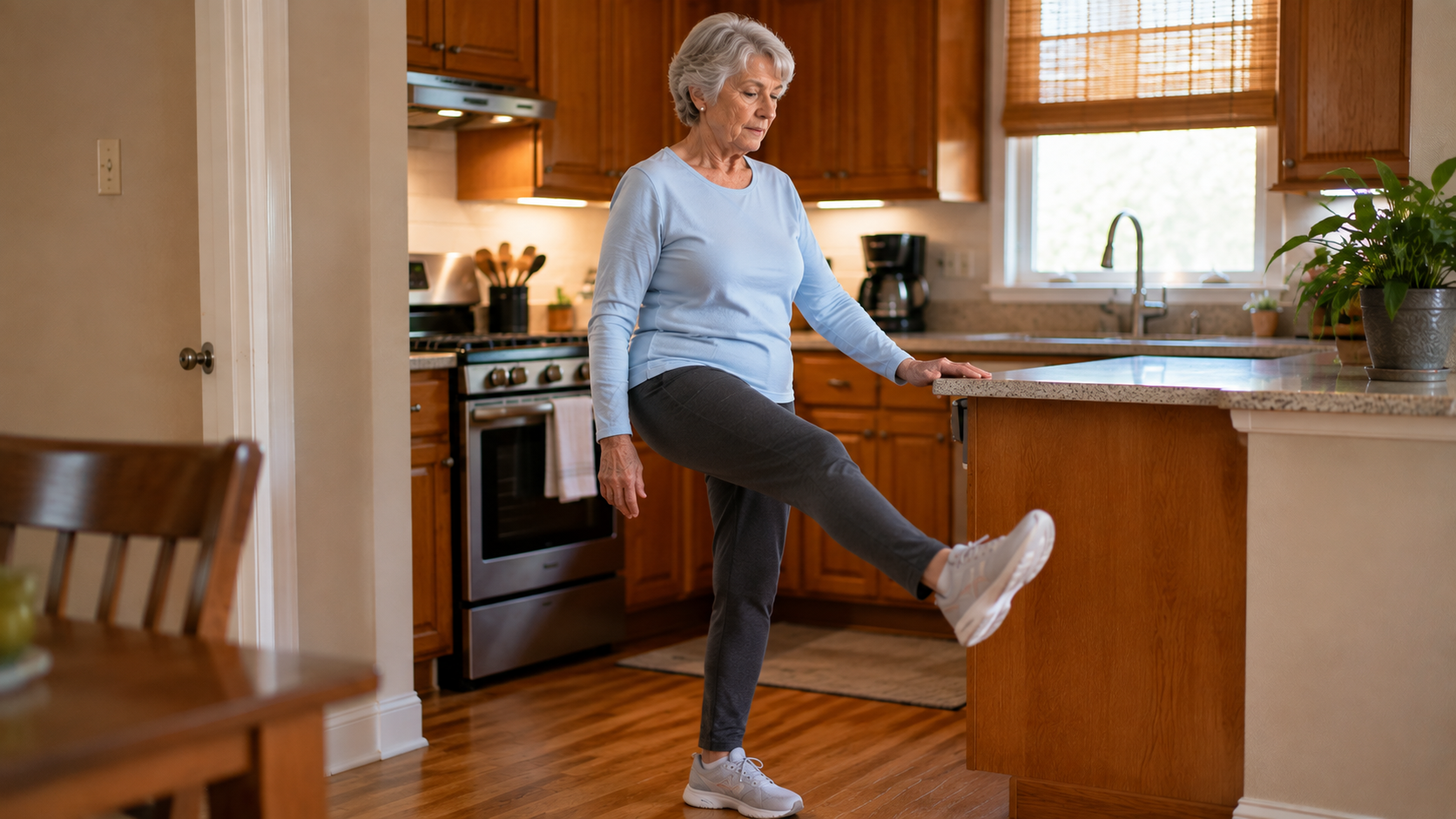
Whether exercising at home or in a gym setting, ensuring your immediate environment supports safety matters considerably. At home, this means clearing the exercise area of tripping hazards, ensuring adequate lighting, and having a sturdy chair or wall nearby for balance-dependent exercises. In a gym setting, this means understanding how to use equipment properly and not hesitating to ask staff for guidance when uncertain.
Progress Gradually, Not Dramatically
Increasing exercise intensity, duration, or resistance should happen incrementally over weeks and months, rather than in large jumps based on enthusiasm or impatience with slower progress. A common, reasonable guideline suggests increasing any single variable — weight, duration, repetitions — by no more than about 10% at a time, allowing your body adequate time to adapt to each incremental increase before adding further challenge.
Build in Adequate Recovery Time
Rest days between more demanding exercise sessions allow muscles and connective tissue to recover and adapt, which is when actual strength and fitness improvements occur, not during the exercise session itself. Older bodies generally require somewhat more recovery time between challenging sessions compared to younger bodies, making adequate rest an important, active component of a safe exercise program rather than simply time off.
Know the Warning Signs That Warrant Stopping Immediately
Certain symptoms during exercise warrant stopping immediately and seeking medical attention if they don’t quickly resolve, including chest pain or pressure, severe shortness of breath disproportionate to exercise intensity, dizziness or lightheadedness, or irregular heartbeat. While these symptoms are uncommon, knowing them in advance allows for quick, appropriate response rather than uncertainty or delay if they do occur.
Building Confidence Through Small, Early Wins
For many people returning to exercise after a long absence, or starting for the first time later in life, building confidence matters just as much as building physical capacity. Structuring early weeks around small, easily achievable goals — completing a short walk without stopping, finishing a full set of an exercise with good form — provides genuine evidence of capability that can counteract lingering doubt or fear.
This approach of celebrating small, early wins tends to build the kind of sustainable confidence that carries someone through the inevitable plateaus and harder days that come with any long-term exercise practice, rather than requiring dramatic transformation before feeling like the effort is worthwhile or the activity is genuinely safe for their body.
Recognizing That Setbacks Don’t Mean Starting Over
Illness, travel, family obligations, or simply a difficult stretch can interrupt even well-established exercise routines. It’s worth normalizing this reality in advance — an interruption of days or even weeks doesn’t erase previous progress entirely, though it may mean easing back in somewhat more gradually than picking up exactly where you left off.
Treating an interruption as a pause rather than a failure, and returning with the same gradual, thoughtful approach used when initially starting, tends to support long-term consistency far better than either pushing back in at full previous intensity (risking injury) or abandoning the routine entirely out of discouragement about the interruption itself.
Building a Realistic, Sustainable Exercise Plan
A sustainable approach for most older adults starting or returning to exercise might include:
- Weeks 1-2: Very light activity, focusing on establishing the habit and learning proper form rather than intensity
- Weeks 3-6: Gradually increasing duration and slightly increasing intensity as initial soreness resolves and confidence builds
- Ongoing: Continued gradual progression, combined with variety across strength, cardio, balance, and flexibility components
This measured pace, though it may feel slower than desired initially, tends to produce far better long-term adherence and results than an aggressive start that risks injury or burnout.
For specific exercise routines to incorporate into this safe framework, our articles on best exercises for seniors at home and balance exercises to prevent falls offer detailed, appropriate starting points.
According to the National Institute on Aging, most older adults can safely begin an exercise program, and the health risks of inactivity generally far outweigh the risks associated with appropriately designed physical activity, regardless of current age or fitness background.
Frequently Asked Questions
Do I need medical clearance before starting any exercise program? While not always strictly necessary for very light activity, checking with your doctor is a reasonable precaution for anyone with existing health conditions, those taking multiple medications, or those who haven’t been active in a long time and plan to start a more structured program.
How do I know if I’m progressing too quickly? Warning signs include persistent soreness that doesn’t resolve between sessions, new joint pain, excessive fatigue, or feeling discouraged rather than accomplished after workouts — all suggesting a need to scale back and progress more gradually before continuing to build intensity or duration further.
Is it normal to feel some soreness when starting exercise? Yes, mild muscle soreness in the day or two following new exercise is normal and expected, typically resolving on its own. This differs from joint pain or sharp pain during the activity itself, which warrants more caution.
What if I have multiple health conditions — is exercise still safe? In most cases, yes, though your doctor can help identify any specific modifications needed for your particular combination of conditions, and starting conservatively while monitoring your response remains a wise approach regardless of how many conditions you’re managing simultaneously.
Conclusion
Safe exercise for older adults isn’t about avoiding activity out of excessive caution — it’s about approaching movement thoughtfully, starting appropriately, progressing gradually, and listening carefully to your body’s signals along the way. With this approach, exercise becomes both genuinely safe and genuinely effective, supporting strength, independence, and confidence for years to come, regardless of how long it’s been since you last exercised regularly.
Disclaimer: This article is intended for general informational and educational purposes only and does not constitute medical advice. Please consult your doctor before beginning any new exercise program, especially if you have existing health conditions or haven’t exercised in an extended period.