
-
How to Childproof a Home for Dementia Without Making It Feel Like a Hospital

Learning how to childproof a home for dementia without making it feel like a hospital represents a genuine balancing act many families face — addressing real, significant safety concerns without stripping away the warmth, familiarity, and dignity of a space your loved one has called home, sometimes for decades. Having supported countless families navigating exactly…
-
How to Bring Up Assisted Living Without Starting a Fight

Few conversations feel as loaded as telling a parent you think it might be time to consider assisted living. You’ve likely rehearsed it in your head a dozen times, only to lose your nerve — because you know how it could go. A slammed door. A hurt silence. An accusation that you’re trying to control…
-
What to Know Before a Parent Moves Into Assisted Living, Financially

Assisted living represents one of the most significant financial decisions many families face during their caregiving journey, often carrying substantial monthly costs that catch families off guard if they haven’t researched and planned in advance. Understanding what to know before a parent moves into assisted living financially can help your family make this transition with…
-
How to Talk to Someone With Dementia Without Correcting or Arguing

Learning how to talk to someone with dementia without correcting or arguing represents one of the most valuable, if counterintuitive, communication skills family caregivers can develop over time. The instinct to correct factual errors or argue against confused statements feels natural, but this approach frequently causes genuine distress without providing any real benefit, while gentler…
-
How to Stop Feeling Guilty for Needing a Break From Caregiving

Learning how to stop feeling guilty for needing a break from caregiving represents one of the most common, persistent emotional struggles family caregivers face, often preventing them from accepting the very support that would genuinely sustain their ability to continue providing care. This guilt, while completely understandable, deserves direct examination, since it frequently causes more…
-
What Nobody Tells You About Grieving a Parent Who’s Still Alive

What nobody tells you about grieving a parent who’s still alive is just how real, disorienting, and profoundly isolating this specific kind of grief actually is. Unlike the grief that follows death, this experience — sometimes called ambiguous loss — involves mourning someone who remains physically present while the person you knew has changed in…
-
Caregiver Burnout Is Real: How to Know When You’ve Hit Your Limit

Caregiver burnout doesn’t announce itself clearly — it builds gradually, often disguised as simply being tired, busy, or stressed, until it eventually becomes something more significant and harder to ignore entirely. Understanding that caregiver burnout is real how to know when you’ve hit your limit represents an essential first step toward getting the support you…
-
Splitting Caregiving Costs With Siblings: How to Talk About It Fairly

Few caregiving conversations generate as much tension among siblings as money — who pays for what, whether contributions feel fair, and how to address the reality that caregiving responsibilities and financial capacity rarely distribute evenly among family members. Learning how to approach splitting caregiving costs with siblings fairly can prevent this common source of family…
-
How to Explain Dementia to Grandchildren in a Way They’ll Understand

Learning how to explain dementia to grandchildren in a way they’ll understand represents a genuinely important task, since children often sense that something has changed with a grandparent long before they receive any clear explanation, sometimes filling this information gap with confusion, fear, or self-blame if adults don’t provide honest, age-appropriate guidance. Having supported countless…
-
Should You Take Away the Car Keys? How to Handle That Conversation
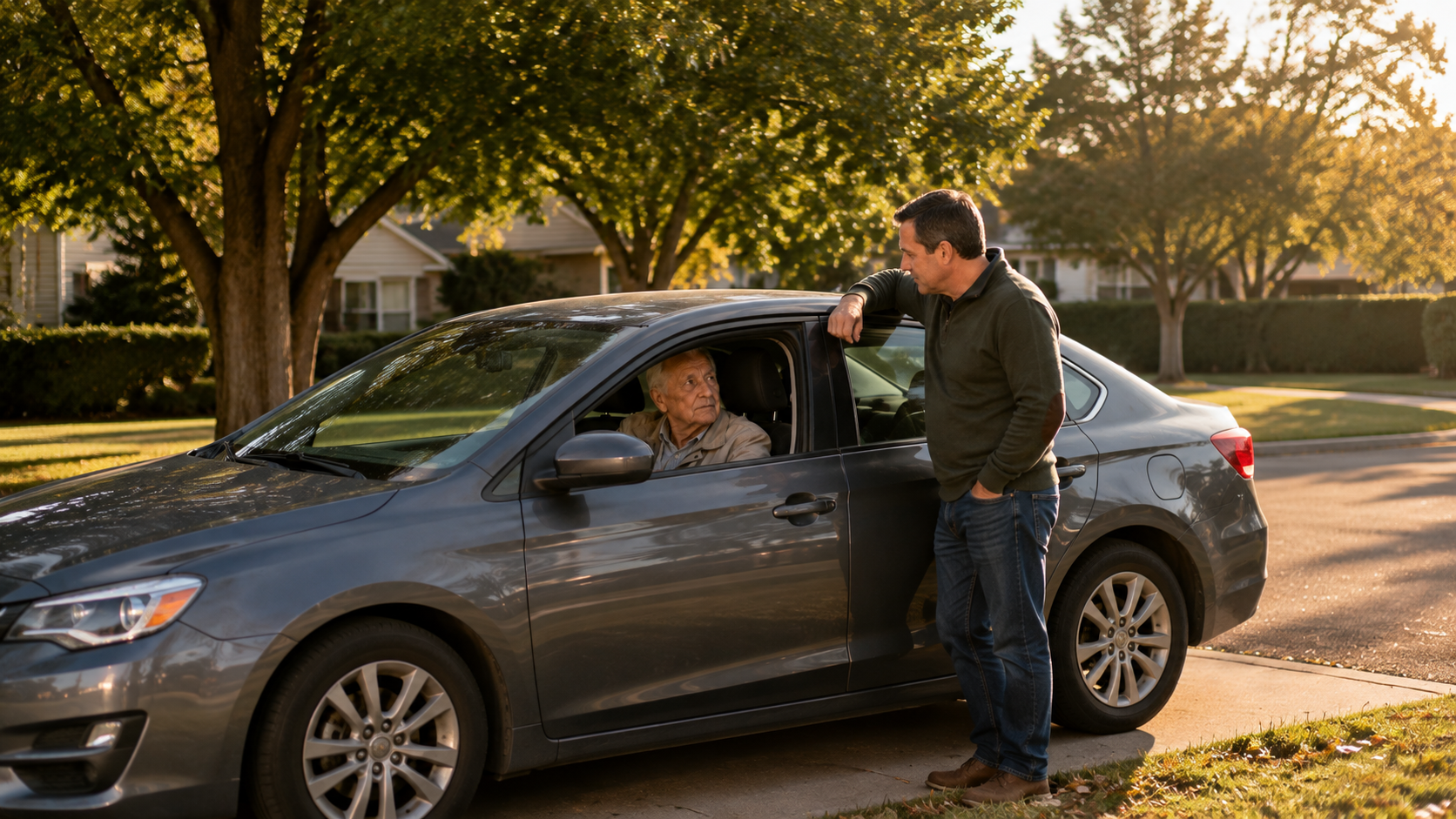
Should you take away the car keys? How to handle that conversation represents one of the most emotionally fraught questions many families face, since driving symbolizes independence and identity in ways that make this transition genuinely difficult, regardless of how clearly the safety concerns have become apparent to everyone else in the family. Having supported…
-
Early Signs of Dementia Families Often Miss (And Mistake for Normal Aging)
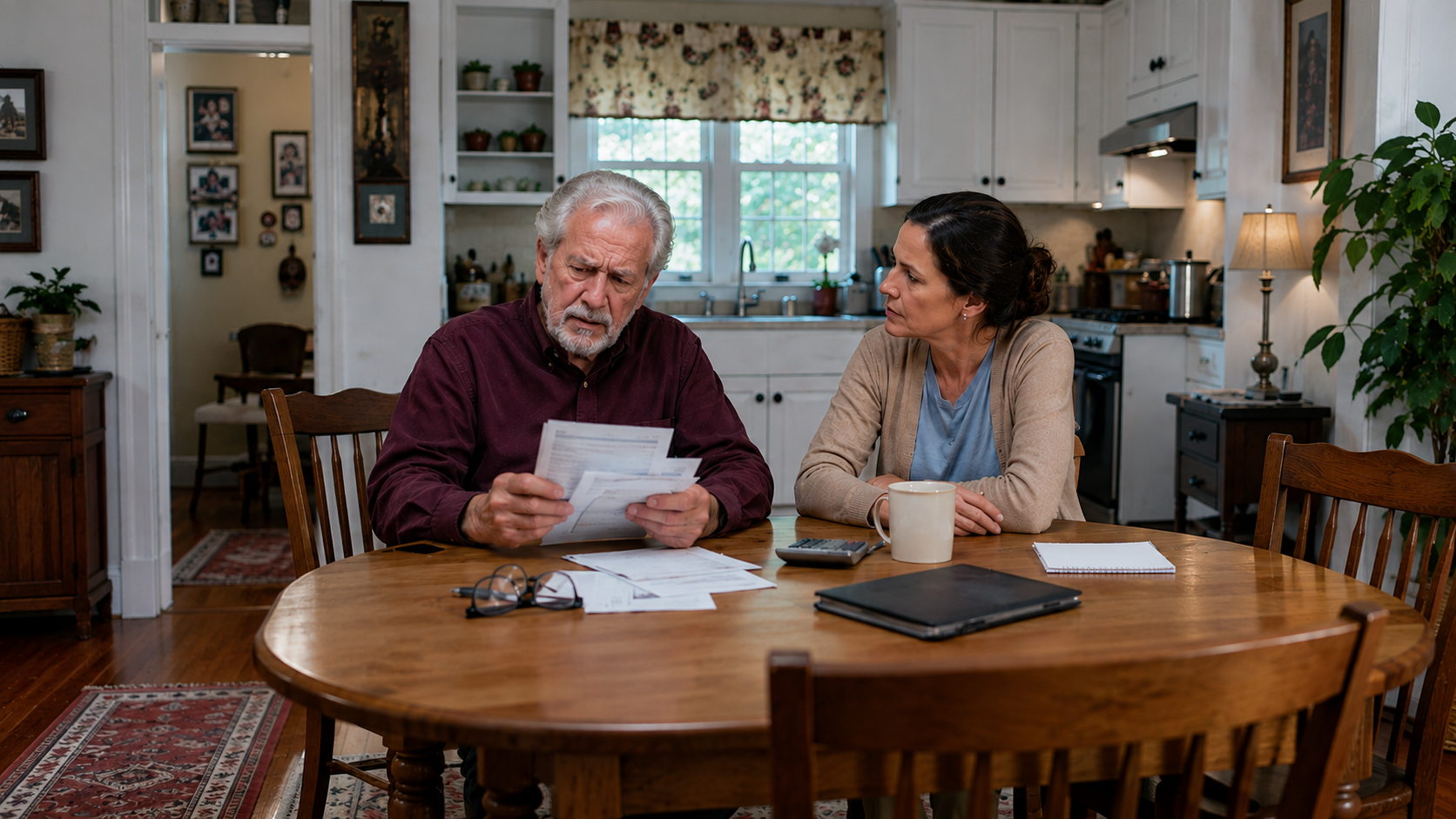
Early signs of dementia families often miss get dismissed as simply normal aging, stress, or personality quirks, delaying diagnosis and appropriate support during a period when early intervention could genuinely make a meaningful difference. Understanding these early, often subtle signs can help your family recognize when a loved one’s changes represent something more significant than…
-
How to Handle Sibling Disagreements Over a Parent’s Care
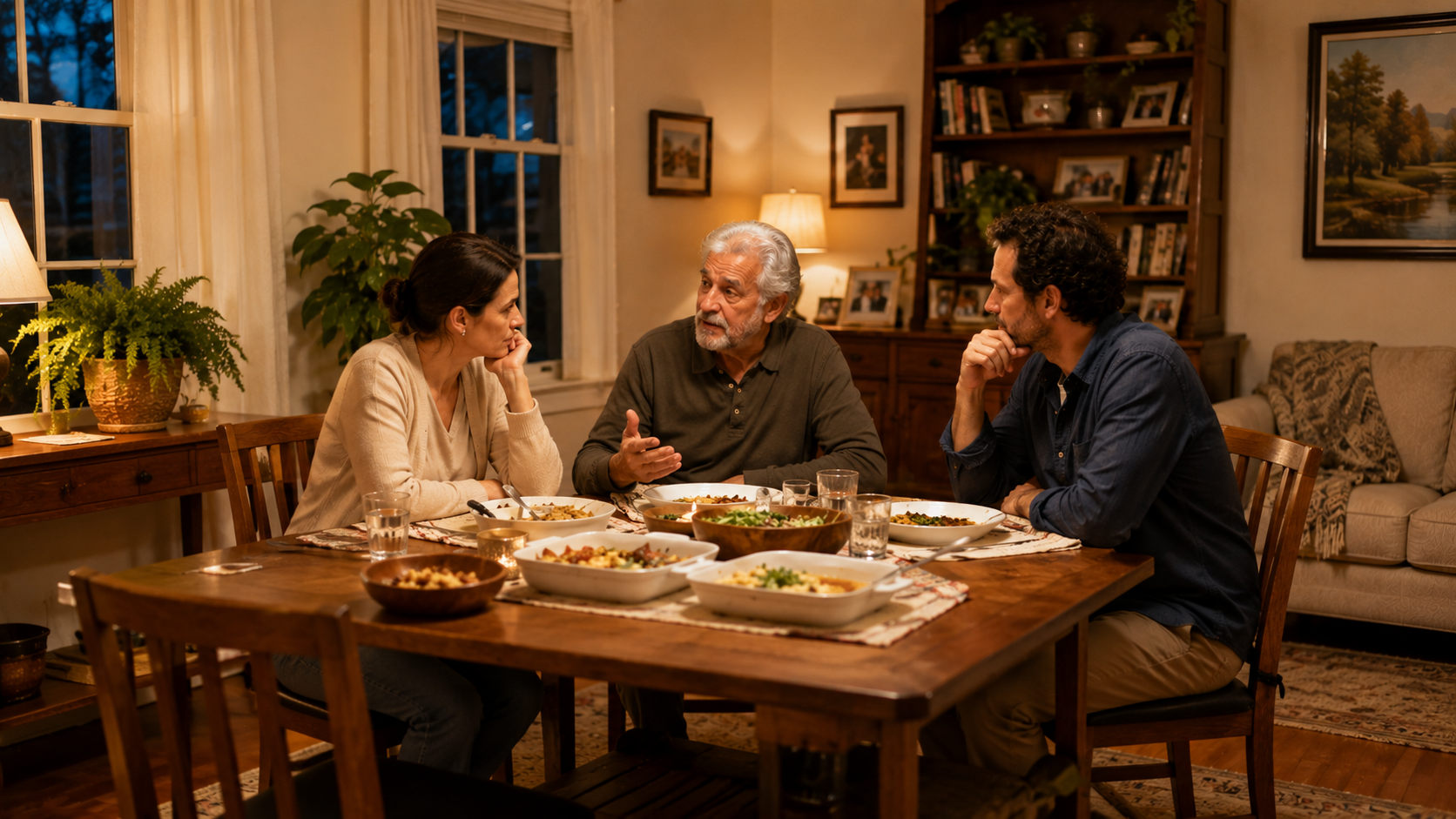
Learning how to handle sibling disagreements over a parent’s care represents one of the most emotionally charged challenges many families face, often surfacing old family dynamics alongside genuine differences in caregiving philosophy, availability, and values. These conflicts, left unaddressed, can cause lasting damage to family relationships that extends well beyond the caregiving period itself. Having…
-
Common Elder Financial Scams Family Caregivers Should Watch For

Financial scams targeting older adults have grown increasingly sophisticated, costing seniors billions of dollars annually while often going unreported due to embarrassment or fear. Understanding common elder financial scams family caregivers should watch for equips you to recognize warning signs early, potentially preventing devastating financial losses before they occur. Having supported families after both prevented…
-
How to Organize a Parent’s Medications Without Losing Your Mind

Somewhere between the blood pressure pill, the twice-daily supplement, the “as needed” inhaler, and the prescription that got changed last month, most family caregivers hit the same wall: medication management has quietly become a part-time job. Learning how to organize a parent’s medications without losing your mind isn’t about perfection — it’s about building a…
-
Power of Attorney Explained: What It Actually Covers (And What It Doesn’t)

Power of attorney is one of the most commonly referenced, yet frequently misunderstood, legal tools in caregiving and estate planning. Many families assume it grants broader, more automatic authority than it actually does, or delay establishing it until a crisis makes the process considerably more difficult. Getting power of attorney explained clearly can help your…
-
What to Do When You Live Far Away From an Aging Parent

Distance adds a genuine layer of complexity to caregiving that local families don’t face — you can’t simply drop by to check on a concerning symptom, attend every appointment, or handle an emergency in person within minutes. Understanding what to do when you live far away from an aging parent means building systems and relationships…
-
A Simple System for Managing a Parent’s Medical Appointments and Records
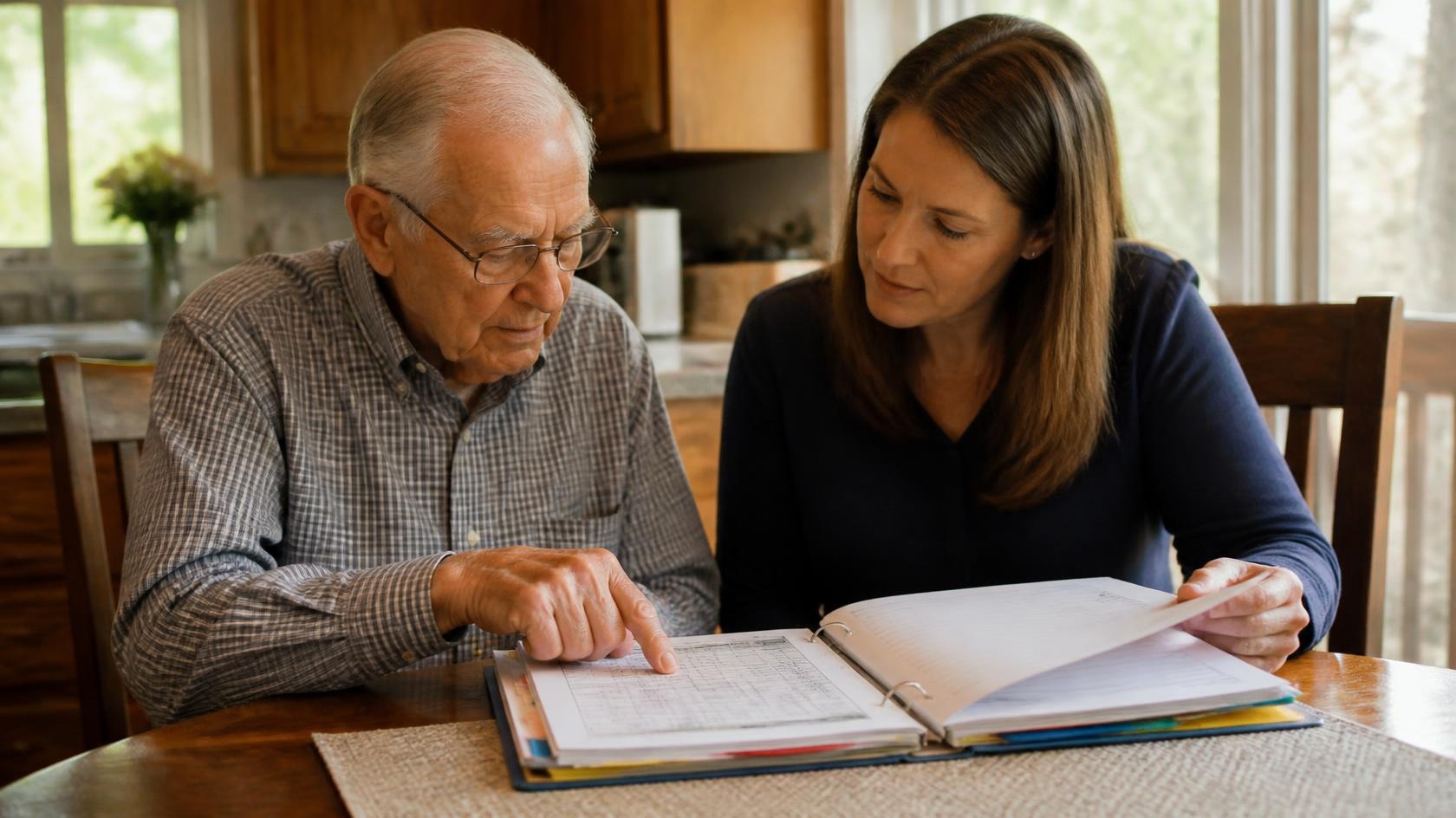
Between multiple specialists, changing medications, test results, and the sheer volume of paperwork that accumulates around aging parents’ healthcare, managing a parent’s medical appointments and records can quickly start to feel overwhelming, particularly for adult children juggling this alongside their own careers and families. A genuinely simple, sustainable system can transform this chaos into something…
-
The Conversation No One Wants to Have: Talking to Parents About End-of-Life Wishes

There’s a particular kind of dread that comes with the idea of talking to parents about end-of-life wishes. It can feel morbid, premature, or like you’re rushing toward something no one wants to think about. But families who avoid this conversation often pay for it later — with confusion, disagreement, and painful guesswork during an…
-
What to Do When Your Parent Refuses Help (Even When They Need It)

You see it clearly: your parent is struggling. Maybe they’re missing meals, skipping medications, or living in a home that’s become unsafe. You offer help — and they refuse. Not once, but every time you bring it up. Knowing what to do when your parent refuses help, even when they clearly need it, is one…
-
Signs Your Aging Parent May Need More Help Than They’re Letting On

If you’ve been noticing small things — a stack of unopened mail, a fridge with more expired food than fresh, a parent who seems “off” but insists everything is fine — you’re not imagining it. Recognizing the signs your aging parent may need more help is one of the hardest parts of caregiving, because parents…