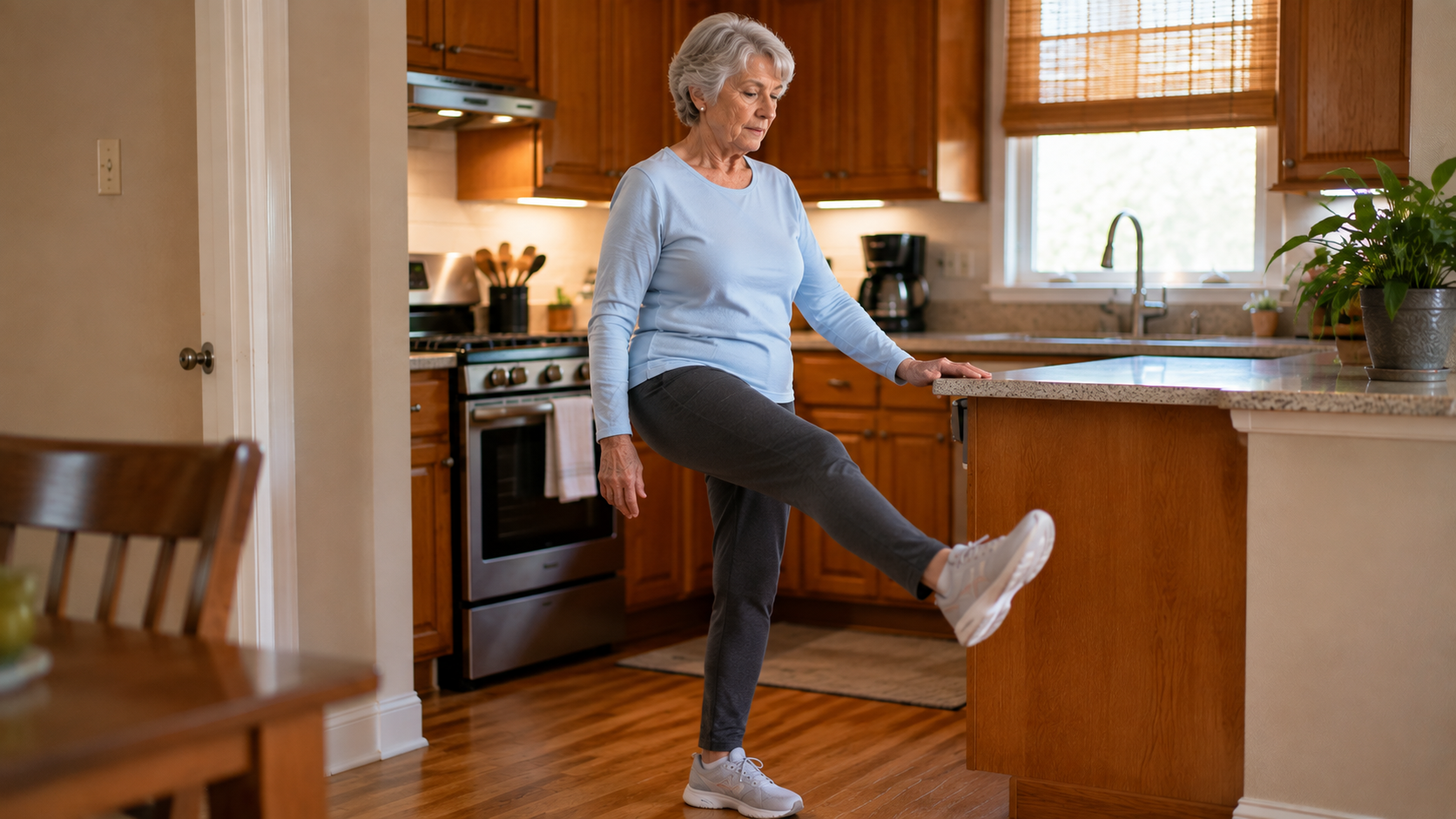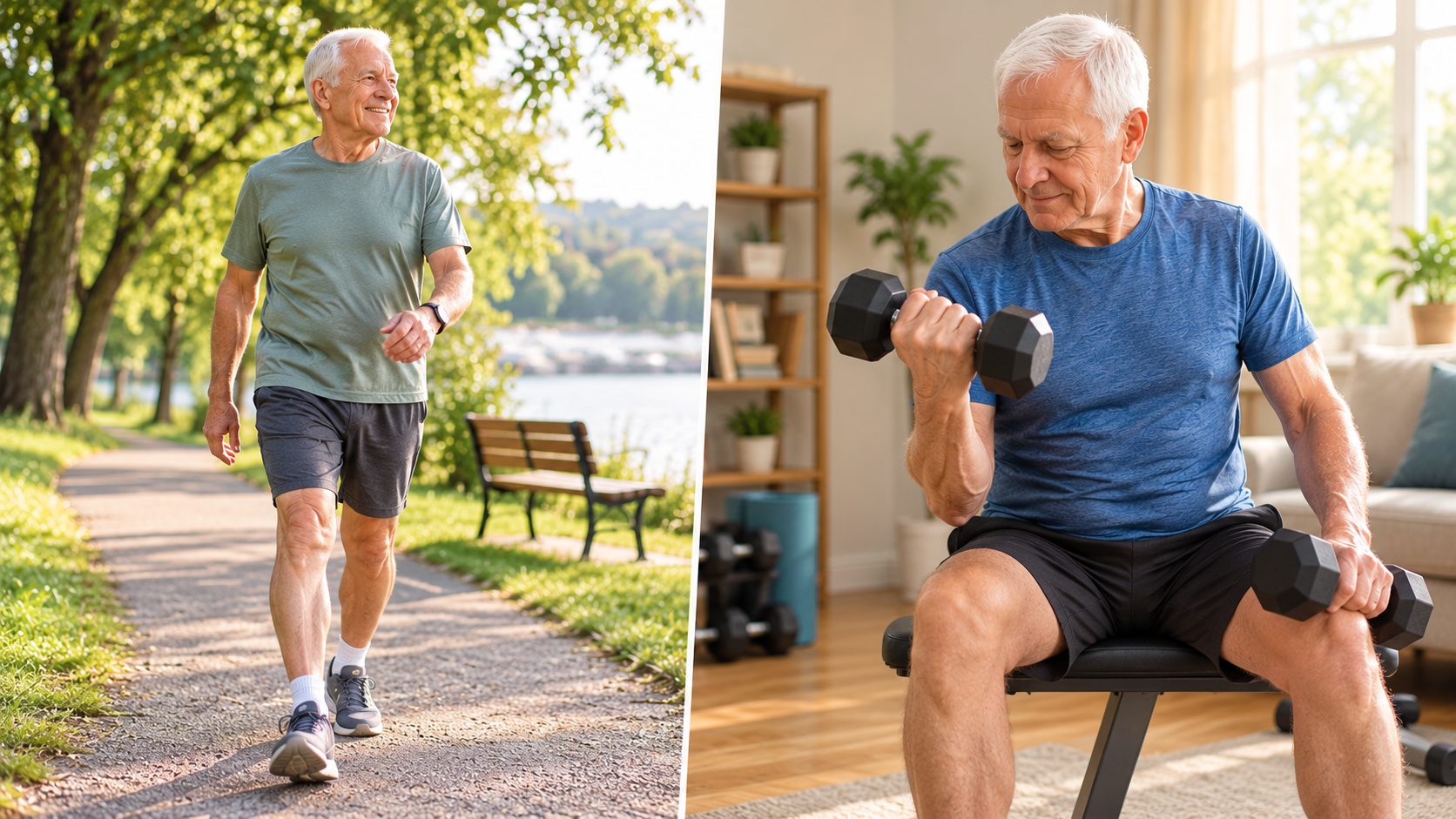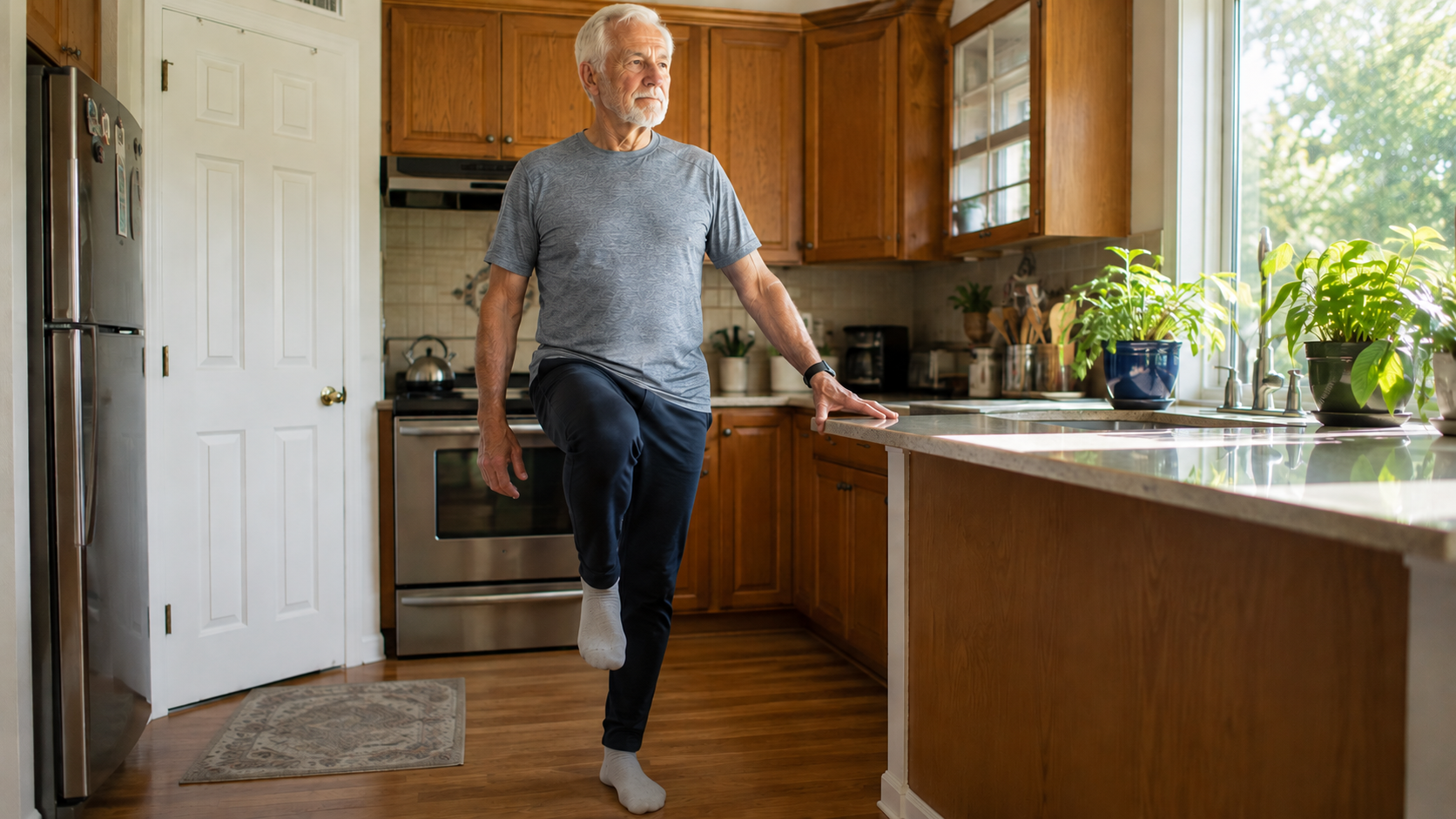
Falls are one of the most significant threats to independence in later life, yet balance is often the most neglected part of a fitness routine, overshadowed by more familiar goals like strength or cardiovascular health. Practicing targeted balance exercises to prevent falls can meaningfully reduce this risk, often producing noticeable improvements in stability and confidence within just a few weeks of consistent practice, even for those who’ve experienced balance concerns for years.
Having worked with seniors navigating exactly this concern, both in professional caregiving settings and within my own family, I’ve seen how much a genuine sense of physical confidence can be restored through simple, consistent balance work. This isn’t about achieving perfect stability — it’s about building enough reserve capacity that everyday stumbles and challenges don’t become genuine falls that could otherwise threaten your independence.
Why Balance Naturally Declines With Age
Balance depends on a complex coordination between your vision, inner ear (vestibular system), and proprioception — your body’s sense of where it is in space, largely governed by sensors in your muscles and joints. All three of these systems can decline gradually with age, sometimes without much conscious awareness until a near-fall or actual fall reveals how much has genuinely changed over time.
Additionally, muscle weakness, particularly in the legs and core, reduces the physical capacity to correct your position quickly when balance is challenged — a stumble that a stronger, more balanced body could easily recover from becomes a genuine fall when supporting muscles aren’t strong enough to respond quickly enough to the sudden shift in position.
The encouraging news is that balance, much like strength and flexibility, responds meaningfully to targeted practice at any age, meaning genuine improvement is available regardless of your current starting point or how long you’ve been experiencing balance concerns, even if it’s been many years since balance felt truly reliable.
Understanding Fear of Falling as Its Own Health Concern
Beyond the physical risk of falling, many seniors develop a genuine fear of falling that can become a health concern in its own right, sometimes leading to reduced activity and social withdrawal as a way to avoid the perceived risk entirely. Ironically, this reduced activity often accelerates the very physical decline that increases fall risk in the first place, creating a difficult, self-reinforcing cycle.
Balance exercises address both sides of this challenge simultaneously — they build genuine physical stability while also rebuilding confidence through direct, positive experience of successfully maintaining and recovering balance. Many people find that as their balance genuinely improves through consistent practice, the fear itself diminishes considerably, allowing a return to activities and movement that fear had previously restricted.
How Vision and Balance Are Connected
Vision plays a larger role in balance than many people realize, providing crucial information about your position relative to your surroundings. Age-related vision changes — reduced depth perception, slower adaptation to lighting changes, or conditions like cataracts — can meaningfully affect balance, sometimes independent of any changes to your muscles or inner ear function.
Regular vision check-ups, updated glasses prescriptions, and addressing conditions like cataracts promptly all support better balance, working alongside the physical exercises outlined in this article rather than as a separate, unrelated health concern entirely disconnected from your overall stability. If you’ve noticed balance changes alongside any vision changes, mentioning both to your eye doctor can help identify whether vision plays a meaningful role in your specific situation.
Single-Leg Stance for Foundational Balance
This foundational exercise directly challenges your balance system and builds the specific stability needed for everyday activities like getting dressed or navigating uneven ground.
How to do it: Stand behind a sturdy chair, holding the back lightly for support. Lift one foot slightly off the ground, balancing on the other leg. Hold for as long as feels comfortable, starting with just a few seconds if needed. Gradually work toward holding for 30 seconds, and eventually toward reducing your reliance on the chair for support as balance improves.
Heel-to-Toe Walk for Dynamic Balance
Unlike standing balance, this exercise challenges your ability to maintain stability while moving, which more closely mirrors the balance demands of actual walking.
How to do it: Stand near a wall or counter for support if needed. Walk in a straight line, placing the heel of one foot directly in front of the toes of the other with each step, as if walking a tightrope. Practice for 10-15 steps, focusing on slow, controlled movement rather than speed.
Weight Shifts for Balance Confidence
This gentle exercise builds comfort with shifting your weight, a skill used constantly throughout daily movement but rarely practiced intentionally.
How to do it: Stand with feet hip-width apart near a sturdy support. Slowly shift your weight onto one foot, lifting the other foot slightly, then shift back to center and repeat on the other side. Continue alternating for 10-12 repetitions on each side, moving slowly and with control.
Standing March for Balance Under Movement
This exercise combines balance with the kind of coordinated movement required for walking, making it particularly functional for everyday stability.
How to do it: Stand near a sturdy support. Lift one knee toward your hip height, hold briefly, then lower it and lift the other knee. Continue alternating for 10-12 repetitions on each side, using the support as needed while building confidence.
Clock Reach for Dynamic Stability
This exercise challenges balance while reaching in different directions, mirroring the kind of reaching movements involved in everyday tasks like retrieving items from shelves or counters.
How to do it: Stand near a sturdy support, imagining you’re standing in the center of a clock face. Holding the support with one hand, reach your free hand toward 12 o’clock, then 3 o’clock, then 6 o’clock, and back to center, moving slowly and with control. Complete a full round, then switch which hand is reaching.
Tandem Stance for Balance Precision
This exercise builds on the heel-to-toe walk by challenging static balance in a narrow stance, similar to what’s required when navigating tight spaces.
How to do it: Stand near a wall for support. Place one foot directly in front of the other, heel touching toes, and hold this position for 15-20 seconds. Switch which foot is in front and repeat.
Sit-to-Stand for Functional Balance
This exercise directly builds the strength and balance coordination needed for one of the most common daily movements — rising from a seated position.
How to do it: Sit toward the front of a sturdy chair with feet flat on the floor. Practice standing up without using your hands for support, if possible, then sitting back down with control. If this feels too challenging initially, use your hands for support and gradually reduce reliance on them as strength and balance improve.
Building a Realistic Balance Practice
A sustainable approach to balance training might include:
- Daily, if possible: A few minutes of single-leg stance or weight shifts, which can even be practiced while brushing your teeth or waiting for water to boil
- 3-4 times per week: A fuller routine covering all the exercises outlined above
- Progression: Gradually reducing reliance on chair or wall support as confidence builds, always prioritizing safety over pushing too quickly toward independence from support
Balance training tends to show meaningful improvement relatively quickly compared to strength training — many people notice increased confidence and stability within just a few weeks of consistent practice, which can be genuinely motivating for continuing the routine long-term and building further momentum toward other health goals as well.
Progressing Your Balance Practice Over Time
As balance improves through consistent practice, it’s worth gradually increasing the challenge to continue building capacity rather than staying at the same beginner level indefinitely. This might mean reducing reliance on support, closing your eyes briefly during single-leg stance (only once you feel confident and ideally near a wall for safety), or adding gentle head turns while maintaining balance, which challenges your vestibular system in a way that static balance alone doesn’t address.
This progression should happen gradually, over weeks and months, rather than rushing toward more challenging variations before genuine confidence and stability have been established at the current level. There’s no rush — steady, consistent progress tends to produce more lasting improvement than pushing too quickly toward advanced variations before your body is genuinely ready for them.
Making Your Home Environment Support Better Balance
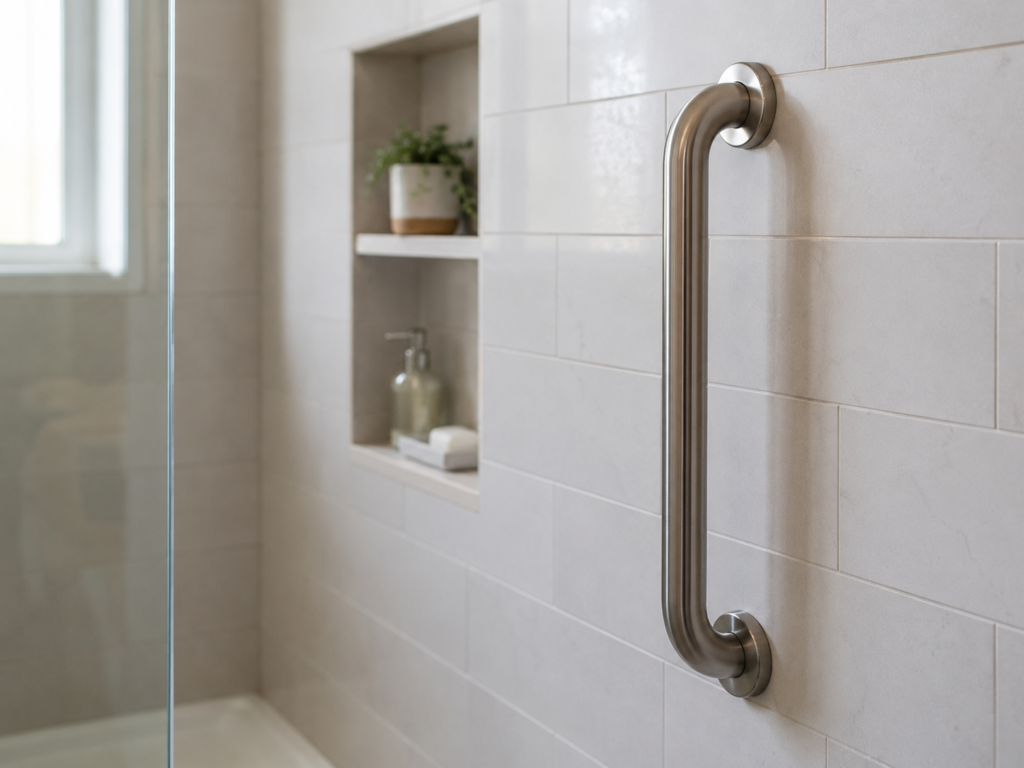
Beyond exercise, several home modifications can meaningfully reduce fall risk alongside a regular balance practice:
- Removing loose rugs or securing them with non-slip backing
- Improving lighting in hallways, stairways, and entryways
- Installing grab bars in bathrooms, particularly near the toilet and shower
- Keeping frequently used items within easy reach, avoiding the need to stretch or climb for access
- Wearing supportive, well-fitting footwear rather than loose slippers
Combining a consistent balance practice with these environmental adjustments provides more comprehensive fall prevention than either approach alone, addressing both the body’s capabilities and the surrounding environment together.
When Balance Concerns Need Professional Evaluation
While the exercises in this article are generally safe for most seniors, certain situations warrant professional evaluation before beginning independent balance practice, including recent falls, dizziness or vertigo, significant vision changes, or a diagnosed condition affecting the inner ear or nervous system. A physical therapist can provide a personalized assessment and routine specifically tailored to your particular balance challenges, which may address underlying causes that general exercise alone cannot fully resolve or identify on its own.
For a complementary strength routine that supports the muscles used in balance, our article on best exercises for seniors at home covers simple, equipment-free strength exercises that pair well with the balance work outlined here.
According to the National Institute on Aging, balance exercises are among the most effective interventions for reducing fall risk in older adults, and even simple, regularly practiced exercises like those outlined here can produce meaningful, measurable improvement in stability over time, regardless of age or how long balance has been a concern.
Frequently Asked Questions
How quickly can I expect to see improvement in my balance? Many people notice increased confidence and stability within 2-4 weeks of consistent practice, though continued improvement often continues over several months of regular exercise, with some studies showing meaningful gains continuing well beyond the initial adjustment period.
Is it normal to feel wobbly when starting balance exercises? Yes, particularly for those who haven’t practiced balance intentionally in some time. Using support initially and gradually reducing reliance on it as confidence builds is a normal, appropriate progression, and there’s no need to rush toward independence from support before you feel genuinely ready.
Can balance exercises help even if I’ve already had a fall? Yes — balance exercises are often specifically recommended after a fall to help rebuild confidence and reduce the risk of future falls, though it’s worth discussing your specific situation with a doctor or physical therapist first, particularly if the fall resulted in injury or if you’re unsure what caused it.
Do I need any special equipment for balance exercises? No — all of the exercises described here require only a sturdy chair or wall for support, making them accessible without any special equipment or financial investment, and they can be practiced in nearly any room of your home.
Conclusion
Balance exercises to prevent falls offer one of the most direct, effective ways to protect independence and confidence in daily movement. Practicing simple exercises like single-leg stance, heel-to-toe walking, and sit-to-stand transitions, combined with supportive home modifications, can meaningfully reduce fall risk and restore a genuine sense of physical confidence, regardless of your current starting point or how long balance concerns have been part of your daily experience.
Disclaimer: This article is intended for general informational and educational purposes only and does not constitute medical advice. Please consult your doctor or a physical therapist before beginning any new exercise routine, especially if you have a history of falls, dizziness, or existing health conditions affecting balance.