Just as physical exercise keeps muscles strong, mental exercise plays a genuine role in supporting cognitive function throughout aging. Understanding the best brain exercises for seniors means looking beyond generic puzzle books toward activities with real, research-supported benefit for memory, processing speed, and overall cognitive resilience across the years ahead.
Having worked with seniors across a wide range of cognitive backgrounds, I’ve seen how much engaging, appropriately challenging mental activity can support genuine confidence and function, particularly when approached as an enjoyable part of daily life rather than a chore.
What Makes a Brain Exercise Genuinely Effective
Not all mental activities offer equal cognitive benefit. Research suggests that genuinely effective brain exercises share a few key qualities: they involve genuine novelty rather than repeating already-mastered skills, they progressively increase in difficulty as competence grows, and they engage multiple cognitive domains — memory, attention, processing speed, problem-solving — rather than narrowly targeting just one.
This explains why learning an entirely new skill often provides more cognitive benefit than repeating a familiar crossword puzzle style you’ve done for years, even though the crossword still offers some value. The brain responds most robustly to genuine challenge and novelty, not simply staying “active” in a familiar, comfortable way.
Why Difficulty Level Matters So Much
An important, often overlooked principle in cognitive exercise is that activities need to remain appropriately challenging to continue providing benefit. An activity that felt difficult when first attempted but has since become easy and automatic provides progressively less cognitive stimulation over time, even though it may still feel mentally engaging in a general sense.
This means genuinely effective brain exercise requires periodically increasing difficulty or introducing new challenges, rather than settling into a comfortable routine with a single activity indefinitely. Chess players might seek stronger opponents as their skill grows; language learners might progress from basic vocabulary to more complex conversation; instrument players might tackle more challenging pieces as technical skill develops. This ongoing progression, rather than any single activity itself, is what sustains long-term cognitive benefit.
Balancing Challenge With Enjoyment
While appropriate challenge matters for cognitive benefit, activities that feel purely frustrating rather than engagingly difficult tend to be abandoned quickly, undermining the consistency that actually produces lasting benefit. Finding activities that sit in a sweet spot — challenging enough to require genuine effort, but still enjoyable enough to sustain motivation — tends to produce the best long-term outcomes.
This balance looks different for everyone, which is part of why the wide variety of options discussed throughout this article matters. Someone who finds language learning tedious might find genuine engagement and appropriate challenge in strategic games instead, while someone uninterested in games might find that same balance in learning an instrument or pursuing creative activities.
Learning a New Language
Learning a new language engages memory, attention, auditory processing, and even motor skills involved in speech production, making it one of the most comprehensively demanding cognitive activities available. Research has specifically linked bilingualism and language learning later in life to measurable cognitive benefits, including some evidence of delayed onset of dementia symptoms among those who speak multiple languages.
Getting started: Language learning apps designed for beginners, community language classes, or simply practicing with a native speaker friend or family member all provide accessible starting points, regardless of your current language background.
Playing a Musical Instrument
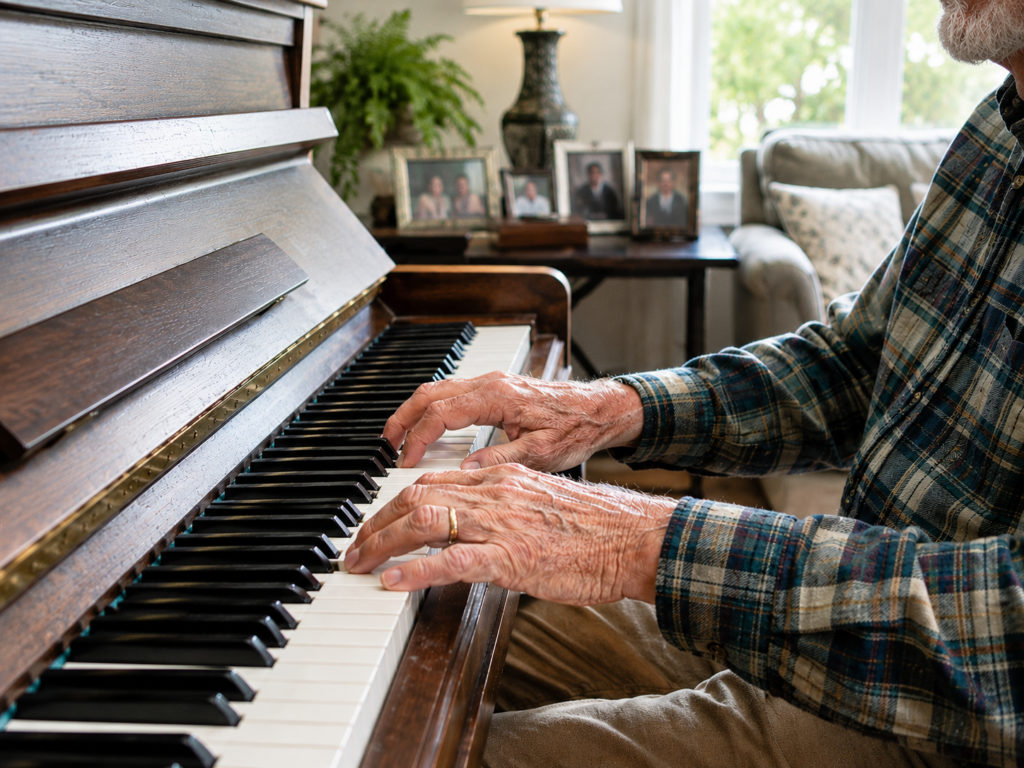
Learning or returning to a musical instrument engages memory, fine motor coordination, auditory processing, and pattern recognition simultaneously, offering a uniquely comprehensive cognitive workout. Studies on musicians, including those who began learning later in life, have shown structural brain differences associated with this kind of sustained musical engagement.
Getting started: Many community centers and music schools offer beginner lessons specifically welcoming to older adults. Even simple instruments like ukulele or harmonica, which have gentler learning curves than piano or violin, provide genuine cognitive engagement.
Overcoming the “I’m Not Good at This” Barrier
A common obstacle to trying new cognitive activities, particularly for older adults, is the discomfort of being a genuine beginner at something after decades of competence in familiar areas of life. This discomfort is understandable, but it’s worth recognizing as a normal, temporary part of learning anything new, rather than a sign that the activity isn’t right for you or that it’s somehow too late to develop new skills.
Many people find that reframing the goal — from “becoming skilled” to “genuinely engaging with something new and challenging” — reduces this pressure considerably. The cognitive benefit comes from the engagement and challenge itself, not from eventual mastery, meaning even a beginner who never becomes particularly skilled at chess or piano still receives genuine cognitive benefit from the ongoing effort and engagement involved in learning.
How Long Before You Notice a Difference
Cognitive benefits from mental exercise tend to develop gradually rather than producing immediate, dramatic change, similar to how physical fitness improves incrementally rather than overnight. Many people report subjective improvements in mental clarity and confidence within a few weeks of consistent engagement with a genuinely challenging activity, though more measurable cognitive changes, where they occur, typically develop over months of sustained practice.
This gradual timeline is worth keeping in mind to avoid discouragement during the early weeks of a new cognitive activity, when the primary experience may simply be the ordinary frustration and effort of learning something unfamiliar, before the activity starts to feel more natural and its benefits become more apparent in daily life.
Making Brain Exercise Social When Possible
Many of the most effective brain exercises also happen to naturally combine with social engagement — game groups, book clubs, group classes for language or art. This combination provides a genuine efficiency advantage, since social connection itself offers protective cognitive benefit, meaning these combined activities essentially provide two evidence-based cognitive health strategies simultaneously, in the time it would otherwise take for just one.
Where possible, prioritizing the social versions of these activities over purely solitary alternatives — a group class over a solo online course, playing chess with a partner over solving puzzles alone — tends to provide more comprehensive benefit and often proves more sustainable over time, since the social accountability and enjoyment of shared activity supports consistent long-term engagement.
Strategic Games That Challenge Multiple Skills
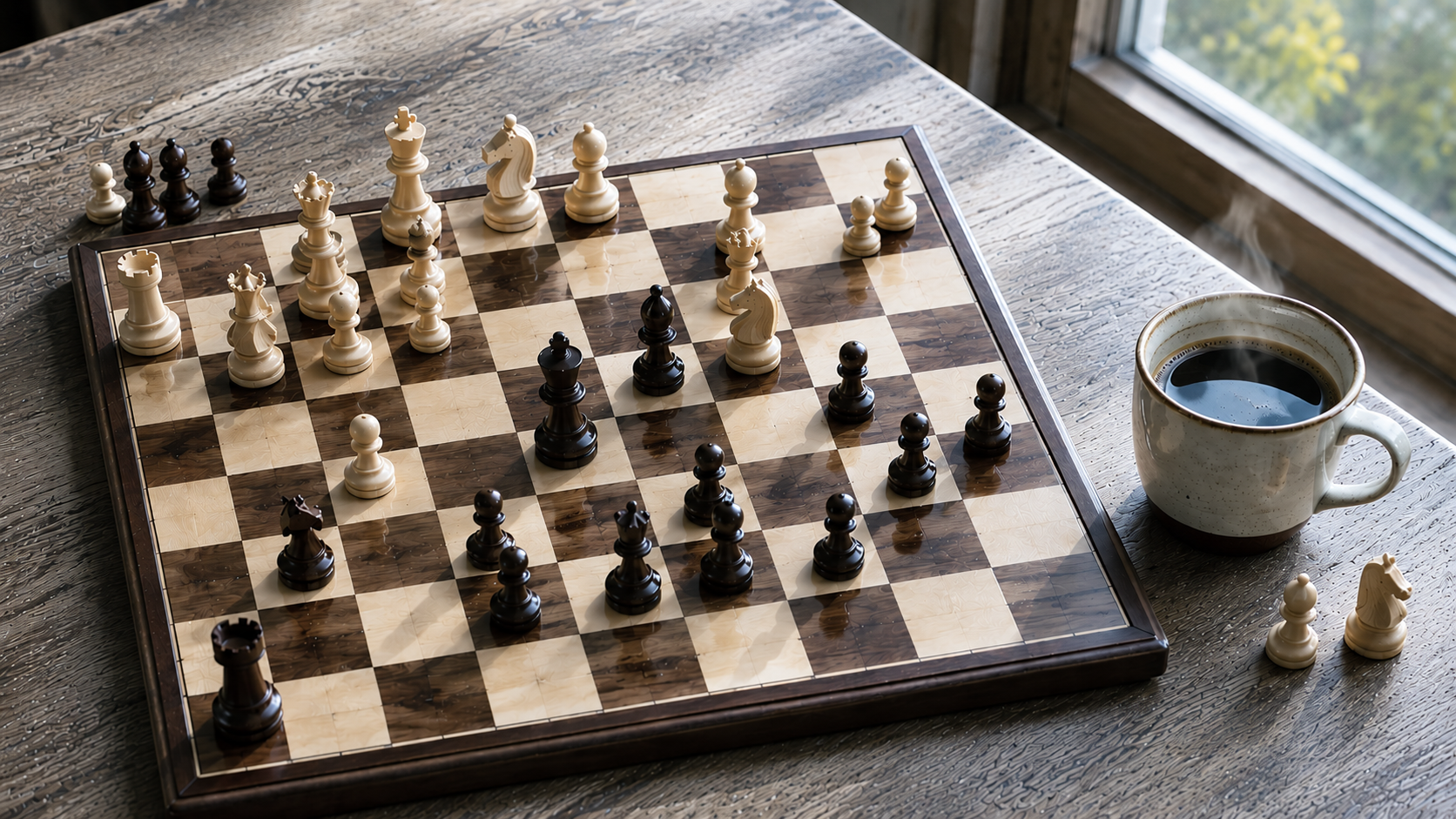
Games requiring strategic thinking, planning, and adaptation — chess, bridge, strategy-based board games — engage executive function in ways that simpler games often don’t. The key benefit comes from the strategic complexity itself, requiring players to plan ahead, adapt to opponents’ choices, and hold multiple possibilities in mind simultaneously.
Getting started: Local senior centers often host regular game groups for chess or bridge, providing both cognitive engagement and social connection simultaneously. Online platforms also offer opportunities to play against others remotely if in-person groups aren’t accessible.
Learning to Use New Technology
While often approached with hesitation, learning new technology — a new phone, a new app, video calling platforms — provides genuine cognitive challenge through problem-solving, memory for new procedures, and adapting to unfamiliar interfaces. This challenge, while sometimes frustrating in the moment, offers real cognitive benefit precisely because it requires genuine adaptation to something unfamiliar.
Getting started: Many libraries and senior centers offer technology classes specifically designed for older adults, providing patient, structured instruction that can make this learning curve considerably less frustrating than figuring it out entirely alone.
Creative Activities That Engage Multiple Senses
Activities like painting, drawing, pottery, or creative writing engage visual-spatial processing, fine motor skills, and often memory and language simultaneously, depending on the specific activity. These activities also tend to be inherently enjoyable for many people, supporting the kind of sustained engagement that produces genuine long-term cognitive benefit.
Getting started: Community art classes, online tutorials, or simply beginning with basic supplies at home all provide accessible entry points, with no prior experience required to begin experiencing genuine cognitive benefit.
Puzzles and Brain Teasers, Used Strategically
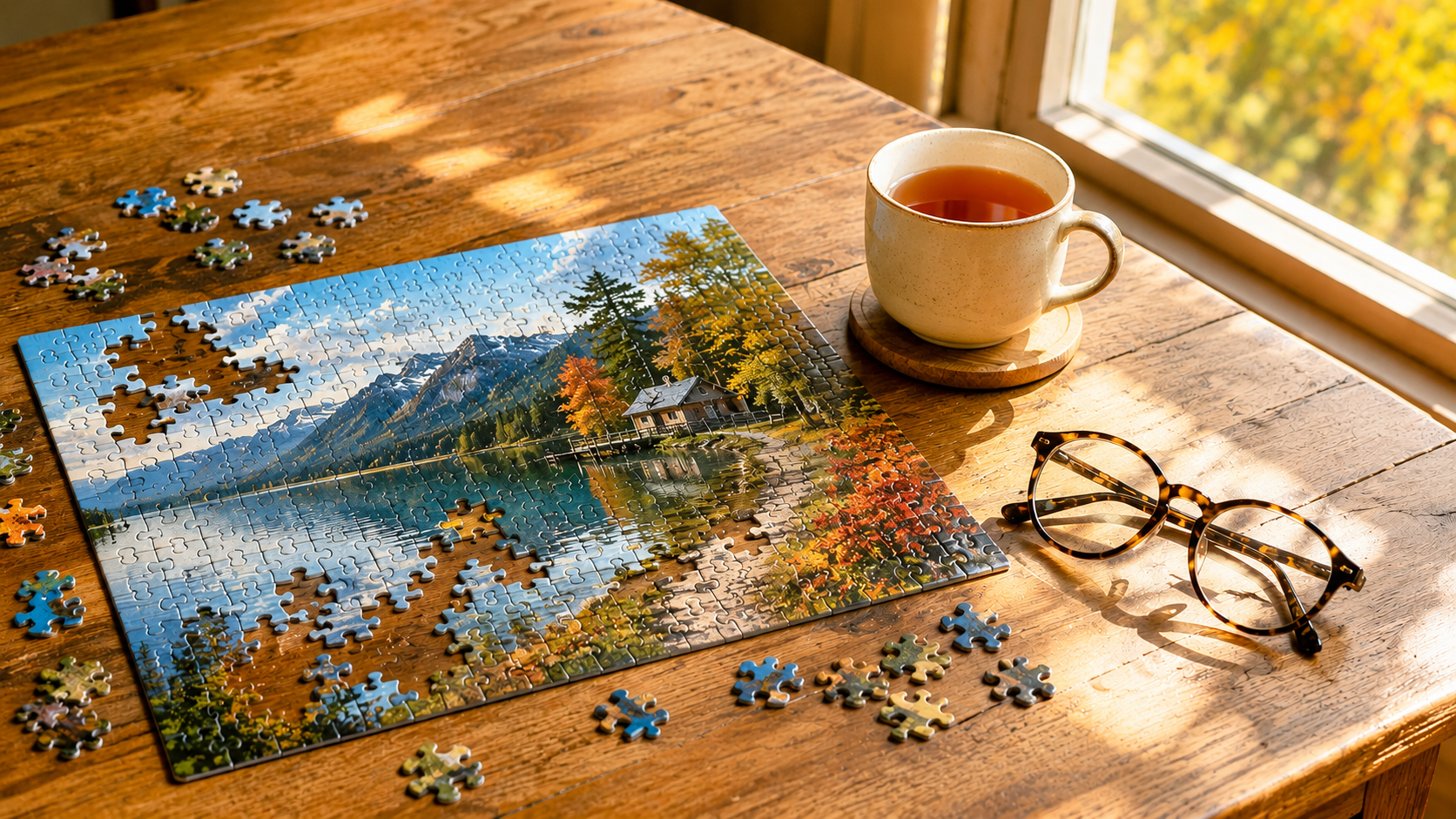
Crosswords, sudoku, jigsaw puzzles, and similar activities do offer some cognitive benefit, particularly for specific skills like vocabulary (crosswords) or spatial reasoning (jigsaw puzzles). However, their benefit tends to plateau once you become highly practiced at a specific puzzle type, since the novelty and challenge diminish with repeated mastery.
Getting the most benefit: Regularly varying puzzle types, gradually increasing difficulty level, and combining puzzles with other more novel activities discussed throughout this article tends to provide more comprehensive benefit than relying on puzzles as your sole cognitive exercise strategy.
Reading Widely and Actively
Reading engages language processing, memory, and imagination, with particular benefit coming from actively engaging with material — discussing it with others, taking notes, or reflecting on it — rather than passive consumption alone. Varying genres and reading material also provides more comprehensive benefit than sticking exclusively to familiar, comfortable material.
Getting started: Book clubs provide both the cognitive benefit of active reading engagement and the social connection benefit discussed elsewhere as protective for cognitive health, making them a particularly efficient way to combine multiple beneficial strategies simultaneously.
Building a Realistic Brain Exercise Routine
Rather than treating brain exercise as a separate, dedicated task, integrating genuinely engaging mental activities into daily life tends to produce better long-term consistency:
- Daily: Even 15-20 minutes of engaged reading, a language learning app session, or a strategic puzzle
- Weekly: A dedicated activity like a music lesson, art class, or game group that combines cognitive challenge with social connection
- Ongoing: Periodically introducing genuinely new activities rather than only deepening existing familiar ones, to continue providing the novelty that drives cognitive benefit
The most sustainable approach tends to be choosing activities you find genuinely enjoyable, since consistency over years matters far more than any single session’s intensity or difficulty.
Combining Brain Exercise With Other Cognitive Health Strategies
While mental exercise offers genuine benefit, research consistently shows it works best in combination with other cognitive health strategies — physical exercise, quality sleep, social engagement, and management of chronic health conditions — rather than as a standalone intervention. For a broader look at these complementary strategies, our article on how to keep your memory sharp covers the fuller picture of evidence-based cognitive health support.
According to the National Institute on Aging, engaging in mentally stimulating activities, particularly novel and challenging ones, appears to support cognitive health as part of a broader pattern of healthy lifestyle habits.
Frequently Asked Questions
Which brain exercise provides the most benefit? No single activity stands out as definitively best — research suggests variety and genuine novelty matter more than any specific activity, meaning the “best” exercise is often simply the one that provides genuine ongoing challenge and that you’ll actually engage with consistently.
Is it too late to learn a new skill for cognitive benefit? No — research consistently shows cognitive benefits from learning new skills at any age, including well into a person’s 70s, 80s, and beyond, regardless of prior experience with the specific skill being learned.
How much time should I spend on brain exercises each day? There’s no strict requirement, but many experts suggest at least 15-30 minutes of genuinely engaging mental activity most days, though quality and genuine engagement matter more than any specific time target.
Can brain exercises reverse existing cognitive decline? Brain exercises don’t reverse existing decline, but research suggests they can help maintain function and potentially slow further decline, working best as part of a comprehensive approach to cognitive health rather than as a standalone treatment on their own.
Conclusion
The best brain exercises for seniors share common qualities — genuine novelty, progressive challenge, and engagement across multiple cognitive domains. Whether through learning a language, playing music, strategic games, or creative pursuits, consistent engagement with genuinely challenging, enjoyable mental activity supports meaningful cognitive resilience throughout the aging process, particularly when combined with the social connection that many of these activities naturally provide.
Disclaimer: This article is intended for general informational and educational purposes only and does not constitute medical advice. Please consult your doctor if you have concerns about memory or cognitive changes that interfere with daily functioning.