Dehydration is one of the most common, yet frequently overlooked, health concerns among older adults, contributing to everything from fatigue and confusion to more serious complications requiring hospitalization. Understanding practical hydration tips for seniors can help prevent this surprisingly common issue, which often develops quietly, without the obvious thirst signal that would prompt action in younger adults.
Having worked with seniors where dehydration was mistaken for other health concerns, sometimes significantly affecting cognitive function and energy before being properly identified, I want to walk through why this risk increases with age and practical strategies for staying genuinely well-hydrated.
Why Dehydration Risk Increases With Age
Several physiological changes converge to make dehydration more common and more consequential in older adults. Thirst sensation naturally becomes less reliable with age, meaning the body’s usual signal to drink water doesn’t work as effectively, allowing genuine dehydration to develop before thirst prompts action. Kidney function also changes somewhat with age, affecting the body’s ability to conserve water as efficiently as it did in younger years.
Additionally, many common medications — diuretics, certain blood pressure medications, and others — increase fluid loss, while mobility limitations can make it physically harder to access water regularly throughout the day, particularly for those who live alone or have difficulty getting up frequently.
Recognizing the Signs of Dehydration
Dehydration symptoms can be subtle, especially in early stages, making awareness of specific signs particularly important:
Early signs include fatigue, dry mouth, reduced urine output or darker urine color, and mild headache.
More significant signs include confusion or difficulty concentrating, dizziness, rapid heartbeat, and in more severe cases, significant disorientation that can sometimes be mistaken for cognitive decline or other conditions entirely unrelated to hydration status.
This last point deserves particular emphasis — dehydration-related confusion in older adults is sometimes misattributed to dementia or other cognitive conditions, when addressing hydration directly resolves the confusion entirely, making this an important, often overlooked possibility to consider.
How Dehydration Affects the Body Beyond Just Thirst
Beyond the more commonly discussed symptoms, dehydration affects nearly every body system in ways that aren’t always immediately connected back to fluid status. It can contribute to constipation, since adequate water is essential for healthy digestion. It can affect blood pressure regulation, sometimes contributing to the dizziness experienced when standing up too quickly. It can even affect kidney function over time, since kidneys require adequate fluid to effectively filter waste from the bloodstream.
Understanding this broader impact helps explain why hydration deserves more attention than it typically receives — it’s not simply about avoiding thirst, but about supporting the basic function of nearly every organ system, making consistent attention to fluid intake one of the more foundational, if underappreciated, health habits available at any age, but particularly significant given the increased risks discussed throughout this article for older adults specifically.
The Connection Between Dehydration and Fall Risk
An often-overlooked connection exists between hydration status and fall risk, since dehydration can contribute to the dizziness and lightheadedness that significantly increase the likelihood of a fall, particularly when standing up after sitting or lying down for an extended period. This connection adds another meaningful reason to prioritize consistent hydration beyond general wellbeing — it directly supports the kind of stable, reliable balance that protects against one of the most significant risks to independence in later life.
For those already managing balance concerns or a history of falls, ensuring adequate hydration represents one additional, genuinely actionable factor worth addressing alongside the more commonly discussed balance exercises and home safety modifications covered in our other articles on fall prevention.
Practical Strategies for Staying Hydrated
Keep Water Visible and Accessible
Since thirst becomes an unreliable cue with age, removing the reliance on feeling thirsty matters considerably. Keeping a water bottle or glass visible in your usual sitting area, rather than needing to remember to go get water, supports more consistent intake throughout the day.
Why it works: Visual reminders and reduced physical effort to access water both support the habit of regular drinking without depending on a thirst signal that may not reliably prompt action.
Set Specific Hydration Checkpoints
Rather than trying to drink water only when thirsty, establishing specific times throughout the day — upon waking, with each meal, mid-morning, mid-afternoon — provides structure that doesn’t depend on unreliable internal cues.
Why it works: This removes the guesswork and reliance on thirst sensation, replacing it with a more consistent, predictable pattern that ensures regular intake throughout the entire day rather than sporadic drinking.
Incorporate Water-Rich Foods
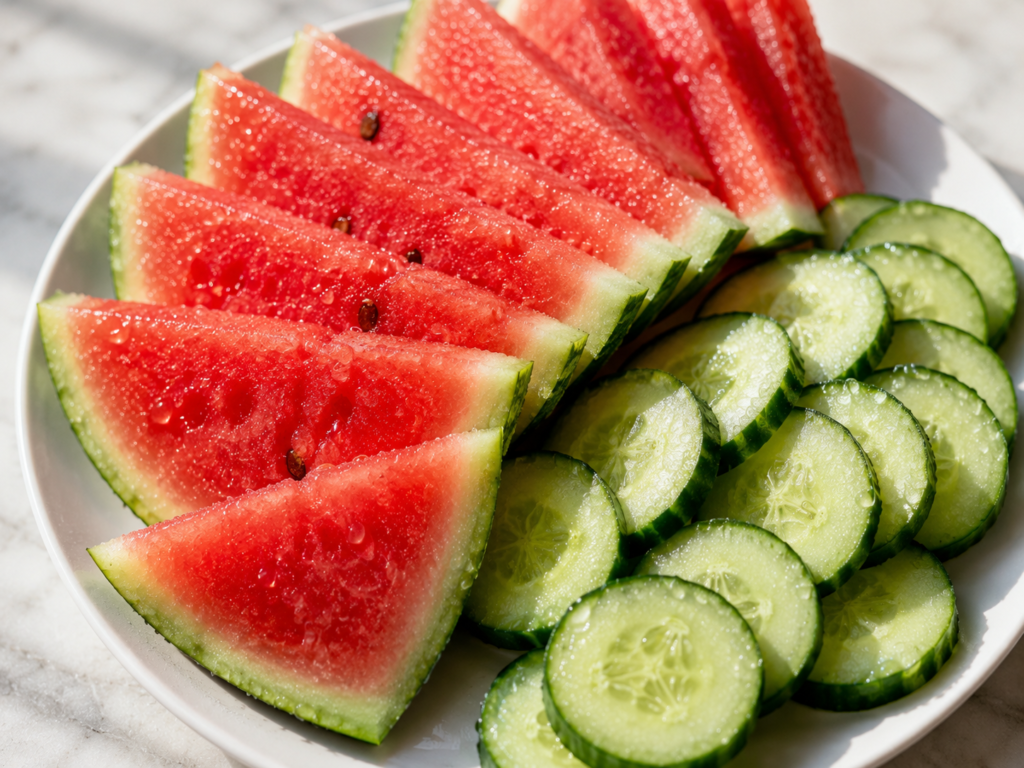
Foods with high water content — watermelon, cucumbers, soups, and other water-rich fruits and vegetables — contribute meaningfully to overall hydration alongside directly drinking water.
Why it works: For those who struggle to drink large volumes of water directly, water-rich foods provide an additional pathway to meeting hydration needs without requiring as much direct beverage consumption.
Choose Hydrating Beverages Beyond Plain Water
While water remains the primary hydration source, herbal teas, diluted juice, and milk all contribute to overall fluid intake, offering variety for those who find plain water unappealing or difficult to drink consistently.
Why it works: Variety in hydrating beverages can make meeting daily fluid targets feel less monotonous, supporting better overall consistency than relying exclusively on plain water alone.
Address Practical Barriers Directly
If mobility limitations, difficulty opening bottles, or simply forgetting are genuine barriers, addressing these specific obstacles directly — lightweight cups, water bottles with easy-grip designs, or phone reminders — can meaningfully improve consistency.
Why it works: Identifying and removing your specific practical barriers tends to be more effective than general encouragement to “drink more water” without addressing what’s actually preventing consistent intake in your particular situation.
Involving Family in Hydration Awareness
For seniors living alone, family members or regular visitors can play a meaningful supportive role in hydration awareness, since an outside perspective sometimes catches patterns the person experiencing them might not notice themselves. A family member noticing consistently dark urine color mentioned in conversation, or observing signs of confusion that improve after encouraging fluid intake, can provide valuable early awareness before dehydration becomes more significant.
This doesn’t require constant monitoring or an uncomfortable level of oversight — simply keeping hydration in mind as one of several wellbeing factors worth gently checking in on during regular visits or calls, alongside the other observations discussed in our articles on recognizing when an aging parent may need additional support, can provide a meaningful layer of protection against this often-overlooked risk.
Understanding How Much Water You Actually Need
General guidelines suggest roughly 6-8 cups of fluid daily for most older adults, though individual needs vary based on activity level, climate, certain health conditions, and specific medications. Those with heart failure or kidney disease may have different, sometimes more restrictive, fluid guidelines, making it worth discussing your specific target with your doctor rather than relying solely on general population recommendations.
A simple practical check: pale yellow urine generally indicates adequate hydration, while dark yellow suggests increased fluid intake would be beneficial, providing an easy, ongoing way to monitor your hydration status without requiring precise measurement of every beverage consumed.
Hydration Tools Worth Considering
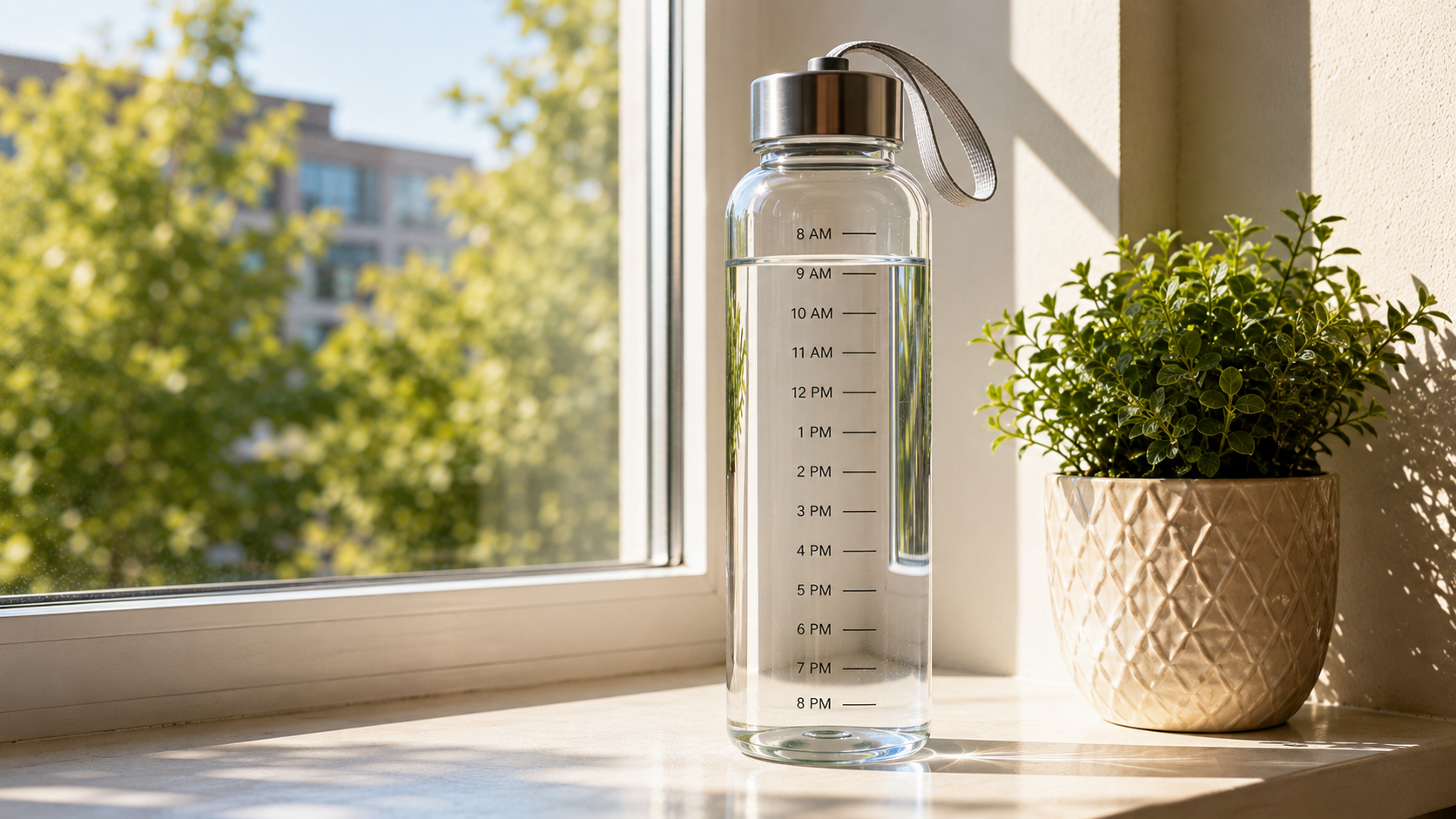
Beyond behavioral strategies, a few practical tools can meaningfully support consistent hydration. Marked water bottles, showing hourly targets throughout the day, provide a visual, tangible way to track progress without requiring mental math or memory. Hydration tracking apps offer similar benefit for those comfortable with smartphone technology, sometimes including reminder notifications throughout the day. For those managing multiple daily medications, a simple habit of taking a full glass of water with each dose — rather than just a small sip — naturally builds several hydration checkpoints into an already-established daily routine.
These tools don’t need to be elaborate or expensive to be effective — sometimes the simplest options, like a favorite glass kept consistently visible on the kitchen counter, provide just as much practical benefit as more sophisticated tracking systems, since the goal is building a sustainable habit rather than achieving perfect precision in fluid measurement.
Recognizing When Dehydration Requires Prompt Medical Attention
While most hydration concerns can be addressed through the practical strategies discussed throughout this article, certain situations warrant prompt medical attention rather than simply increasing fluid intake at home, including severe confusion, inability to keep fluids down due to vomiting, very rapid heart rate, or significant dizziness that doesn’t improve with rest and fluid intake. These more severe presentations can indicate dehydration has progressed to a point requiring intravenous fluid replacement and medical monitoring, rather than something that can be adequately addressed through increased oral fluid intake alone.
Recognizing this distinction — between everyday hydration maintenance and a genuine medical emergency — helps ensure appropriate, timely response when dehydration has progressed beyond what home-based strategies can effectively address, particularly important given how quickly severe dehydration can develop in older adults compared to younger, otherwise healthy individuals.
When Medications Affect Hydration Needs
Certain medications specifically increase fluid needs or affect how the body manages water balance, making medication review relevant to hydration planning. Diuretics, in particular, increase fluid loss through urine, sometimes requiring more deliberate attention to fluid replacement. Discussing your specific medications with your doctor or pharmacist can clarify whether any current prescriptions affect your particular hydration needs.
Hydration During Illness or Hot Weather
Both illness (particularly with fever, vomiting, or diarrhea) and hot weather significantly increase fluid needs and dehydration risk, making extra attention to hydration particularly important during these periods. Proactively increasing fluid intake during these higher-risk times, rather than waiting for symptoms to develop, provides more effective prevention than reactive hydration once dehydration has already begun.
For a broader look at daily habits supporting overall health, our article on 10 daily habits that help you stay healthy after 60 covers additional strategies that work alongside consistent hydration.
According to the National Institute on Aging, older adults face increased dehydration risk due to physiological changes affecting thirst and kidney function, making proactive hydration habits particularly important for this population.
Frequently Asked Questions
How do I know if I’m drinking enough water? Monitoring urine color (pale yellow generally indicates good hydration) provides a simple, ongoing check, though individual needs vary, making a conversation with your doctor helpful for establishing a personalized target.
Can drinking too much water be harmful? For most healthy older adults, this is uncommon, though those with certain heart or kidney conditions may have specific fluid restrictions worth discussing with their doctor rather than assuming more water is always better.
Does coffee or tea count toward hydration, or does caffeine cause dehydration? Moderate caffeine consumption doesn’t cause significant dehydration for most people, and beverages like coffee and tea do contribute to overall fluid intake, despite their mild diuretic effect, meaning they can reasonably count toward your daily fluid goals rather than needing to be offset with additional plain water.
What if I have trouble drinking enough water due to frequent urination concerns? This is a common, legitimate concern, particularly at night. Discussing timing strategies with your doctor — like reducing fluids a few hours before bed while maintaining adequate daytime intake — can help balance hydration needs with this practical concern without simply avoiding fluids altogether out of frustration.
Conclusion
Hydration tips for seniors matter because dehydration risk genuinely increases with age, often developing quietly without the reliable thirst signal that prompts action in younger adults. Building consistent habits — visible water access, structured hydration checkpoints, and water-rich foods — offers practical, effective protection against this common, sometimes serious, but genuinely preventable health concern.
Making Hydration an Automatic Part of Your Day
The most effective hydration strategy is ultimately the one that becomes automatic rather than requiring ongoing conscious effort and willpower. Attaching hydration habits to existing daily routines — a glass of water with each medication dose, a cup of tea during a favorite television program — tends to build lasting consistency more effectively than relying on remembering to drink water as a standalone, separate task throughout an already busy day.
Disclaimer: This article is intended for general informational and educational purposes only and does not constitute medical advice. Please consult your doctor regarding your specific fluid needs, especially if you have heart, kidney, or other conditions that may affect fluid recommendations.