
Turning 60 doesn’t mean slowing down — it means being a little more intentional about the habits that keep your body and mind working well for the years ahead. The good news is that staying healthy after 60 doesn’t require a dramatic lifestyle overhaul. It’s usually the small, consistent daily habits that make the biggest difference over time.
As someone who has spent years working directly with seniors — both professionally and in caring for my own aging parents — I’ve seen firsthand how much these small daily choices add up. The people who tend to feel their best in their 60s, 70s, and beyond aren’t necessarily the ones who follow the strictest routines. They’re the ones who’ve built a handful of sustainable habits into their everyday lives.
Here are 10 daily habits that genuinely help you stay healthy after 60, without requiring perfection.
1. Start the Day With Movement, Even a Little
You don’t need an intense workout first thing in the morning. Even five to ten minutes of gentle stretching, a short walk, or some light range-of-motion exercises can wake up your joints, improve circulation, and set a more energized tone for the rest of the day.
Movement first thing in the morning also tends to reduce stiffness that builds up overnight, making the rest of your daily activities feel easier.
2. Prioritize Protein at Breakfast
Many people default to carbohydrate-heavy breakfasts — toast, cereal, pastries — but protein plays a critical role in maintaining muscle mass as we age, a process that naturally slows down without enough dietary support.
Eggs, Greek yogurt, cottage cheese, or a small serving of nuts alongside your usual breakfast can help preserve strength and keep you feeling fuller for longer, reducing the mid-morning energy crash many people experience.
3. Stay Hydrated Throughout the Day
Thirst signals often become less reliable as we age, which means many older adults are mildly dehydrated without realizing it. This can contribute to fatigue, dizziness, and even confusion in some cases.
A simple habit that helps: keep a water bottle within sight throughout the day, rather than relying on feeling thirsty as your cue to drink. Herbal teas and water-rich foods like fruits and soups count toward your daily intake too.
4. Take a Walk After Meals
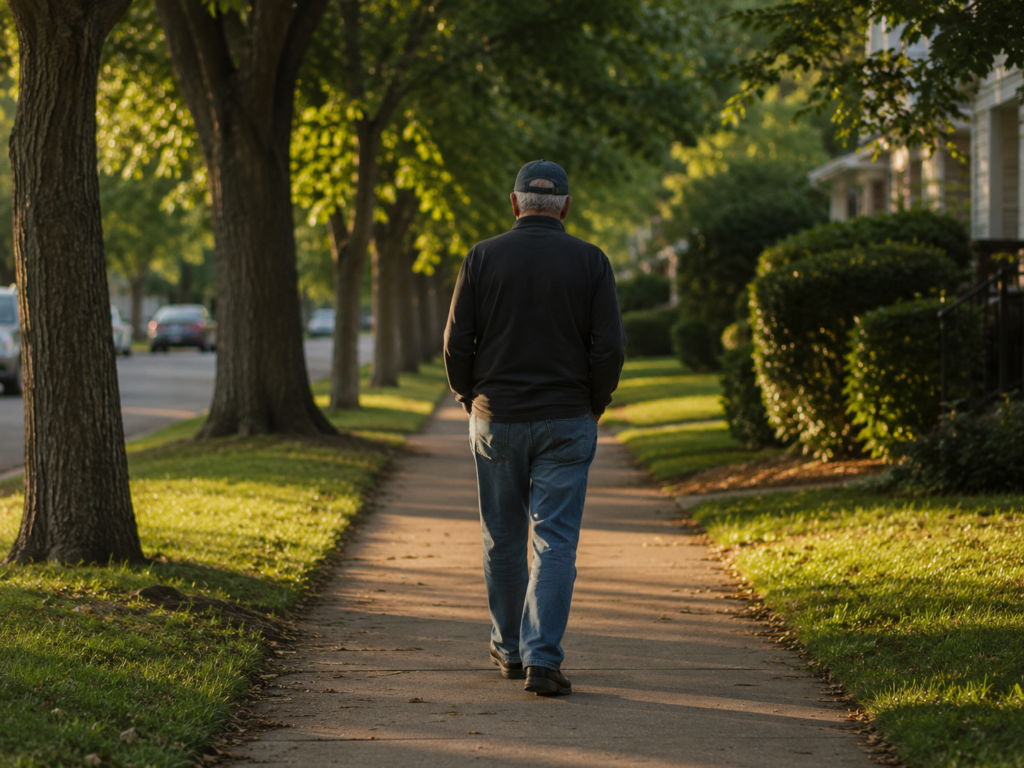
A short walk after eating — even just 10 to 15 minutes — has been shown to help regulate blood sugar levels and support digestion. It’s a simple habit that fits naturally into most daily routines and doesn’t require any special equipment or planning.
5. Keep a Consistent Sleep Schedule
Going to bed and waking up at roughly the same time each day helps regulate your body’s internal clock, which tends to become more sensitive to disruption with age. Consistent sleep supports memory, mood, immune function, and overall energy levels far more than most people realize.
If falling asleep has become harder, keeping the bedroom cool, dark, and free of screens in the hour before bed can make a meaningful difference.
6. Do Something That Challenges Your Mind
Just as muscles need regular use to stay strong, so does your brain. Reading, puzzles, learning a new skill, or even engaging in a stimulating conversation all help keep cognitive function sharp.
The specific activity matters less than the consistency — a daily habit of mental engagement, even for just 15-20 minutes, tends to be more protective over time than occasional intense mental workouts.
7. Get Outside for Natural Light
Spending time outdoors, even briefly, supports vitamin D production, helps regulate your sleep-wake cycle, and has been linked to improved mood. A short walk outside, sitting on a porch with morning coffee, or tending to a garden all count.
This habit becomes especially important during darker winter months, when natural light exposure drops significantly for most people.
8. Practice Balance Exercises Daily
Falls are one of the most significant risks to independence as we age, and balance tends to decline gradually without anyone noticing until a fall actually happens. Simple daily balance practices — standing on one foot while brushing your teeth, or practicing heel-to-toe walking — can meaningfully reduce fall risk over time.
9. Stay Connected With Others
Social connection is often overlooked as a health habit, but loneliness and isolation are linked to real physical health consequences, including increased risk of heart disease and cognitive decline. A daily habit of reaching out to a friend, family member, or neighbor — even briefly — supports both mental and physical wellbeing.
10. Take a Moment for Gratitude or Reflection
Ending the day by reflecting on something you’re grateful for, however small, has been associated with improved mood and better sleep quality. This doesn’t need to be elaborate — even mentally naming one good thing from the day can shift your overall outlook over time.
Why Consistency Matters More Than Intensity
One of the most common mistakes people make when trying to improve their health after 60 is assuming that bigger, more intense changes will produce better results. In practice, the opposite is often true. A daily 10-minute walk, done consistently for a year, tends to produce far better long-term outcomes than an intense workout program that gets abandoned after two weeks.
This is especially true for older adults, where the body benefits more from steady, moderate activity than from sudden intense exertion, which can increase injury risk without the cardiovascular conditioning to support it yet. Building habits slowly, and allowing your body to adapt gradually, tends to be both safer and more sustainable over the long run.
How These Habits Work Together
While each of these ten habits offers benefits on its own, they tend to reinforce one another when practiced together. Morning movement improves energy, which makes it easier to stay socially engaged throughout the day. Better hydration supports clearer thinking, which makes mental engagement activities feel less effortful. Consistent sleep improves mood, which naturally supports gratitude and reflection at the end of the day.
This is part of why starting with even one or two habits often creates a ripple effect — improvements in one area tend to make the others easier to sustain, rather than requiring equal effort across the board from day one.
Why Some Days Will Naturally Break the Routine
It’s worth acknowledging directly that not every day will allow for all ten of these habits, and that’s genuinely okay. Illness, travel, family emergencies, or simply a harder day emotionally can all disrupt even the most well-established routine. The goal was never perfect adherence — it was building habits resilient enough to bend without breaking entirely.
If a day gets disrupted, the healthiest response is usually to simply pick the routine back up the next day, rather than treating the disruption as a failure that undoes previous progress. Long-term health outcomes are shaped by patterns across months and years, not by any single day, which means one missed morning walk or one skipped stretch session has essentially no bearing on your overall trajectory, as long as the broader pattern remains consistent over time.
Building Habits Around Existing Routines
One particularly effective strategy for making new habits stick is attaching them to something you’re already doing reliably, rather than trying to create an entirely new time slot in your day. If you already brush your teeth every morning without fail, adding a balance exercise right afterward — like standing on one foot while at the sink — borrows the existing reliability of the established habit to support the new one.
This approach, sometimes called habit stacking, tends to be far more successful than trying to build a brand new habit into an empty, unstructured part of the day, since it removes the need to remember an entirely separate cue or trigger.
Building These Habits Without Overwhelming Yourself
Trying to adopt all ten habits at once is a common mistake that often leads to giving up entirely. Instead, consider:
- Picking just one or two habits to start with, and giving yourself a few weeks to make them automatic
- Attaching a new habit to something you already do daily (like stretching right after brushing your teeth in the morning)
- Tracking progress loosely, without turning it into another source of pressure or guilt
Small, consistent habits compound significantly over months and years — far more than occasional big efforts ever could.
Adjusting Habits as Your Needs Change
What works well at 60 may need adjusting at 70 or 80, and that’s completely normal. Joint pain, changes in appetite, medication side effects, or shifts in mobility can all mean a habit that once felt easy needs to be modified rather than abandoned entirely.
For example, a daily walk might shift to a shorter distance, a slower pace, or the use of a walking aid — the goal is preserving the habit itself, not the exact original version of it. Similarly, if balance exercises become more difficult, holding onto a sturdy chair or counter for support allows the practice to continue safely rather than being given up altogether.
Checking in with yourself every few months, and adjusting habits to match how your body and life are changing, tends to be far more sustainable than rigidly sticking to routines that no longer fit.
When to Talk to Your Doctor About New Habits
While these habits are generally safe for most people, it’s worth checking in with your doctor before making significant changes, especially if you have existing health conditions, take multiple medications, or haven’t been physically active in a while. A doctor can help tailor recommendations — particularly around exercise intensity — to your specific health situation.
This is especially important if you’re managing conditions like heart disease, osteoporosis, or diabetes, where certain types of exercise or dietary changes may need to be adjusted or introduced more gradually than they would for someone without those conditions. A brief conversation before starting can help you avoid unnecessary setbacks and build a plan that’s genuinely suited to your own health picture, rather than a generic one-size-fits-all approach.
According to the National Institute on Aging, even modest increases in daily physical activity and social engagement can meaningfully improve quality of life and independence for older adults.
If you’re also supporting a parent or loved one in building similar habits, our article on signs your aging parent may need more help than they’re letting on may be a useful companion piece, since physical and cognitive changes often show up gradually, in the same daily patterns discussed here.
Frequently Asked Questions
Is it too late to start new healthy habits after 60? Not at all. Research consistently shows that positive changes in diet, movement, and social engagement can meaningfully improve health and quality of life at any age, including well into your 70s, 80s, and beyond.
How long does it take for a new habit to feel automatic? This varies by person and habit, but many people find that consistent daily repetition for around 3-8 weeks helps a new behavior start to feel more natural and require less conscious effort.
What if I can only manage one new habit at a time? That’s completely fine, and often more effective than trying to change everything at once. Starting with a single sustainable habit and building from there tends to produce more lasting results.
Do I need special equipment to start any of these habits? No — nearly all of these habits (walking, hydration, balance practice, mental engagement, social connection) require no special equipment and can be built into an existing daily routine.
Conclusion
Staying healthy after 60 isn’t about chasing perfection or overhauling your entire lifestyle overnight. It’s about weaving a handful of small, sustainable habits into your everyday life — movement, hydration, mental engagement, and connection — and letting them compound over time, one consistent day at a time. Start with just one or two, be patient with yourself, and trust that these small daily choices add up to something meaningful, even when progress feels slow at first.
Disclaimer: This article is intended for general informational and educational purposes only and does not constitute medical advice. Please consult your doctor before beginning any new exercise or health routine, especially if you have existing health conditions.