Chronic, low-grade inflammation is increasingly recognized as a contributing factor to many conditions common with age — from joint discomfort to cardiovascular disease to cognitive decline. Understanding which anti-inflammatory foods genuinely help combat this process offers a practical, food-based strategy for supporting overall health, rather than addressing each individual condition in isolation.
Having worked with seniors managing various inflammatory conditions, from arthritis to cardiovascular concerns, I want to walk through the foods that research genuinely supports, and how chronic inflammation connects to so many aspects of healthy aging.
Understanding Chronic Inflammation and Why It Matters
Acute inflammation — the kind that occurs after an injury or infection — serves an important, protective purpose, helping the body heal and fight off threats. Chronic inflammation, by contrast, involves this same inflammatory response persisting at a low level over extended periods, without a clear acute trigger, and this ongoing inflammatory state has been increasingly linked to numerous conditions common with aging.
This distinction matters because the dietary strategies discussed throughout this article aren’t about eliminating inflammation entirely, which would actually be harmful given inflammation’s protective role — they’re about reducing the chronic, low-grade inflammatory burden that appears to contribute to age-related decline across multiple body systems.
How Chronic Inflammation Connects to Multiple Age-Related Conditions
Research increasingly links chronic, low-grade inflammation to a surprisingly broad range of conditions common with aging, including cardiovascular disease, type 2 diabetes, certain cancers, cognitive decline, and joint conditions like osteoarthritis. This connection has led some researchers to describe chronic inflammation as a kind of common underlying thread connecting many seemingly unrelated age-related health concerns, rather than each condition developing through entirely separate, unrelated processes.
This understanding helps explain why anti-inflammatory dietary patterns show such broad-ranging health benefits in research, rather than narrowly affecting only a single condition or body system. Addressing chronic inflammation through diet may provide a kind of foundational support that benefits multiple aspects of health simultaneously, rather than requiring entirely separate dietary strategies for each individual concern you might be managing.
The Difference Between Anti-Inflammatory Foods and Anti-Inflammatory Medications
It’s worth understanding how food-based anti-inflammatory effects differ from those of anti-inflammatory medications like ibuprofen or prescription options. Anti-inflammatory foods generally work through gentler, more gradual mechanisms, providing modest, cumulative effects over sustained consumption rather than the more immediate, potent effects of medication. This means dietary approaches work best as an ongoing, foundational strategy for managing overall inflammatory burden, rather than as a replacement for medication when genuine medical treatment is needed for an acute inflammatory condition or flare.
This distinction matters for setting realistic expectations — anti-inflammatory foods won’t replace necessary medical treatment for conditions like rheumatoid arthritis or acute injury, but they can provide meaningful, complementary support for the kind of chronic, background inflammation that contributes to gradual age-related decline across multiple body systems over time.
The Foods Worth Adding to Your Plate
There’s no need to overhaul everything at once. Here are the foods that genuinely earn their place on your plate, one at a time.
Fatty Fish for Omega-3 Anti-Inflammatory Effects
Salmon, mackerel, and sardines provide omega-3 fatty acids, extensively studied for their anti-inflammatory properties, working through several biological pathways to help moderate the inflammatory response throughout the body.
Why it matters: Regular fatty fish consumption has been associated with reduced markers of inflammation in research, alongside its more commonly discussed cardiovascular and cognitive benefits, making it one of the most well-supported anti-inflammatory food choices available.
Berries for Antioxidant-Driven Anti-Inflammatory Support
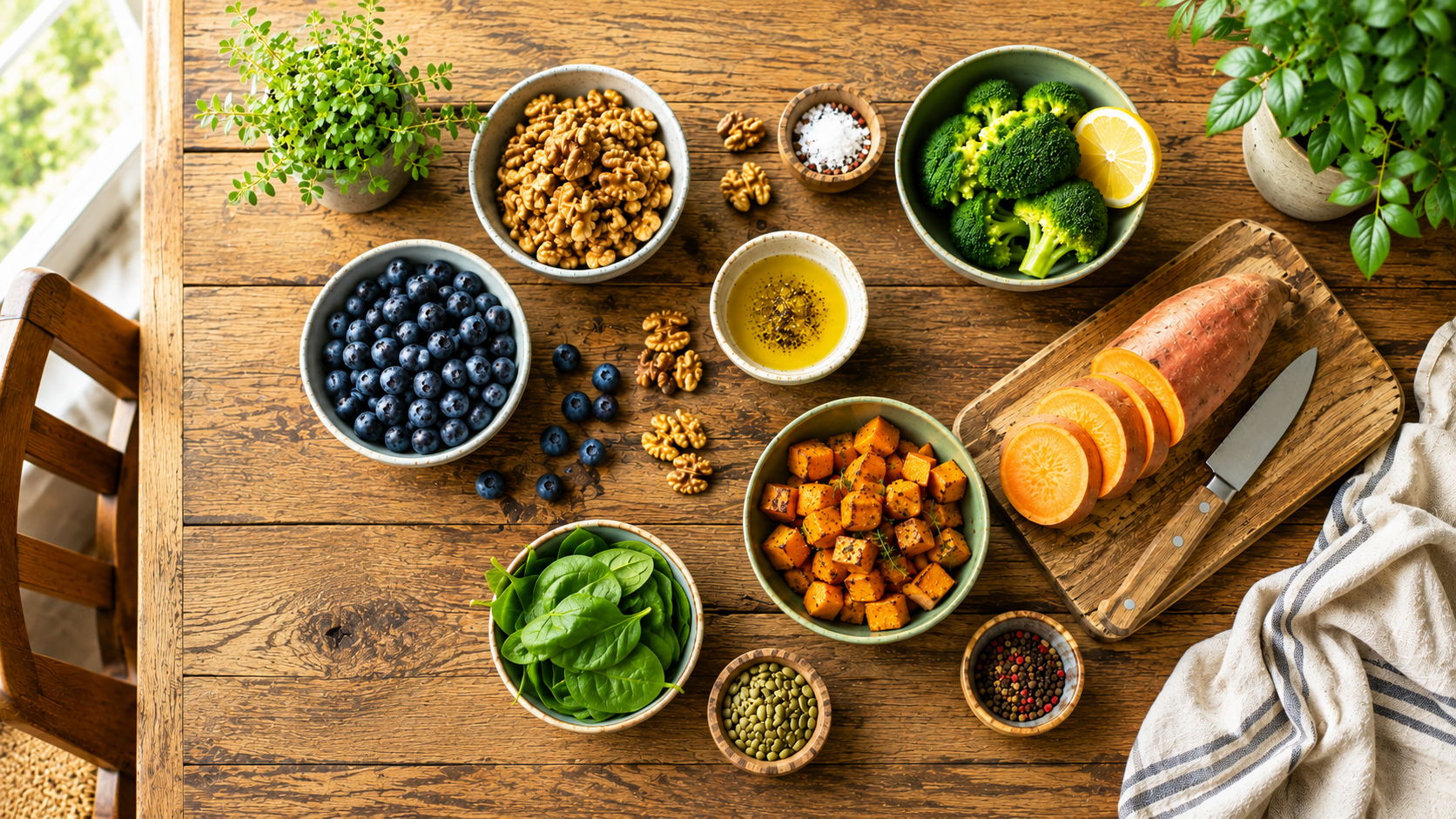
Blueberries, strawberries, and other berries provide flavonoids and other antioxidant compounds that help combat the oxidative stress closely linked to chronic inflammation, offering a genuinely research-supported anti-inflammatory food choice.
Why it matters: The combination of antioxidants and fiber in berries appears to provide comprehensive anti-inflammatory benefit, with research specifically linking regular berry consumption to reduced inflammatory markers in blood work.
Leafy Greens for Multiple Anti-Inflammatory Compounds
Spinach, kale, and other leafy greens provide numerous antioxidants and anti-inflammatory compounds, including vitamin K, which has specifically been linked to reduced inflammatory markers in research.
Why it matters: The nutrient density of leafy greens provides broad-spectrum support against inflammation, working through multiple simultaneous mechanisms rather than a single isolated compound, making them one of the most comprehensively beneficial anti-inflammatory foods available.
Extra Virgin Olive Oil for Anti-Inflammatory Fats
Extra virgin olive oil contains oleocanthal, a compound with anti-inflammatory properties that researchers have compared functionally to certain anti-inflammatory medications, though at much lower, food-based concentrations.
Why it matters: As a cornerstone of the extensively studied Mediterranean diet, olive oil’s anti-inflammatory properties contribute significantly to that diet’s well-documented health benefits, making it a particularly valuable substitution for less beneficial cooking fats.
Turmeric for Concentrated Anti-Inflammatory Compounds

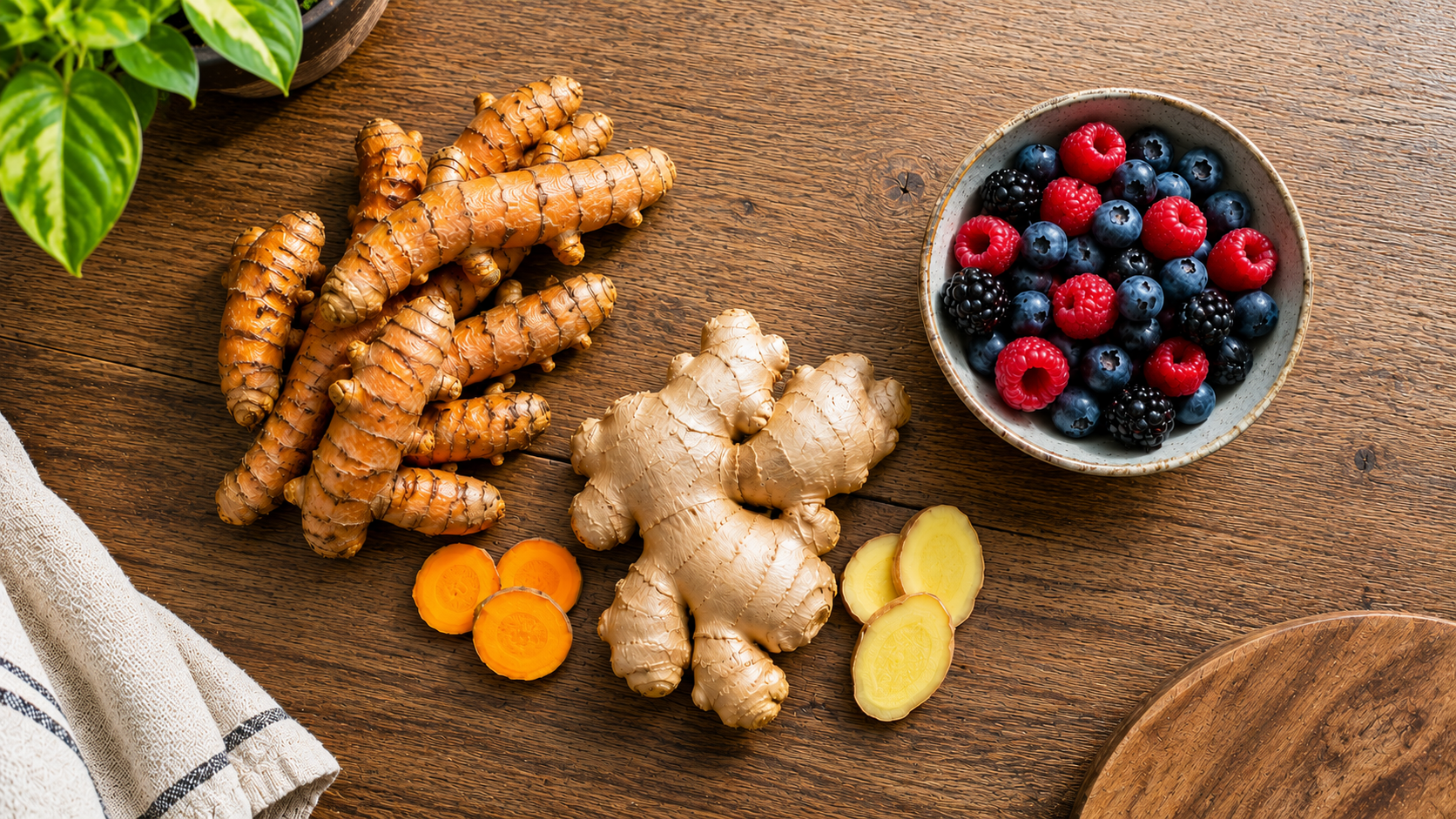
Turmeric contains curcumin, among the most extensively studied anti-inflammatory compounds found in food, with research examining its potential benefits for joint discomfort, cardiovascular health, and even cognitive function.
Why it matters: While curcumin’s absorption from turmeric alone is relatively limited, combining it with black pepper (which contains piperine, significantly enhancing curcumin absorption) and a source of fat can meaningfully improve how much benefit you actually receive from this well-researched compound.
Nuts for Anti-Inflammatory Fats and Nutrients
Walnuts, almonds, and other nuts provide healthy fats, antioxidants, and other compounds associated with reduced inflammatory markers, making them a valuable, versatile addition to an anti-inflammatory eating pattern.
Why it matters: Regular nut consumption has been associated in research with reduced markers of inflammation alongside cardiovascular benefits, offering a convenient, minimally processed anti-inflammatory food option.
Ginger for Traditional and Research-Supported Benefits
Ginger has a long history of traditional use for inflammatory conditions, and modern research has identified specific compounds within ginger that appear to genuinely support this traditional application, particularly for joint discomfort.
Why it matters: Beyond its anti-inflammatory properties, ginger’s additional digestive benefits make it a versatile addition to an anti-inflammatory eating pattern, easily incorporated into both savory dishes and beverages like tea.
Whole Grains Versus Refined Grains
Whole grains, retaining their fiber and nutrient content, appear to support lower inflammatory markers compared to refined grains, which have had much of this beneficial content removed during processing.
Why it matters: This distinction reinforces why simple substitutions — whole grain bread instead of white, brown rice instead of white rice — provide genuine anti-inflammatory benefit through an easy, sustainable dietary change rather than requiring elimination of grains entirely.
Foods That Promote Inflammation Worth Limiting
Alongside adding anti-inflammatory foods, research points to limiting certain foods that appear to promote chronic inflammation, including refined sugar, refined carbohydrates, excessive red and processed meat, and foods high in trans fats or heavily processed vegetable oils.
This doesn’t require complete elimination of these foods for most people, but rather shifting the overall balance of your diet away from these inflammation-promoting patterns and toward the anti-inflammatory foods discussed throughout this article.
How to Know If Chronic Inflammation Might Be Affecting You
Chronic inflammation doesn’t always produce obvious symptoms, which is part of why it can persist unnoticed for years, but some general signs sometimes accompany elevated inflammatory burden, including persistent fatigue, joint stiffness or discomfort beyond what might be expected, and in some cases, digestive symptoms. Blood tests measuring specific inflammatory markers, like C-reactive protein, can provide more objective information than symptoms alone, and are sometimes included as part of routine bloodwork or can be specifically requested if you’re curious about your current inflammatory status.
If you’re managing a diagnosed inflammatory condition, or simply curious about your baseline inflammatory markers, discussing this testing with your doctor can provide useful information for tracking whether dietary and lifestyle changes are producing measurable improvement over time, though it’s worth noting that inflammatory markers can fluctuate based on many factors beyond diet alone, including recent illness, stress, and sleep quality.
Practical Meal Ideas Incorporating Anti-Inflammatory Foods
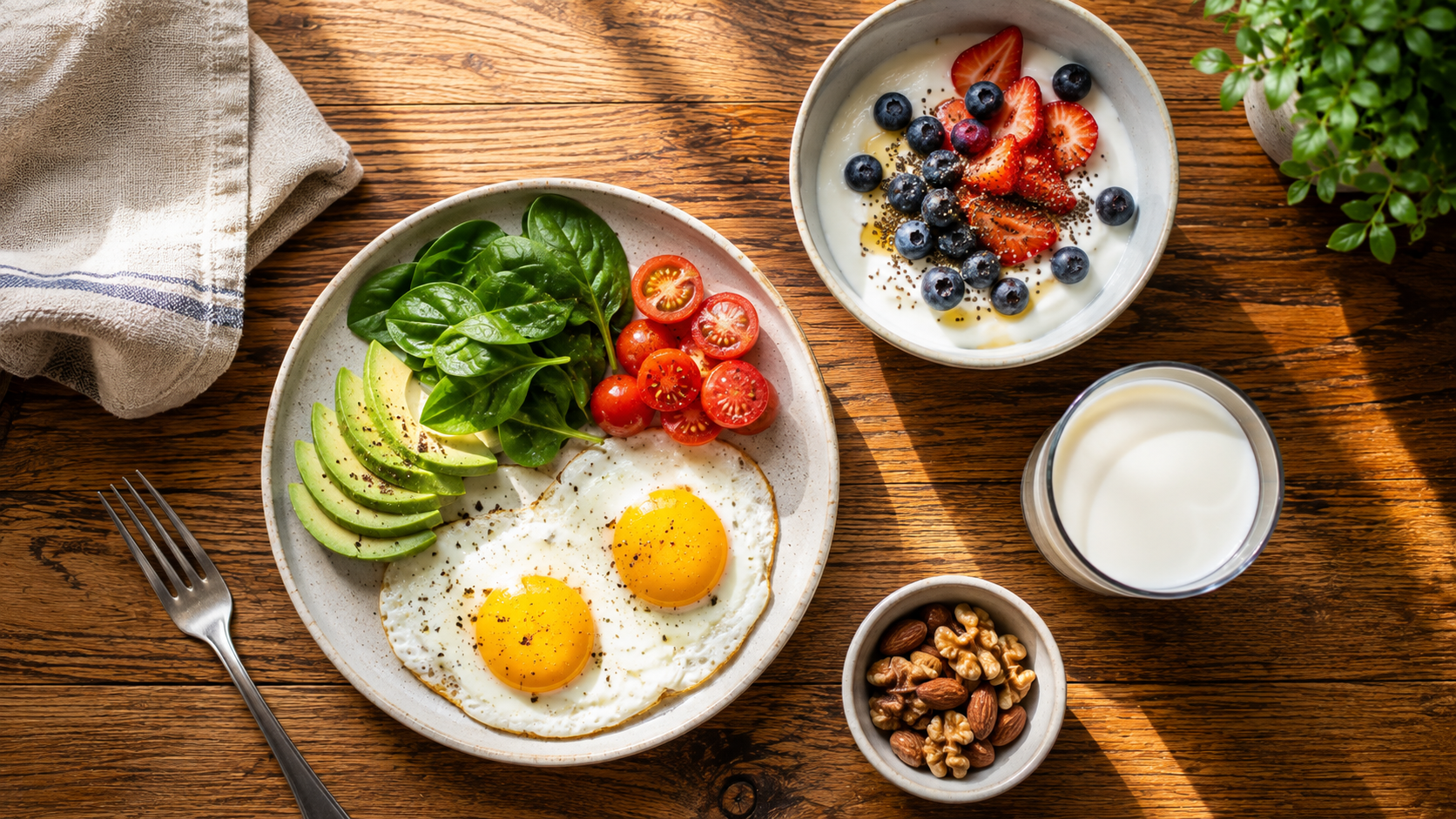
Translating these individual foods into actual meals can feel more manageable with concrete examples. A breakfast might include oatmeal topped with berries and walnuts. Lunch could feature a large salad with leafy greens, olive oil dressing, and grilled salmon. Dinner might incorporate a turmeric-spiced vegetable curry with brown rice, or roasted vegetables drizzled with olive oil alongside a lean protein source. Snacks might include a small handful of almonds or a piece of fruit rather than processed alternatives.
These example meals naturally incorporate multiple anti-inflammatory foods simultaneously, without requiring specialized recipes or unfamiliar ingredients, demonstrating how these principles can integrate into fairly ordinary, accessible eating patterns rather than requiring a dramatic departure from familiar foods and cooking methods.
Combining Anti-Inflammatory Eating With Other Healthy Habits
While diet plays a significant role in managing chronic inflammation, it works most effectively alongside other lifestyle factors also linked to inflammatory burden, including regular physical activity, adequate sleep, stress management, and maintaining a healthy weight. Each of these factors influences inflammation through somewhat different mechanisms, meaning a comprehensive approach addressing multiple areas simultaneously tends to produce more meaningful results than focusing on diet in isolation from these other genuinely important contributing factors.
This reinforces a theme found throughout many of our articles — that meaningful health outcomes typically result from a combination of complementary habits working together, rather than any single intervention, however well-researched, providing complete protection on its own.
Building an Anti-Inflammatory Eating Pattern
Rather than focusing on individual foods in isolation, the Mediterranean diet — which naturally incorporates many of the foods discussed throughout this article — provides a well-researched, comprehensive framework for anti-inflammatory eating. Gradually shifting your overall eating pattern toward this framework, emphasizing vegetables, fruits, whole grains, fish, and olive oil while limiting processed food and excessive red meat, tends to provide more comprehensive benefit than attempting to incorporate individual anti-inflammatory foods without broader dietary changes.
For a broader look at nutrition supporting overall healthy aging, our article on foods that help you age gracefully covers additional strategies that overlap significantly with anti-inflammatory eating principles.
According to the National Institute on Aging, dietary patterns rich in anti-inflammatory foods, particularly those following Mediterranean-style eating patterns, are associated with better health outcomes and reduced risk of numerous age-related conditions.
Frequently Asked Questions
Can anti-inflammatory foods replace medication for inflammatory conditions? No — while diet can meaningfully support inflammation management, conditions requiring medical treatment, like rheumatoid arthritis, typically need appropriate medical care alongside, not instead of, dietary support.
How quickly can anti-inflammatory foods reduce inflammation markers? Some studies show measurable changes in inflammatory markers within weeks of significant dietary changes, though more substantial, lasting benefit typically develops over months of consistent, sustained dietary practice rather than a brief period of strict adherence.
Is turmeric supplementation better than incorporating it into food? Both approaches have research support, though supplements often provide more concentrated curcumin than typical dietary amounts, making them worth discussing with your doctor if you’re specifically targeting inflammation management for a diagnosed condition or persistent symptoms.
Do anti-inflammatory foods help with joint pain specifically? Many people with arthritis and joint discomfort report improvement with anti-inflammatory dietary patterns, though individual response varies, and this approach works best as a complement to, rather than a replacement for, other appropriate treatment recommended by your doctor or rheumatologist.
Being Patient With Gradual, Sustainable Change
Given that chronic inflammation typically develops gradually over years, it’s reasonable to expect that meaningfully reducing this inflammatory burden through diet also takes sustained time and consistency, rather than producing rapid, dramatic results within days or weeks. Approaching anti-inflammatory eating as a long-term, ongoing commitment, rather than a short-term fix expected to quickly resolve chronic symptoms, tends to support both more realistic expectations and better long-term adherence to these genuinely beneficial dietary patterns.
This patient, sustained approach — making consistent, modest dietary shifts and maintaining them over months and years — ultimately produces more meaningful results than an intense but short-lived dietary overhaul that proves difficult to sustain once initial motivation fades.
Making Anti-Inflammatory Eating a Lasting Habit
The benefits discussed throughout this article accumulate most meaningfully through sustained, long-term dietary patterns rather than short-term dietary experiments. Viewing these food choices as a permanent shift in your everyday eating, rather than a temporary intervention tied to a specific health concern, tends to produce the most meaningful, lasting reduction in chronic inflammatory burden over the years ahead, regardless of your current health status or where you’re starting from today.
Conclusion
Anti-inflammatory foods — fatty fish, berries, leafy greens, olive oil, and turmeric among them — offer a genuine, food-based strategy for combating the chronic inflammation increasingly linked to numerous age-related conditions. Building these foods into a sustainable, Mediterranean-style eating pattern provides meaningful, research-supported support for long-term health across multiple body systems simultaneously.
Disclaimer: This article is intended for general informational and educational purposes only and does not constitute medical or nutritional advice. Please consult your doctor or a registered dietitian before making significant dietary changes, especially if you have existing inflammatory or other health conditions.