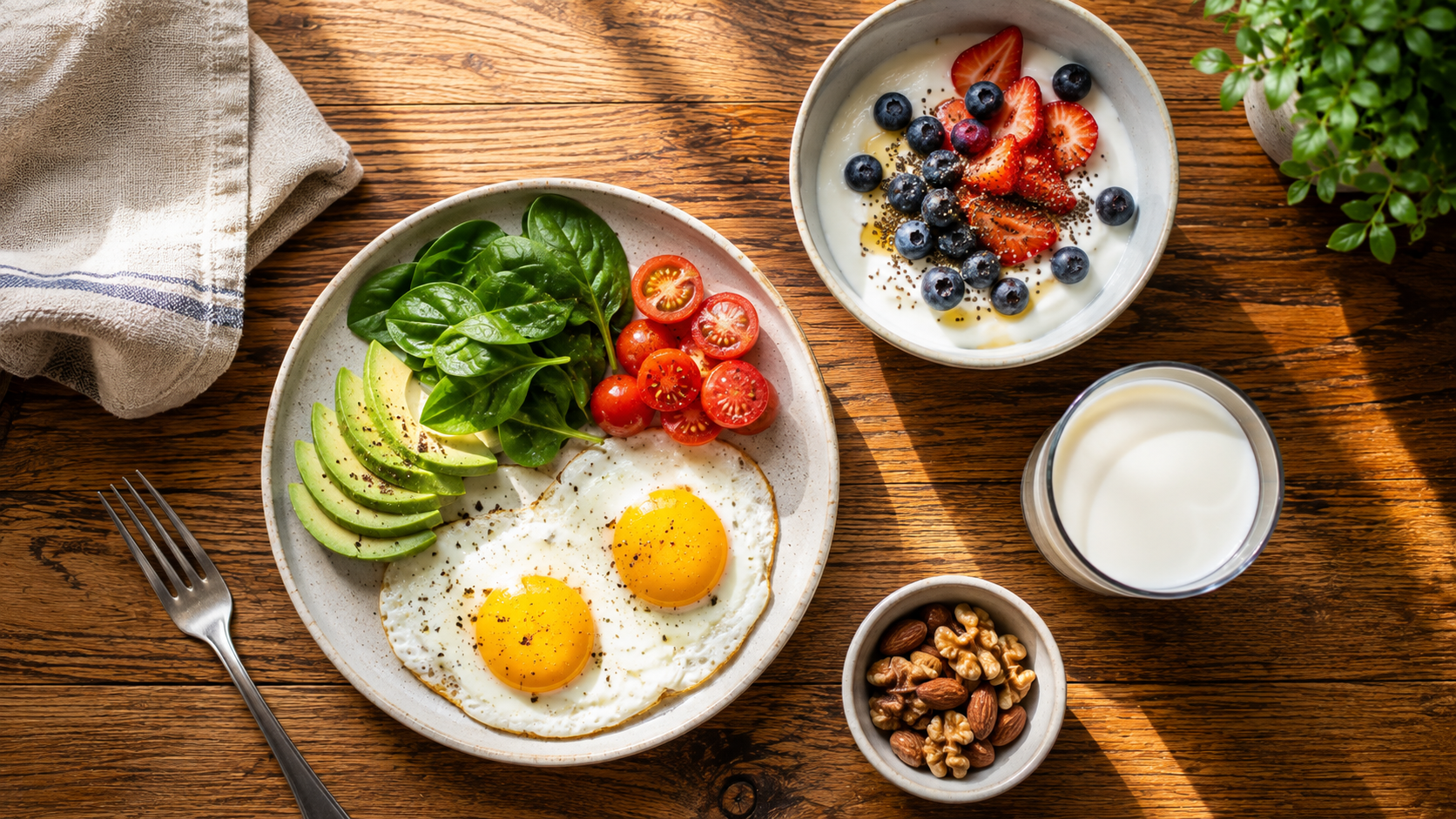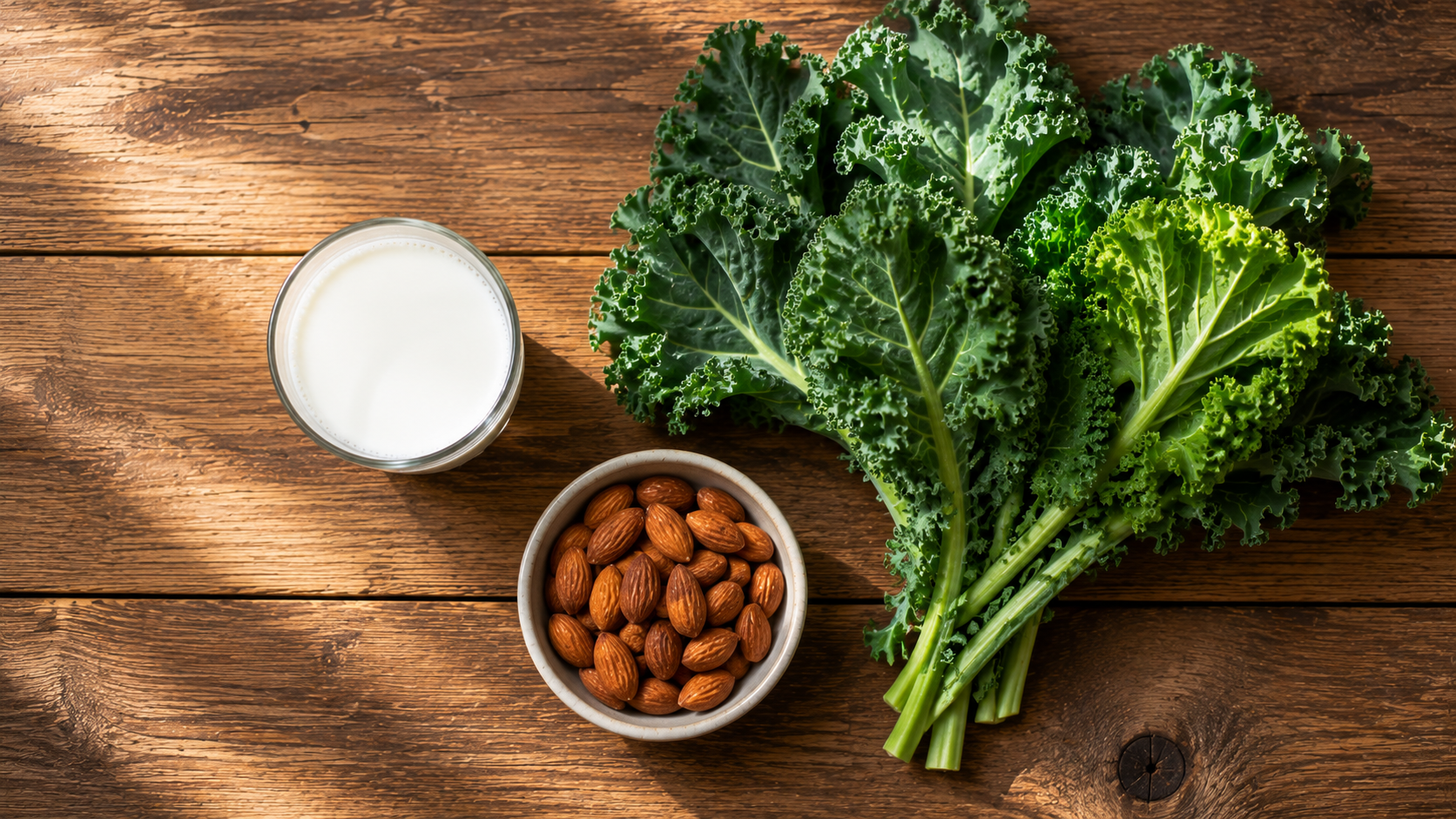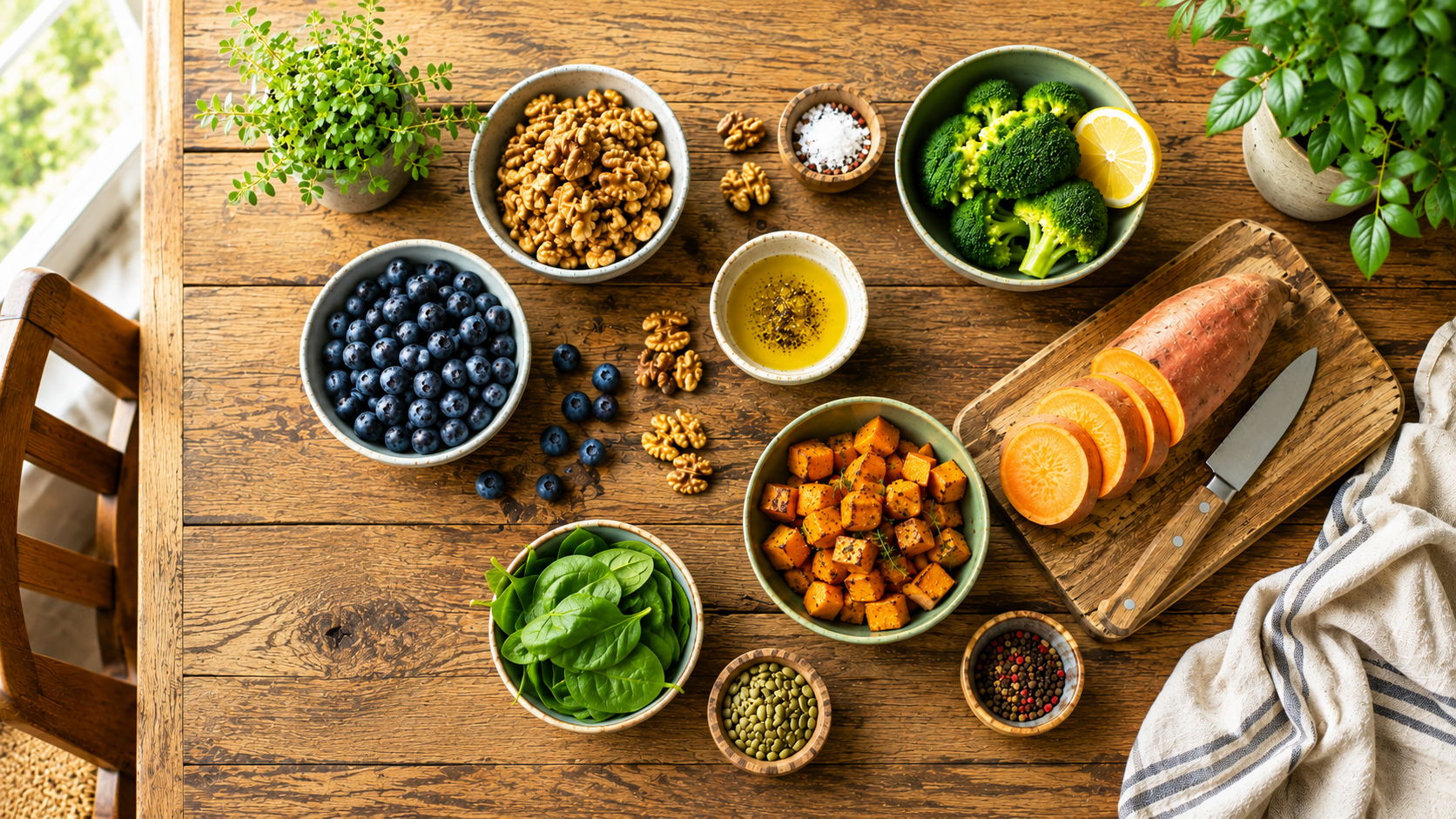
The term “superfood” gets used loosely in marketing, but some foods genuinely earn the label through concentrated nutritional value that offers real, research-supported benefit for aging bodies. Understanding the best superfoods for seniors means focusing on foods that deliver meaningful nutrition per calorie, supporting the specific health priorities that become increasingly important with age.
Having worked with seniors for years, watching how much nutritional quality affects energy, immunity, and overall vitality, I want to walk through the foods that genuinely deserve attention, and why they matter specifically for this stage of life.
What Actually Makes a Food a “Superfood”
The term “superfood” isn’t a formal scientific or regulatory category — it’s a popular way of describing foods with an unusually concentrated, well-researched combination of beneficial nutrients relative to their calorie content. This means the label itself is somewhat informal, but the foods that genuinely earn it typically share specific, identifiable qualities: high antioxidant content, anti-inflammatory compounds, essential fatty acids, or an unusually dense combination of vitamins and minerals relative to calories.
Understanding this helps set realistic expectations — no single food, however nutritionally impressive, works as an isolated magic solution for health. Rather, these foods earn their reputation by consistently appearing in research studying dietary patterns associated with better health outcomes, meaning their value comes from regular inclusion within an overall healthy diet, not from any single food acting as a standalone remedy for specific health concerns.
Why Nutrient Density Matters More With Age
As calorie needs typically decrease somewhat with age due to changes in metabolism and activity level, while nutrient needs remain the same or even increase for certain nutrients like protein and calcium, nutrient density becomes an increasingly important consideration. This means the specific foods you choose to eat, within a potentially smaller overall calorie budget, carry more weight than they did in younger years when higher calorie needs allowed for more nutritional “room” to accommodate less nutrient-dense choices alongside more beneficial ones.
This is part of why the foods discussed throughout this article specifically earn attention for seniors — they provide substantial nutritional value even in modest portions, helping ensure adequate nutrient intake without requiring large volumes of food that may exceed comfortable appetite or calorie needs at this stage of life.
Blueberries for Brain and Cellular Health
Blueberries are rich in antioxidants called anthocyanins, specifically linked in research to improved memory function and reduced oxidative stress at the cellular level. Their concentrated antioxidant content, combined with fiber and vitamin C, makes them one of the most research-supported fruits for supporting healthy aging.
Why they matter for seniors: Beyond cognitive benefits, the antioxidants in blueberries help combat the oxidative stress that contributes to many age-related conditions, while their fiber content supports digestive health that can become more challenging with age.
Salmon for Omega-3s and Protein
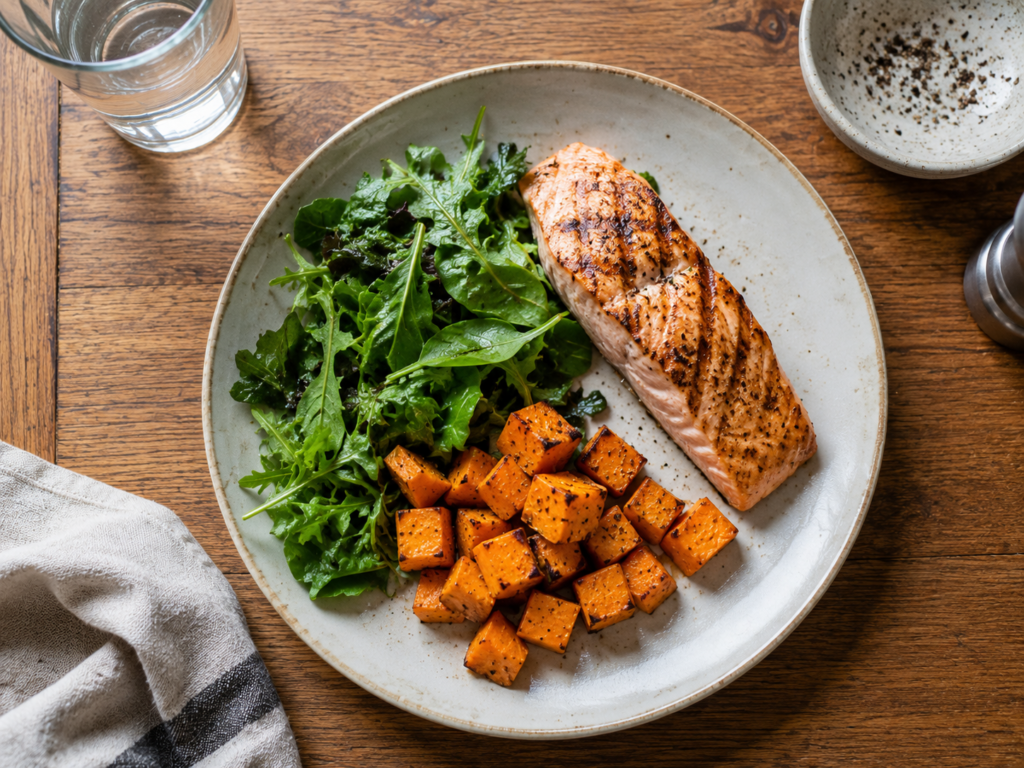
Salmon and other fatty fish provide a rare combination of high-quality protein, essential omega-3 fatty acids, and vitamin D, addressing several nutritional priorities that become increasingly important with age simultaneously.
Why they matter for seniors: Protein needs increase with age to help preserve muscle mass, while omega-3s support both cardiovascular and cognitive health, and vitamin D supports bone health — making salmon a genuinely efficient nutritional choice for addressing multiple priorities at once.
Leafy Greens for Nutrient Density
Spinach, kale, and other leafy greens provide exceptional nutrient density, offering vitamin K, folate, vitamin A, and various minerals in a low-calorie package, making them particularly valuable as calorie needs often decrease with age while nutrient needs remain the same or increase.
Why they matter for seniors: The vitamin K content supports bone health, while the overall nutrient profile supports immune function and has been associated with slower cognitive decline in research specifically studying older populations.
Greek Yogurt for Protein and Gut Health
Greek yogurt provides concentrated protein alongside probiotics that support gut health, addressing two priorities that become increasingly relevant with age — muscle preservation and digestive health, which can be affected by both aging itself and common medications.
Why they matter for seniors: The combination of protein and probiotics makes Greek yogurt particularly valuable, especially since gut bacteria diversity often decreases with age, and supporting this microbiome has been linked to broader immune and even cognitive benefits in emerging research.
Walnuts for Brain-Supportive Fats
Walnuts provide a unique combination of omega-3 fatty acids and antioxidants, studied specifically for their potential cognitive benefits beyond what other nuts typically offer, alongside heart-healthy monounsaturated fats.
Why they matter for seniors: The specific combination of nutrients in walnuts has been associated in research with better cognitive performance, making them a particularly valuable addition for seniors prioritizing both heart and brain health simultaneously.
Sweet Potatoes for Complex Carbohydrates and Vitamin A
Sweet potatoes provide complex carbohydrates for steady energy, along with substantial vitamin A supporting immune function and eye health, both increasingly relevant priorities with age.
Why they matter for seniors: The fiber content supports stable blood sugar and digestive health, while the vitamin A content supports immune function that can become somewhat less robust with age, making sweet potatoes a genuinely valuable addition to regular meals.
Turmeric for Anti-Inflammatory Support
Turmeric contains curcumin, extensively studied for its anti-inflammatory properties, potentially relevant to the chronic, low-grade inflammation increasingly linked to many age-related conditions, from joint discomfort to cognitive decline.
Why they matter for seniors: Chronic inflammation appears to play a role in numerous conditions common with age, making anti-inflammatory foods like turmeric a reasonable, food-based strategy for supporting overall health, though it works best combined with other anti-inflammatory dietary patterns rather than as an isolated intervention.
Eggs for Complete Protein and Choline
Eggs provide complete protein along with choline, a nutrient specifically important for brain health and often under-consumed, alongside various vitamins and minerals in a convenient, affordable package.
Why they matter for seniors: The combination of easily digestible complete protein and brain-supportive choline makes eggs a particularly efficient nutritional choice, especially valuable for those with reduced appetite who need to maximize nutrition within smaller meal volumes.
Beans and Legumes for Fiber and Plant Protein
Beans, lentils, and other legumes provide substantial fiber alongside plant-based protein, supporting digestive health, stable blood sugar, and cardiovascular health simultaneously.
Why they matter for seniors: The fiber content is particularly valuable given that digestive changes are common with age, while the affordable, versatile nature of legumes makes them an accessible way to boost protein intake without relying entirely on more expensive animal protein sources.
Extra Virgin Olive Oil for Heart and Brain Health
Extra virgin olive oil, a cornerstone of the extensively studied Mediterranean diet, provides monounsaturated fats and antioxidant compounds associated with reduced inflammation and better cardiovascular and cognitive outcomes.
Why they matter for seniors: Using olive oil as a primary cooking fat provides ongoing access to these beneficial compounds through an easy substitution that doesn’t require significant changes to typical meal preparation or eating patterns.
Affordable Ways to Access These Foods Regularly
Cost concerns sometimes create a barrier to consistently incorporating nutrient-dense foods like salmon or fresh berries. A few practical strategies can help make these foods more accessible on a budget: frozen berries and vegetables retain most nutritional value at a significantly lower cost than fresh versions, canned salmon or sardines provide the same omega-3 benefits as fresh fillets at a fraction of the price, dried or canned beans and lentils offer extremely affordable plant protein and fiber, and buying nuts in bulk rather than pre-packaged portions typically reduces cost considerably.
These practical substitutions allow access to the genuine nutritional benefits discussed throughout this article without requiring a significant increase in grocery spending, making these strategies accessible regardless of budget constraints that become an increasingly relevant consideration for many seniors on fixed incomes.
How Cooking Methods Affect the Benefits of These Foods
The way these nutrient-dense foods are prepared can meaningfully affect how much benefit you actually receive from them. Steaming or lightly sautéing vegetables tends to preserve more nutrients than boiling, which can leach water-soluble vitamins into cooking water that then gets discarded. Baking or grilling fish generally preserves omega-3 content better than deep frying, which can also add unhealthy fats that offset some of the fish’s inherent benefits.
Simple adjustments — steaming rather than boiling vegetables, using olive oil rather than heavily processed vegetable oils when cooking, and choosing baking or grilling over frying for proteins — can meaningfully increase the actual nutritional benefit you receive from these superfoods, without requiring significantly more time, cost, or culinary skill than less optimal preparation methods.
Combining These Foods for Even Greater Benefit
Some of these superfoods appear to work synergistically when combined, providing greater benefit together than either would offer in isolation. For example, combining vitamin C-rich foods like berries with iron-rich foods like leafy greens can enhance iron absorption, while pairing turmeric with black pepper significantly increases the absorption of curcumin, the beneficial compound in turmeric that’s otherwise poorly absorbed on its own.
This suggests that thinking about meals as combinations of complementary nutrients, rather than focusing exclusively on individual “superfood” ingredients in isolation, may provide additional benefit beyond what any single food could offer alone, adding another layer of consideration for those looking to maximize the nutritional value of their everyday meals.
Building These Superfoods Into Realistic Meals
Rather than treating these as foods to consume in isolation, incorporating them into regular meals tends to be more sustainable:
- Add blueberries to breakfast or as a snack a few times weekly
- Include salmon or another fatty fish once or twice weekly
- Keep leafy greens accessible for easy addition to meals
- Choose Greek yogurt as a protein-rich breakfast or snack option
- Use olive oil as your primary cooking fat where possible
These consistent, small additions tend to provide more sustainable, meaningful benefit than attempting to consume every superfood daily, which can feel overwhelming and difficult to maintain long-term.
For a broader look at nutrition supporting overall healthy aging, our article on foods that help you age gracefully covers additional nutritional strategies that complement this superfood-specific focus.
According to the National Institute on Aging, a nutrient-dense diet incorporating a variety of whole foods supports healthy aging more effectively than any single food consumed in isolation, regardless of how nutritionally impressive that individual food might be.
Frequently Asked Questions
Do I need to eat all of these superfoods to see benefit? No — incorporating even a few of these foods regularly provides meaningful nutritional benefit. The overall pattern of your diet matters more than including every single food discussed here.
Are supplements a good substitute for these whole foods? Whole foods generally provide better overall nutritional benefit than isolated supplements, due to the complex combination of nutrients, fiber, and other beneficial compounds working together in ways supplements typically can’t fully replicate.
Are frozen versions of these foods still beneficial? Yes — frozen fruits and vegetables generally retain most of their nutritional value, often being frozen at peak ripeness, making them a genuinely good, often more affordable alternative to fresh versions.
How quickly can incorporating these foods improve how I feel? Some effects, like more stable energy from protein-rich choices, can appear within days, while more significant health benefits from sustained dietary patterns typically develop over months of consistent incorporation into your regular routine.
Starting Small and Building Gradually
Rather than attempting to incorporate every superfood discussed throughout this article simultaneously, choosing just one or two to add to your regular rotation, and gradually expanding from there as these additions become comfortable, established habits, tends to produce more sustainable, lasting dietary change than an ambitious overhaul attempted all at once. Small, consistent additions, sustained over months and years, ultimately matter more than a brief period of comprehensive but unsustainable dietary perfection.
This gradual approach also allows you to genuinely discover which of these foods you enjoy enough to maintain long-term, rather than forcing consumption of foods you don’t particularly like simply because they’re nutritionally impressive, which rarely produces lasting dietary change regardless of the food’s theoretical benefits.
Conclusion
The best superfoods for seniors share common qualities — concentrated nutrition, anti-inflammatory properties, and support for the specific health priorities that matter most with age, from muscle preservation to cognitive health. Consistently incorporating foods like blueberries, salmon, leafy greens, and legumes into your everyday meals offers a genuinely actionable strategy for supporting long-term health and vitality, regardless of your current budget or cooking experience.
Disclaimer: This article is intended for general informational and educational purposes only and does not constitute medical or nutritional advice. Please consult your doctor or a registered dietitian before making significant dietary changes, especially if you have existing health conditions.