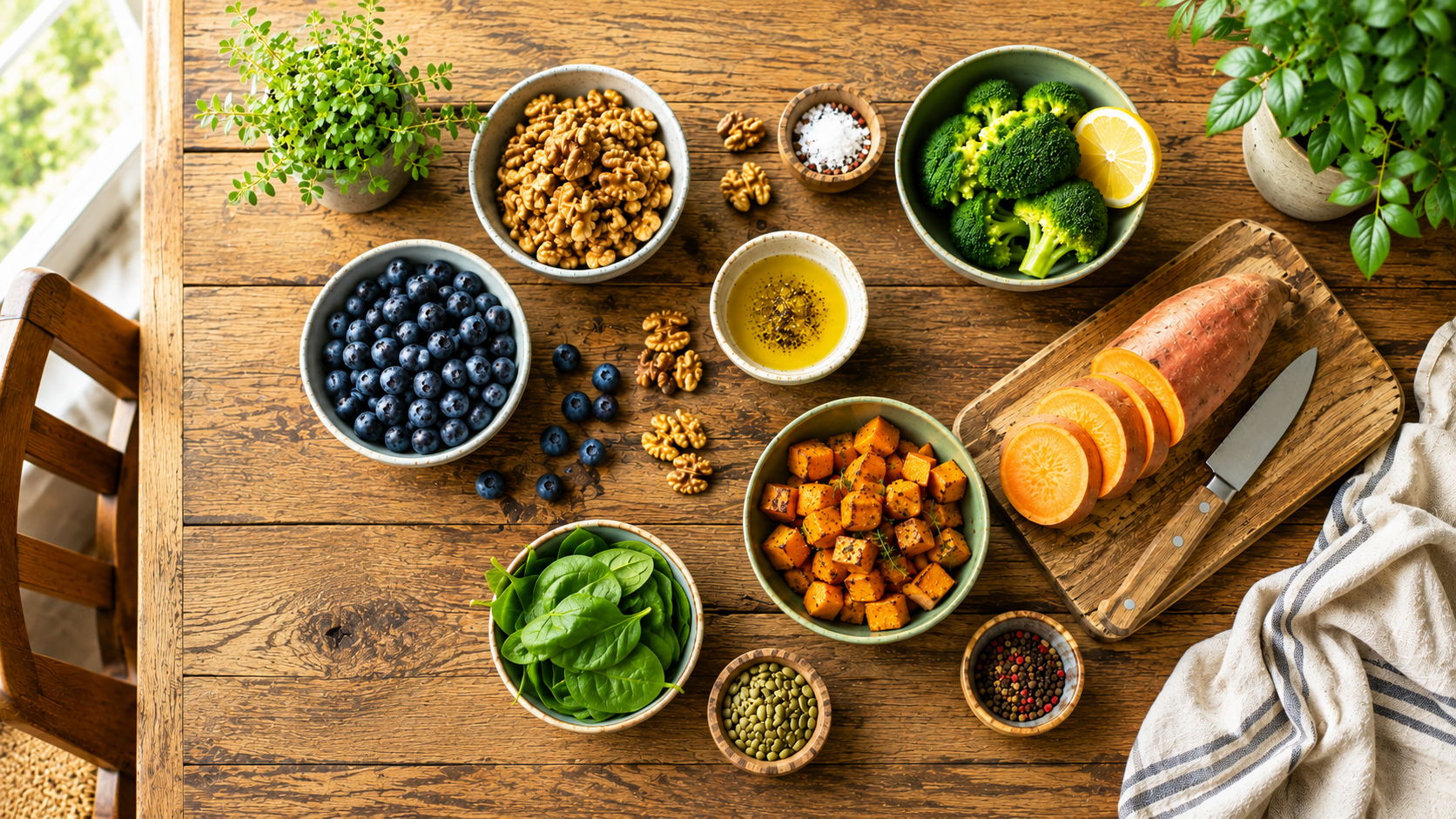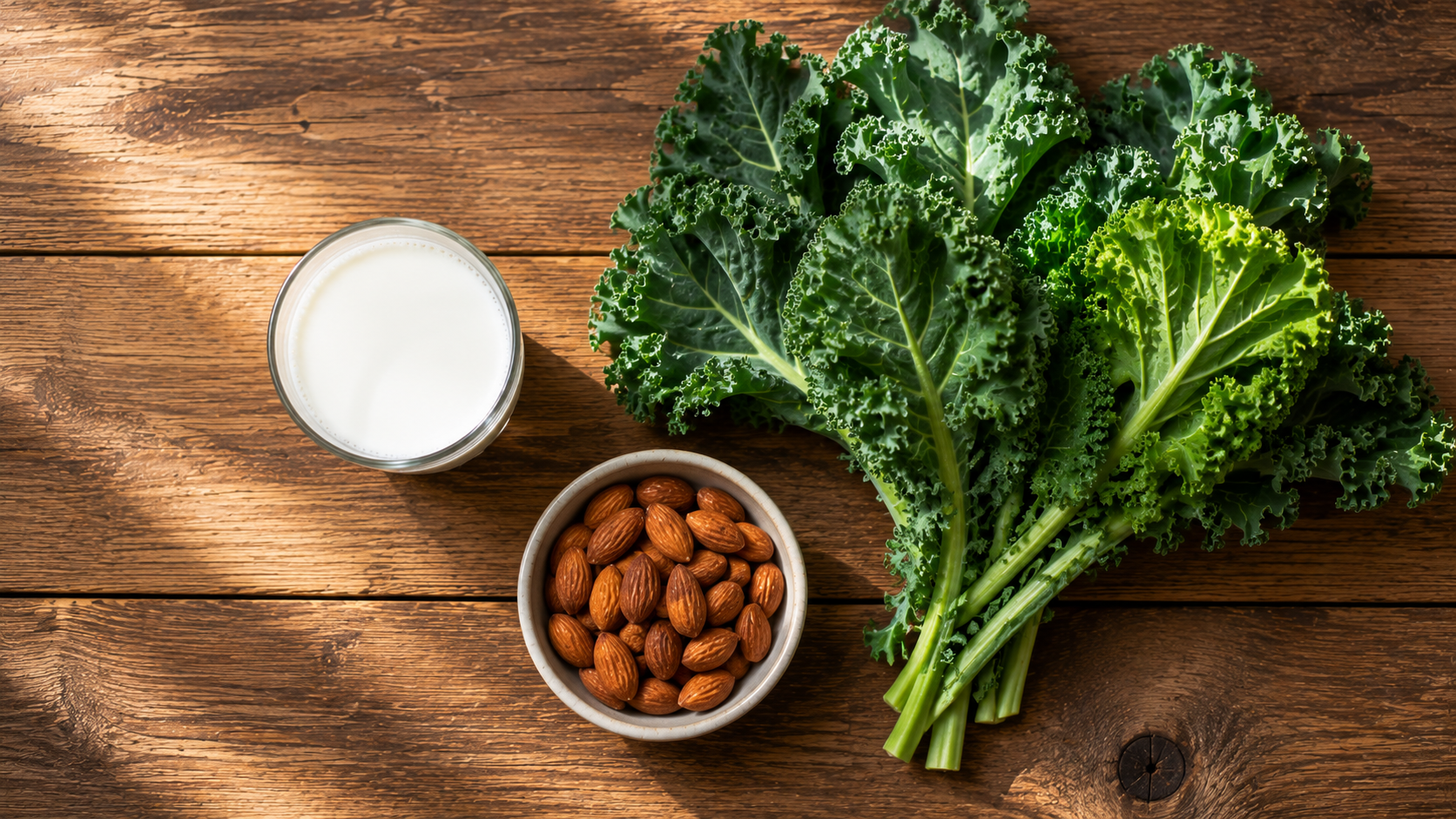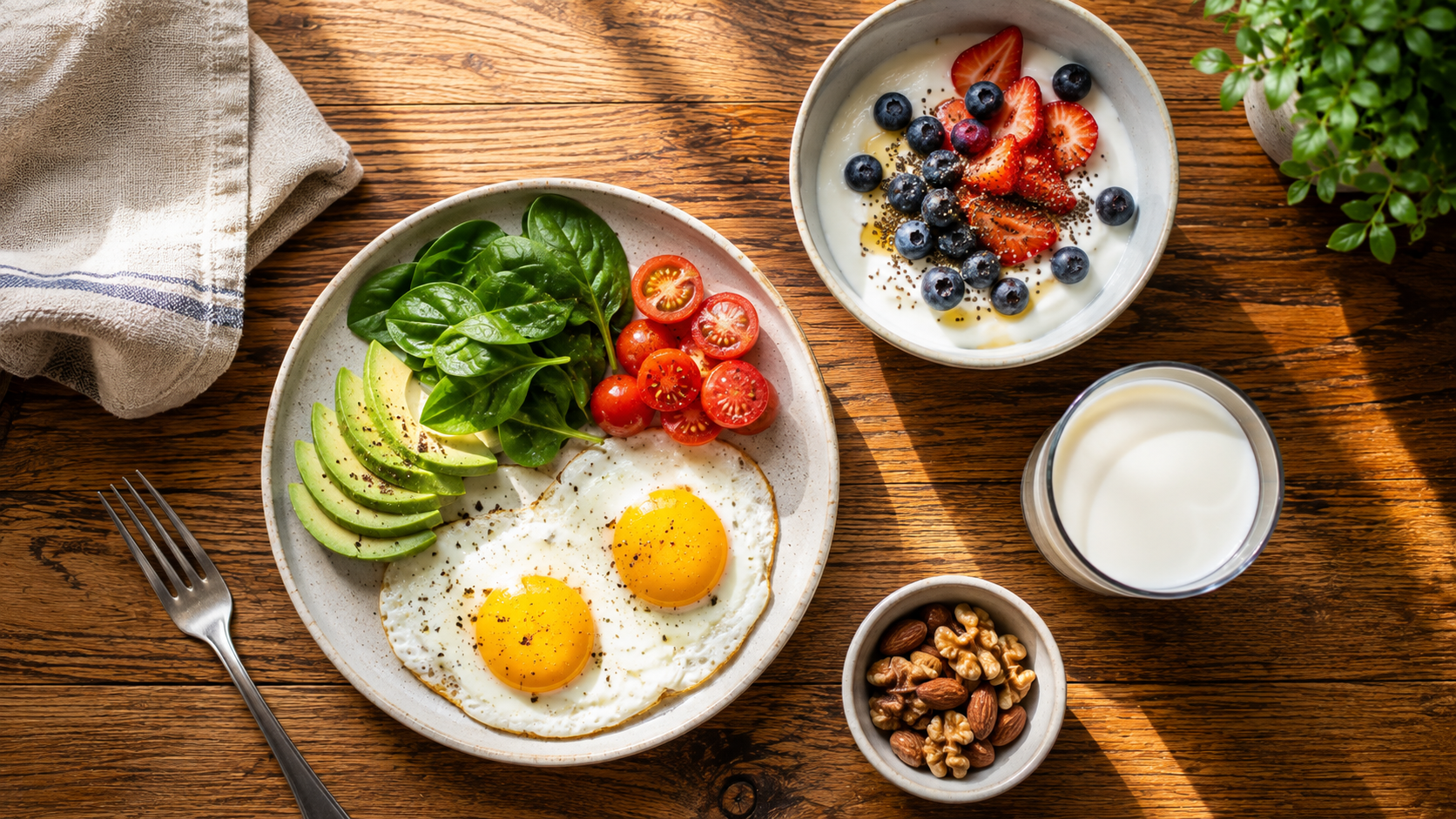
Protein needs don’t decrease with age — if anything, they increase, even as appetite and overall calorie needs often decline. Understanding which high-protein foods after 60 genuinely support muscle preservation and strength can help you meet these increased needs without requiring large meal volumes that may feel overwhelming or unrealistic given typical age-related appetite changes.
Having worked with seniors navigating exactly this nutritional challenge, I want to walk through the protein sources that offer the most value, along with practical strategies for actually incorporating enough protein into realistic daily eating patterns.
Why Protein Needs Increase With Age
Starting in your 30s, the body begins a gradual process of muscle loss called sarcopenia, which accelerates notably after 60. Adequate protein intake, combined with resistance exercise, is one of the most significant factors in slowing this process, since protein provides the building blocks needed for muscle maintenance and repair.
Research suggests that older adults often need more protein per pound of body weight than younger adults to achieve the same muscle-protective effect, a phenomenon researchers call “anabolic resistance” — essentially, aging muscles become somewhat less efficient at using protein for muscle maintenance, requiring more total intake to achieve the same protective benefit.
Understanding “Anabolic Resistance” and What It Means Practically
The concept of anabolic resistance, mentioned briefly above, deserves further explanation since it’s central to understanding why protein recommendations differ for older versus younger adults. Essentially, the same amount of protein that would trigger robust muscle protein synthesis in a younger adult produces a somewhat blunted response in older muscle tissue, requiring either more total protein or protein consumed in a way that maximizes the muscle-building signal — typically a higher-protein dose at each meal rather than smaller amounts spread very thinly throughout the day.
This is part of why the recommendation to spread protein across meals, with meaningful amounts (25-30 grams) at each meal, differs somewhat from simply spreading total daily protein evenly across many small servings. The research suggests there’s a threshold amount per meal needed to meaningfully trigger muscle protein synthesis in older adults, meaning very small amounts of protein spread across six or more mini-meals may be less effective than the same total protein concentrated into three or four meals that each individually clear this threshold.
Recognizing Signs You May Not Be Getting Enough Protein
Several signs can suggest inadequate protein intake, including unexplained muscle weakness or reduced strength, slower recovery from minor injuries or illness, increased susceptibility to infections (since protein supports immune function), thinning hair or brittle nails, and in more significant cases, unintentional weight loss with disproportionate muscle loss compared to fat loss.
If you’re noticing several of these signs, it’s worth having a specific conversation with your doctor about your current protein intake, potentially including a referral to a registered dietitian who can assess your specific needs and help identify practical ways to increase intake if a genuine gap exists between your current consumption and your body’s actual needs at this stage of life.
Eggs for Complete, Convenient Protein
Eggs provide complete protein, containing all essential amino acids in a convenient, affordable, and easily digestible package, making them one of the most practical high-protein options available for older adults.
Protein content: Roughly 6 grams per large egg, with the added benefit of choline, a nutrient particularly important for brain health that many people don’t consume in adequate amounts.
Greek Yogurt for Protein and Gut Health
Greek yogurt contains significantly more protein than regular yogurt due to its straining process, while also providing probiotics that support digestive health, which can become increasingly relevant with age.
Protein content: Roughly 15-20 grams per typical serving, making it one of the more protein-dense options available among commonly consumed foods.
Fish and Seafood for Protein Plus Omega-3s
Salmon, tuna, and other fish provide high-quality protein alongside beneficial omega-3 fatty acids, offering a combination of benefits particularly relevant to cardiovascular and cognitive health alongside muscle support.
Protein content: Roughly 20-25 grams per typical serving, varying somewhat by specific fish type and preparation.
Poultry for Lean, Versatile Protein
Chicken and turkey provide substantial lean protein with relatively low fat content, particularly when skin is removed, making them versatile options that work across countless meal preparations.
Protein content: Roughly 25-30 grams per typical serving, among the higher-protein options relative to calorie content.
Legumes for Plant-Based Protein and Fiber
Beans, lentils, and chickpeas provide substantial plant-based protein alongside fiber, supporting both muscle needs and digestive health simultaneously, while offering an affordable, versatile protein source.
Protein content: Roughly 15-18 grams per cup of cooked legumes, though plant proteins are generally considered somewhat less complete than animal proteins, meaning combining different plant protein sources throughout the day can help ensure adequate essential amino acid intake.
Cottage Cheese for High-Protein Versatility
Cottage cheese offers one of the higher protein-to-calorie ratios among dairy products, along with versatility that allows incorporation into both sweet and savory dishes.
Protein content: Roughly 25 grams per cup, making it one of the more protein-dense options available among commonly available foods.
Nuts and Nut Butters for Protein Plus Healthy Fats
While not as protein-dense as animal sources, nuts and nut butters provide meaningful protein alongside healthy fats and fiber, making them a valuable snack option, particularly for those needing to increase overall protein intake through multiple smaller additions throughout the day.
Protein content: Roughly 7-8 grams per quarter cup of most nuts, or per two tablespoons of nut butter.
Protein Powder for Supplemental Support
For those struggling to meet protein needs through food alone, particularly due to reduced appetite, whey or plant-based protein powders can provide a concentrated, easily consumed protein source that can be added to smoothies or other foods.
Protein content: Varies by product, but typically 15-25 grams per serving, making it a useful supplemental option when food-based intake alone proves genuinely insufficient.
Addressing Appetite Challenges That Limit Protein Intake
Reduced appetite, common with age due to hormonal changes, medication side effects, or simply decreased calorie needs, can make it genuinely challenging to consume adequate protein even with the best intentions. A few strategies can help address this specific challenge: prioritizing protein-rich foods earlier in meals, when appetite is typically strongest, rather than saving them for last; choosing more calorie and protein-dense options in smaller volumes, like nut butter or Greek yogurt, rather than requiring large food volumes to meet protein targets; and incorporating protein into beverages, like a smoothie with protein powder, for those who find drinking easier than eating substantial solid food volumes.
These strategies specifically address the mismatch between increased protein needs and often decreased appetite that many seniors experience, providing practical solutions rather than simply repeating the recommendation to “eat more protein” without acknowledging the genuine appetite barriers many people face at this life stage.
How Much Protein Do You Actually Need?
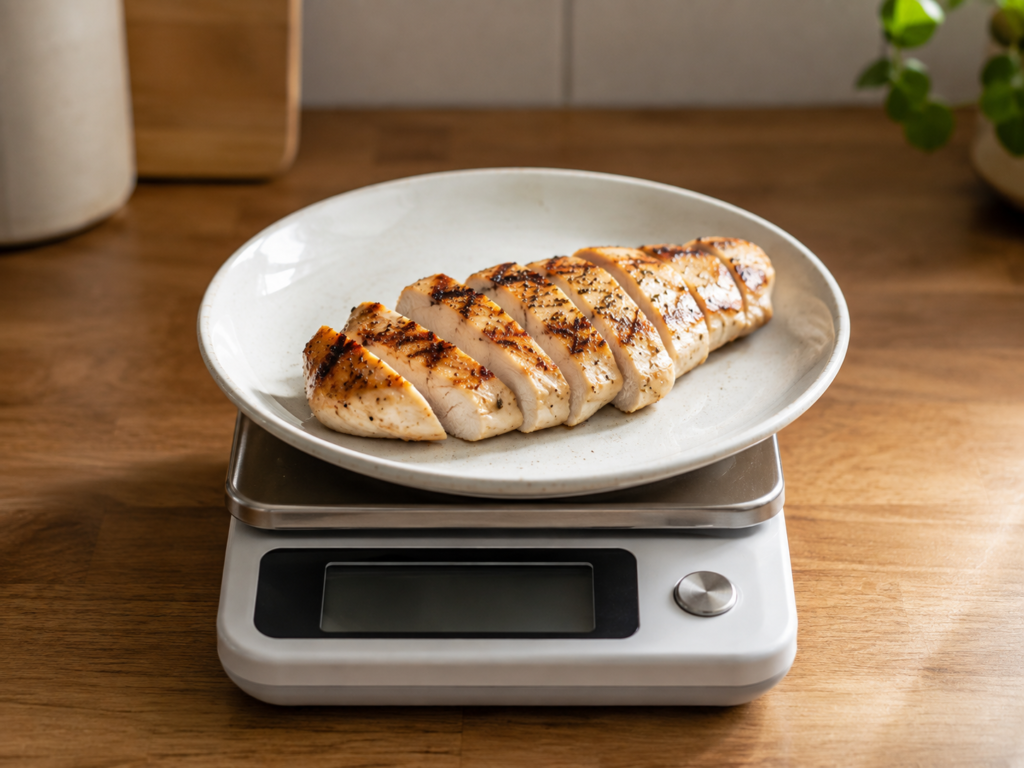
While individual needs vary based on activity level, health conditions, and body size, many experts suggest older adults aim for roughly 1.0 to 1.2 grams of protein per kilogram of body weight daily, somewhat higher than the standard recommendation often cited for younger adults. For someone weighing around 70 kilograms (about 154 pounds), this translates to roughly 70-84 grams of protein daily, though those engaged in regular strength training may benefit from slightly higher intake.
Spreading this protein across meals — rather than concentrating it entirely at dinner, a common pattern — appears to support better muscle protein synthesis throughout the day, meaning aiming for roughly 25-30 grams of protein at each meal tends to be more effective than the same total amount consumed in a single larger meal.
The Role of Protein in Recovery From Illness or Surgery
Protein needs increase further during periods of illness, injury, or recovery from surgery, when the body requires additional building blocks for healing and immune function alongside its baseline muscle maintenance needs. This makes protein intake particularly important during these vulnerable periods, even though illness itself often further suppresses appetite, creating a challenging combination of increased need and decreased desire to eat.
During recovery periods, prioritizing protein-dense, easily consumed options — protein shakes, soft-cooked eggs, Greek yogurt, or broth-based soups with added protein — can help meet these elevated needs even when appetite is significantly reduced. Family members or caregivers supporting someone through illness or recovery can play a meaningful role by specifically offering these protein-focused options rather than defaulting to whatever feels easiest to prepare, since the nutritional stakes during recovery periods are genuinely higher than during typical daily life.
Balancing Protein With Other Nutritional Priorities
While this article focuses specifically on protein, it’s worth remembering that adequate protein intake works best as part of a broader, balanced dietary pattern rather than as an isolated focus that crowds out other important nutrients. Vegetables, fruits, whole grains, and healthy fats all remain important alongside adequate protein, and an overly narrow focus on protein alone, at the expense of overall dietary balance, isn’t likely to produce the best overall health outcomes.
The goal is ensuring protein needs are adequately met within an otherwise varied, balanced diet, rather than viewing protein as the single most important nutritional consideration to the exclusion of other genuinely important dietary components discussed in our broader nutrition-focused articles on this site.
Practical Strategies for Increasing Protein Intake
Add protein to breakfast. Many traditional breakfasts are carbohydrate-heavy with relatively little protein. Incorporating eggs, Greek yogurt, or a protein smoothie can significantly boost morning protein intake.
Choose protein-rich snacks. Rather than purely carbohydrate-based snacks, options like cottage cheese, a hard-boiled egg, or a small handful of nuts provide meaningful protein between meals.
Don’t skip protein at any meal. Ensuring each meal includes a genuine protein source, rather than concentrating protein at just one or two meals daily, supports more effective muscle protein synthesis throughout the day.
Consider protein timing around exercise. Consuming protein within a few hours of strength training may support slightly better muscle-building response, though total daily intake matters more than precise timing for most people.
For a broader look at building and maintaining muscle as you age, our article on how to build muscle after 60 covers the complementary role of resistance exercise alongside adequate protein intake.
According to the National Institute on Aging, adequate protein intake, combined with regular physical activity, plays a significant role in preserving muscle mass and functional independence throughout the aging process.
Frequently Asked Questions
Can I get enough protein from plant sources alone? Yes, though it typically requires more intentional planning to combine different plant protein sources throughout the day to ensure adequate essential amino acid intake, since most individual plant proteins are less complete than animal sources.
Is too much protein harmful for older adults? For most healthy older adults, protein intake within the ranges discussed in this article is safe and beneficial. Those with kidney disease or other specific conditions should discuss appropriate protein levels with their doctor, since needs may differ.
Should I take a protein supplement if I eat a varied diet? Most people can meet protein needs through food alone with intentional meal planning, though supplements can be a reasonable, convenient option for those struggling with reduced appetite or difficulty consuming adequate protein through food alone.
Does cooking method affect protein content? Cooking method doesn’t significantly change the total protein content of a food, though it can affect digestibility and the presence of other nutrients, making preparation method a secondary consideration to the food choice itself.
Making Protein a Consistent, Lifelong Priority
Adequate protein intake matters not just as a short-term intervention but as an ongoing, lifelong priority that becomes increasingly important with each passing decade rather than less so. Building the habits and food choices discussed throughout this article into a permanent part of your regular eating pattern, rather than a temporary focus, offers the most meaningful long-term protection against the muscle loss that naturally accelerates with age.
This sustained, consistent approach to protein intake, maintained across years and decades rather than addressed only during specific health scares or after muscle loss has already become noticeable, tends to produce meaningfully better outcomes for strength, independence, and overall quality of life throughout the entire aging process.
Conclusion
High-protein foods after 60 — eggs, Greek yogurt, fish, poultry, legumes, and cottage cheese among them — provide the building blocks needed to preserve muscle mass and strength as natural age-related muscle loss accelerates. Spreading adequate protein intake across meals, rather than concentrating it at dinner alone, offers a genuinely actionable strategy for supporting long-term strength and independence, regardless of the appetite or budget challenges you may be navigating.
Disclaimer: This article is intended for general informational and educational purposes only and does not constitute medical or nutritional advice. Please consult your doctor or a registered dietitian before making significant dietary changes, especially if you have existing kidney or other health conditions.