
Financial scams targeting older adults have grown increasingly sophisticated, costing seniors billions of dollars annually while often going unreported due to embarrassment or fear. Understanding common elder financial scams family caregivers should watch for equips you to recognize warning signs early, potentially preventing devastating financial losses before they occur.
Having supported families after both prevented and, unfortunately, completed scams, I want to walk through the specific tactics scammers commonly use, along with practical strategies for protecting your aging parent’s finances.
Why Older Adults Are Frequently Targeted
Scammers specifically target older adults for several documented reasons — many grew up in eras with greater social trust and less exposure to sophisticated digital scam tactics, cognitive changes associated with aging can sometimes affect judgment around urgent, high-pressure requests, and many older adults have accumulated savings that make them attractive targets. Additionally, isolation, which many seniors experience, can make scammers’ offers of connection or urgent help feel more compelling than they would to someone with a robust, immediately available support network.
Understanding these reasons isn’t about suggesting older adults are inherently less capable — it’s about recognizing the specific tactics scammers exploit, which helps families provide more targeted, effective protection.
Charity Scams Targeting Generosity
Scammers frequently exploit older adults’ genuine generosity through fake charity solicitations, particularly common following natural disasters or during holiday seasons when charitable giving naturally increases.
Warning signs: High-pressure solicitations demanding immediate donation, reluctance to provide detailed information about how funds will be used, and charities with names very similar to well-known, legitimate organizations (but slightly altered) all suggest a fraudulent solicitation rather than genuine charitable request deserving of support.
Medicare and Health Insurance Scams
These scams involve callers claiming to represent Medicare or an insurance company, often requesting personal information under the guise of “verifying” coverage or offering supposedly free medical equipment or services.
Warning signs: Legitimate Medicare representatives don’t call unprompted requesting personal information, and offers of “free” medical equipment in exchange for your Medicare number specifically represent a common scam pattern designed to enable fraudulent billing using stolen identification information.
Family Emergency Scams Beyond the Classic Grandparent Version
Beyond the traditional grandparent scam, similar tactics increasingly target other family relationships — a supposed spouse, sibling, or other relative claiming urgent need, sometimes using AI voice cloning technology to convincingly mimic a real family member’s actual voice, making this scam considerably more convincing than earlier versions relying purely on a stranger’s voice claiming to be a relative.
Warning signs: Given how convincing these calls can now sound, the verification step becomes even more critical than voice recognition alone — always independently confirming through a separate, known contact method before sending any money, regardless of how convincing or urgent the call itself sounds, provides essential protection against this increasingly sophisticated variation.
The Grandparent Scam
This scam involves a caller claiming to be a grandchild in urgent trouble — needing bail money, medical payment, or help after an accident — and pressuring for immediate, often untraceable payment.
Warning signs: Urgent requests for money combined with instructions not to tell other family members, and specifically requesting payment through gift cards, wire transfers, or cryptocurrency, are strong indicators of this scam, since legitimate emergencies rarely require this specific kind of secretive, untraceable payment.
Understanding Why Reporting Often Doesn’t Happen
Research on elder financial fraud consistently finds that a significant portion of scams go entirely unreported, often due to embarrassment, fear of losing independence if family learns of the vulnerability, or simply not realizing a scam has occurred until considerable time has passed. Understanding this pattern helps families approach the topic proactively, rather than assuming a parent would automatically report any concerning situation.
Creating genuine safety around admitting a mistake — making clear that your goal is protection and support rather than judgment or taking control — can help reduce this reporting barrier, increasing the likelihood that your parent will actually come to you if something suspicious occurs, rather than trying to handle it alone out of fear of your reaction or concern about losing independence as a result.
Tech Support Scams
These scams involve a caller or pop-up message claiming your parent’s computer has a virus or security problem, then requesting remote access or payment to “fix” the fabricated issue.
Warning signs: Unsolicited contact claiming to be from a well-known tech company, requests for remote computer access, or payment demands for problems your parent didn’t initially report all suggest this common scam pattern.
Steps to Take Immediately if Money Has Already Been Sent
If your parent has already sent money to a scammer, time genuinely matters for potentially recovering funds or limiting further loss. Contacting the bank or financial institution immediately can sometimes halt or reverse a transaction if caught quickly enough, particularly with wire transfers or check payments, though gift card and cryptocurrency payments are typically far more difficult or impossible to recover once sent.
Filing reports with local police, the Federal Trade Commission, and, if relevant, the specific platform used (like a gift card company or wire transfer service) creates an official record that may assist with any possible recovery efforts and helps track broader scam patterns that authorities use to identify and eventually prosecute these criminal operations, even when individual fund recovery isn’t possible.
Romance Scams
Particularly targeting widowed or divorced seniors, romance scams involve a scammer building an online relationship over weeks or months before eventually requesting money for a fabricated emergency or travel expense.
Warning signs: A new online relationship that never progresses to an in-person meeting, inconsistent or vague personal details, and eventually, requests for money represent classic escalating patterns worth watching for if your parent has developed a new online relationship.
Government Impersonation Scams
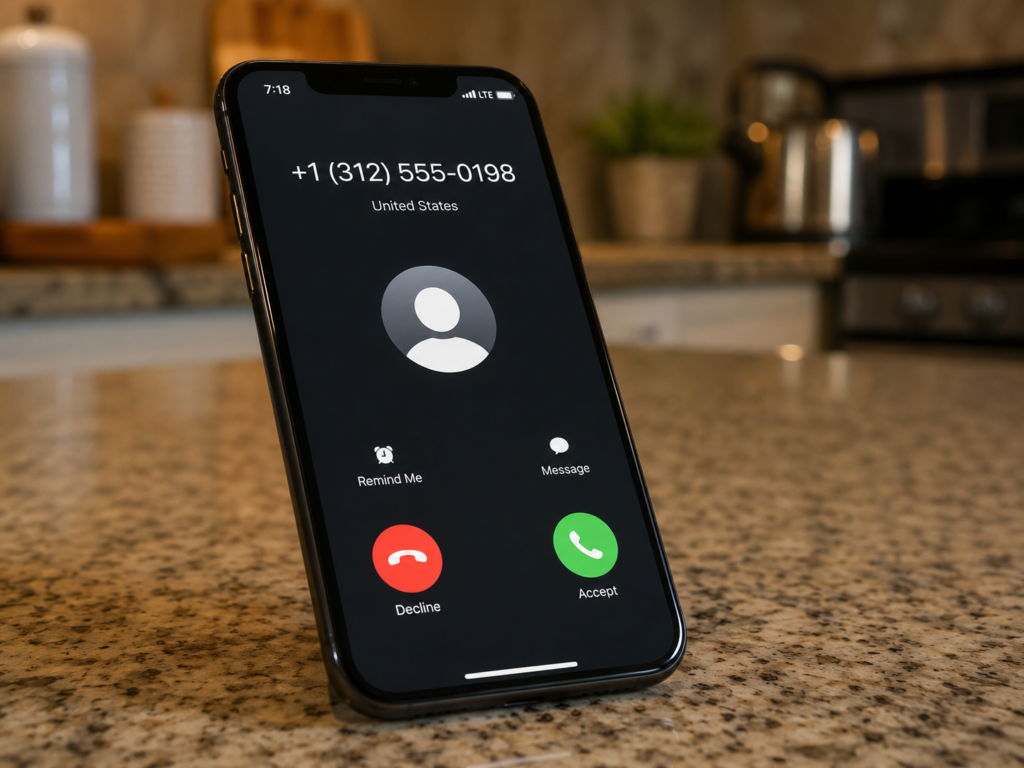
These scams involve callers claiming to be from the IRS, Social Security Administration, or Medicare, often threatening legal action or benefit loss unless immediate payment is made.
Warning signs: Legitimate government agencies don’t typically demand immediate payment via phone, threaten immediate arrest, or request payment through gift cards or wire transfers, making these specific tactics reliable red flags for this scam pattern.
Lottery and Sweepstakes Scams
This scam involves notification of a supposed prize win, requiring payment of “taxes” or “fees” before the prize can be released, which never actually materializes.
Warning signs: Any legitimate prize that requires upfront payment before receiving winnings represents a scam, since legitimate lotteries and sweepstakes deduct taxes from winnings rather than requiring advance payment from winners.
Home Repair and Contractor Scams
These scams often involve door-to-door solicitation for home repairs, sometimes claiming to have noticed a problem during other neighborhood work, then demanding upfront payment for work that’s substandard, unnecessary, or never actually completed.
Warning signs: Unsolicited door-to-door offers, pressure for immediate decisions or upfront payment, and reluctance to provide proper licensing information or written estimates all suggest this common scam targeting homeowners.
Investment and Financial Advisor Scams
These scams involve fraudulent investment opportunities promising unusually high returns, sometimes from someone posing as a legitimate financial advisor.
Warning signs: Promises of guaranteed high returns with minimal risk, pressure to invest quickly before an opportunity “disappears,” and reluctance to provide clear, verifiable credentials all warrant significant caution before any financial commitment.
Building Protective Systems for Your Parent
Beyond recognizing specific scam types, building broader protective systems provides more comprehensive protection against the constantly evolving tactics scammers develop.
What helps: Establishing a family rule that any request for money, regardless of the apparent source, gets verified independently before any payment is made — calling the actual family member directly at a known number, contacting the actual institution directly rather than using contact information provided by the caller — creates a consistent safeguard against numerous scam variations.
Having Ongoing, Non-Judgmental Conversations About Scams
Rather than a single warning conversation, ongoing, judgment-free discussion about current scam tactics helps keep awareness fresh and reduces the shame that might otherwise prevent a parent from reporting a suspicious contact or admitting they’ve already been targeted.
What helps: Regularly sharing news about current scam trends, without implying your parent is naive or incapable, and explicitly encouraging them to call you before responding to any unexpected financial request, builds a collaborative rather than paternalistic protective relationship.
Using Available Blocking and Screening Tools
Beyond conversation and awareness, various practical tools can reduce your parent’s exposure to scam attempts in the first place. Call-blocking apps and services can filter out many known scam numbers before they even reach your parent’s phone, registering on the National Do Not Call Registry can reduce legitimate telemarketing calls (though scammers often ignore this registry anyway), and email spam filters can catch many phishing attempts before they reach an inbox.
While no technical solution provides complete protection, combining these tools with the awareness and verification strategies discussed throughout this article creates multiple layers of defense, reducing both the volume of scam attempts your parent encounters and the likelihood that any single attempt succeeds despite getting through these initial technical barriers.
Building a Comprehensive Protection Approach
Rather than relying on a single strategy, combining scam awareness education, family verification protocols, and appropriate financial safeguards like transaction alerts or joint account monitoring where appropriate provides the most comprehensive protection against the wide range of tactics scammers employ.
For a broader look at broader financial planning conversations with aging parents, our article on power of attorney explained covers related legal tools that can provide additional financial protection.
According to the National Institute on Aging, older adults face significant risk from financial scams, making family awareness and proactive protective conversations an important part of comprehensive elder care.
Frequently Asked Questions
What should I do if I suspect my parent has already been scammed? Contact your parent’s bank immediately to potentially halt or reverse transactions, file a report with local police and the Federal Trade Commission, and approach your parent with compassion rather than blame, since scam victims often already feel significant shame and embarrassment.
How can I help protect my parent’s finances without taking away their independence? Collaborative approaches — like setting up transaction alerts they receive alongside you, or establishing a family verification rule together — tend to preserve dignity and independence better than unilaterally taking control of their finances without their genuine involvement and agreement.
Are certain types of scams more common with specific age groups? While scam tactics vary, romance scams and tech support scams have shown particular prevalence among older demographics, though virtually all scam types can and do target seniors, making broad awareness more valuable than narrow focus on just one or two specific scam types.
Should I set up account monitoring or alerts on my parent’s bank accounts? Many banks offer transaction alerts that can be sent to a trusted family member alongside the account holder, providing an additional layer of awareness without requiring full account control, which can be a reasonable middle-ground protective measure worth discussing openly and directly with your parent.
Conclusion
Common elder financial scams family caregivers should watch for span grandparent scams, tech support fraud, romance scams, and government impersonation, among others — all designed to exploit trust and urgency. Building awareness, establishing family verification protocols, and maintaining ongoing, judgment-free conversation about these tactics offers your parent genuine, meaningful protection against this significant and evolving threat, regardless of how sophisticated scammers’ tactics continue to become over time.
Approaching This Topic With Compassion, Not Fear
While scam awareness matters genuinely, approaching this topic in a way that creates excessive fear or anxiety, rather than practical, empowered awareness, isn’t the goal. Framing these conversations around genuine protection and collaboration, rather than frightening warnings that might make your parent feel incapable or overly anxious about everyday interactions, tends to produce more sustainable, effective protective awareness over the years ahead.