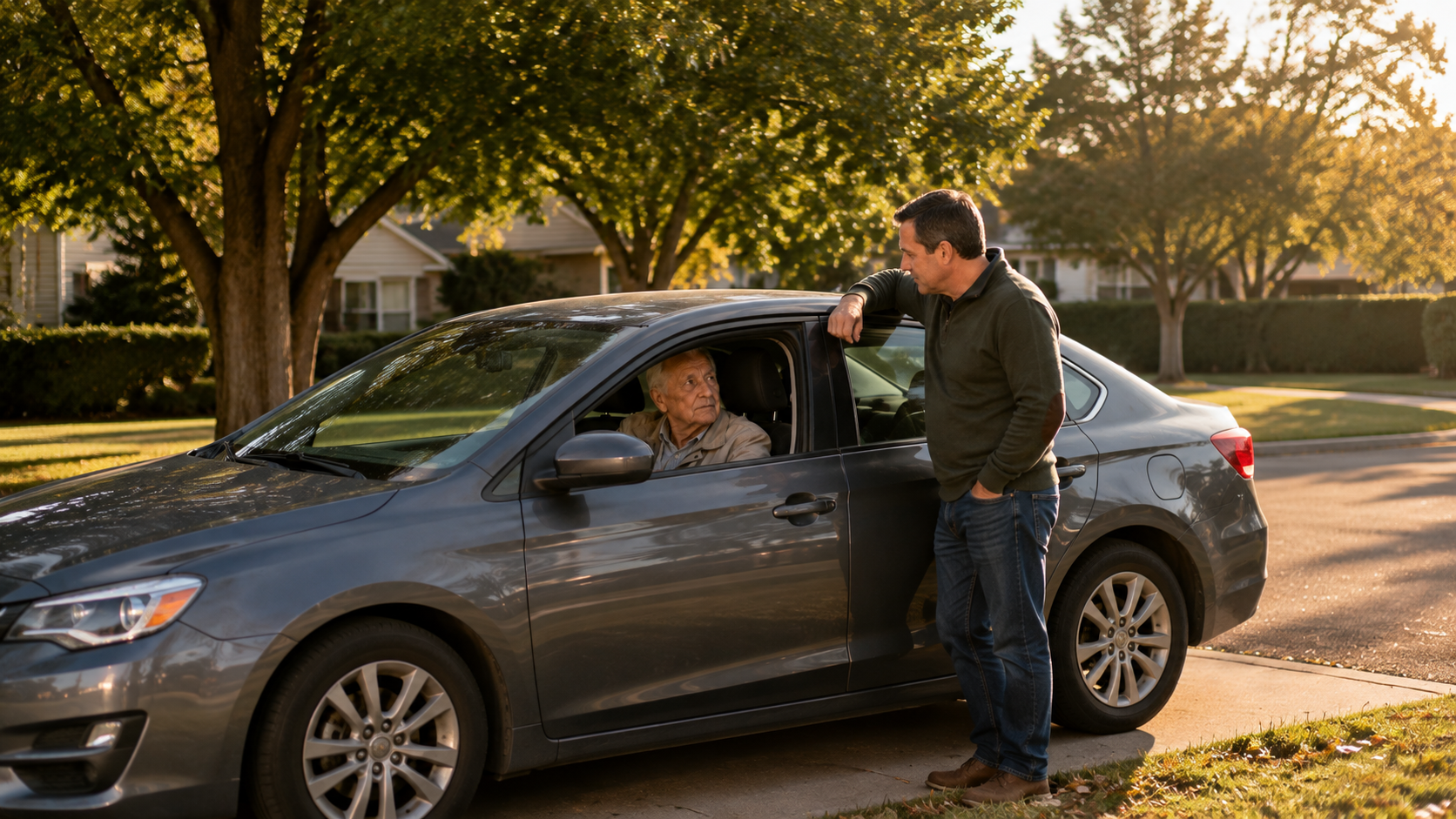
Should you take away the car keys? How to handle that conversation represents one of the most emotionally fraught questions many families face, since driving symbolizes independence and identity in ways that make this transition genuinely difficult, regardless of how clearly the safety concerns have become apparent to everyone else in the family.
Having supported countless families navigating this exact difficult transition, I want to walk through how to recognize when this conversation has become necessary, and genuine, compassionate strategies for handling it well.
Understanding Why Insight Often Diminishes With Cognitive Decline
One of the most challenging aspects of this conversation involves a specific feature of certain cognitive conditions — reduced insight into one’s own declining capacity, sometimes called anosognosia. This isn’t stubbornness or denial in the way we typically understand those terms; it’s a genuine neurological symptom where the very brain regions needed to accurately assess one’s own capacity become affected by the same underlying condition affecting driving safety itself.
Understanding this distinction can help you approach a parent’s insistence that they’re still safe to drive with more compassion and less frustration, recognizing that their genuine, sincere belief in their own continued capacity may not reflect willful denial, but rather an actual neurological limitation in self-assessment that makes this conversation particularly challenging to navigate through logic or evidence alone, since the very capacity needed to process and accept this evidence may itself be compromised.
How Community and Cultural Factors Shape This Conversation
The difficulty of this conversation often varies considerably based on where your parent lives and what transportation alternatives genuinely exist in their community. In areas with robust public transportation, walkable amenities, or strong informal community support networks, giving up driving, while still emotionally significant, may pose less severe practical challenges than in car-dependent suburban or rural areas where driving essentially represents the only viable way to access groceries, medical care, or social connection.
Recognizing this context matters both for genuinely understanding your parent’s resistance (which may reflect legitimate practical concern, not simply emotional attachment to driving) and for realistically planning what alternative transportation solutions will actually need to look like in your parent’s specific community and circumstances, rather than assuming generic alternatives will adequately address their genuine, location-specific practical needs.
Why This Conversation Feels So Difficult
Driving represents far more than simple transportation for most people — it symbolizes independence, competence, and control over one’s own life, making its loss feel like a significant blow to identity and autonomy, not simply a practical inconvenience. This emotional weight explains why even parents who intellectually understand safety concerns often resist giving up driving, and why this conversation frequently generates more conflict than other caregiving discussions.
Understanding this emotional dimension, rather than approaching the conversation as purely a practical safety matter, helps families navigate this transition with the genuine compassion and patience it requires.
Involving Multiple Family Members in This Conversation
For some families, this conversation carries more weight and credibility when it comes from multiple family members together, rather than a single adult child raising the concern in isolation, which can sometimes be dismissed as that one person’s individual worry rather than a genuinely shared family concern.
How to approach it: Coordinating with siblings or other close family members to present a unified, consistent message can help convey the seriousness of the concern, though this should be balanced with ensuring the conversation doesn’t feel like an overwhelming intervention-style confrontation, which can trigger defensiveness rather than genuine openness to the concern being raised collaboratively by people who love and care about the parent’s wellbeing.
Recognizing When Driving Has Genuinely Become Unsafe
Before addressing the conversation itself, it’s worth understanding what genuine warning signs suggest driving safety has become a legitimate concern, rather than assuming age alone determines when this conversation becomes necessary.
Warning signs to watch for: Multiple recent accidents or near-misses, new dents or scrapes on the vehicle without clear explanation, getting lost on familiar routes, difficulty with basic vehicle operation, increased anxiety or confusion while driving, and specific medical conditions (significant cognitive decline, certain vision or motor impairments) that directly affect driving capacity all represent legitimate signals worth taking seriously.
What to Do With the Actual Vehicle
Beyond the conversation itself, families sometimes face practical decisions about the physical vehicle once driving has stopped — whether to sell it, keep it for other family members’ use, or maintain it temporarily during a transition period. Some caregivers find that immediately removing the vehicle from the home reduces ongoing temptation or confusion, particularly for a parent with dementia who might not consistently remember that driving has been discontinued.
How to approach it: Discussing this practical next step alongside the initial conversation, rather than leaving the vehicle sitting unused in the driveway as an ongoing point of tension or confusion, tends to provide clearer closure and reduce the likelihood of the parent attempting to drive despite the agreement or decision that’s been reached, particularly relevant for those experiencing memory difficulties that might affect their ability to consistently recall this significant change.
Start With Observation, Not Assumption
Rather than assuming driving has become unsafe based on general aging concerns alone, gathering specific, concrete observations provides a more solid foundation for this difficult conversation.
How to approach it: If possible, riding along as a passenger occasionally provides direct observation of actual driving safety, rather than relying entirely on secondhand reports or general assumptions about age-related decline that may not accurately reflect this specific parent’s actual current driving capacity.
Involve Medical Professionals When Possible
A doctor’s assessment, particularly for parents managing dementia or other conditions specifically affecting driving-relevant capacities, can provide more objective, medically grounded input than family observation alone.
How to approach it: Many doctors can conduct or refer patients for formal driving assessments, providing an objective, professional evaluation that sometimes carries more weight and credibility with a resistant parent than family concerns alone, since it comes from a trusted, neutral medical authority rather than feeling like a personal family judgment.
Choose the Right Time and Setting for This Conversation
This conversation deserves careful timing and setting, rather than occurring reactively during a moment of frustration or immediately following a concerning incident.
How to approach it: A calm, private setting, away from other stressors, and ideally not immediately following a frightening incident (which can feel punitive rather than genuinely caring), tends to support a more productive conversation than an emotionally charged, reactive discussion.
Frame the Conversation Around Safety and Love, Not Incompetence
How you frame this conversation significantly affects how it’s received, with framing around safety and genuine care tending to land better than framing that implies general incompetence or failure.
How to approach it: Emphasizing specific safety concerns and genuine worry for their wellbeing, rather than general statements about their overall capability or independence, helps the conversation feel like an expression of care rather than a judgment about their competence as a person.
Offer Concrete Alternatives Before Removing the Option
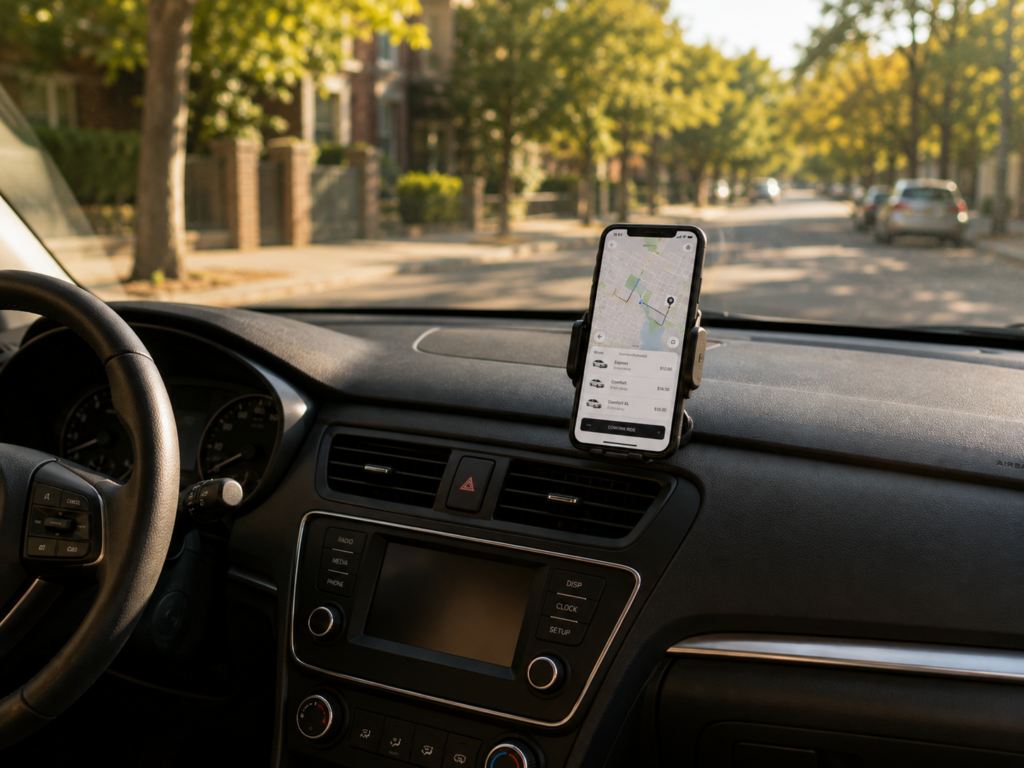
Simply removing driving without offering genuine alternative transportation solutions creates a significant, legitimate practical problem alongside the emotional difficulty of this transition.
How to approach it: Researching and presenting specific alternatives — rideshare services, public transportation options, family driving schedules, or senior transportation services — before or alongside this conversation helps address the genuine practical concern of “how will I get around” that often underlies resistance to giving up driving.
Consider a Gradual Transition When Appropriate
For situations where safety concerns are emerging but not yet severe, a gradual transition — limiting driving to familiar daytime routes, avoiding highway driving, or reducing overall frequency — sometimes provides a reasonable middle ground before complete cessation becomes necessary.
How to approach it: This gradual approach works best when safety concerns are moderate rather than severe or immediate, allowing for continued some independence while addressing genuine risk, though this should always be guided by actual safety assessment rather than simply avoiding a difficult conversation through partial half-measures.
When the Conversation Doesn’t Go Well
Despite best efforts, this conversation sometimes doesn’t go smoothly, particularly if a parent has limited insight into their own declining capacity or feels this represents a significant, unacceptable loss of autonomy.
How to approach it: In situations involving genuine safety risk where a parent refuses to stop driving, some families ultimately need to take more direct action — controlling access to keys or the vehicle itself — while others work with the parent’s doctor to have this recommendation come from a medical authority, which sometimes carries more weight than family requests alone.
Helping Your Parent Find New Sources of Purpose and Independence
Beyond simply addressing the transportation gap, it’s worth considering how giving up driving might affect your parent’s broader sense of independence and purpose, and thinking proactively about how to support these deeper needs alongside the practical transportation solution. This might mean helping them identify activities and social connections that remain accessible through the alternative transportation you’ve arranged, or exploring whether some independence can be preserved in other areas of their life to help offset this significant loss.
This broader perspective — addressing not just “how will they get around” but “how will they maintain independence and purpose” — tends to support a more complete, compassionate transition than focusing narrowly on the transportation logistics alone, recognizing that driving cessation often represents a meaningful loss extending well beyond the practical matter of getting from one place to another.
Building a Sustainable Approach to This Transition
Rather than treating this as a single, isolated conversation, recognizing that this transition often unfolds gradually, sometimes requiring multiple conversations and adjustments over time, tends to support a more realistic, sustainable approach to what represents a genuinely significant life change for your parent.
For a broader look at related conversations about aging safety, our article on how to bring up assisted living covers similar approaches for other significant, sensitive caregiving conversations.
According to the National Institute on Aging, addressing driving safety concerns directly, while offering alternative transportation solutions, supports both safety and continued quality of life for aging drivers who may no longer be able to drive safely.
Frequently Asked Questions
Is there a specific age when everyone should stop driving? No — driving capacity varies considerably by individual, meaning specific safety indicators and medical assessment matter more than age alone in determining when this conversation becomes necessary.
What if my parent has dementia but insists they’re still safe to drive? This is common, since dementia can affect self-awareness alongside driving capacity itself, making medical evaluation and, if necessary, involvement of the Department of Motor Vehicles for formal reassessment sometimes necessary when family conversation alone isn’t sufficient.
Can I legally take my parent’s car keys or report their driving to authorities? Laws vary by location, but many states allow family members or doctors to request formal driving reevaluation through the DMV, providing a legal pathway when direct family intervention alone doesn’t resolve genuine safety concerns.
How do I handle the anger or resentment that might follow this conversation? Some anger or resentment is a normal, expected response to this significant loss, and maintaining patience and continued emotional support, while holding firm on genuine safety concerns, tends to help the relationship recover over time even after initial difficult reactions and expressions of frustration or hurt.
Conclusion
Should you take away the car keys? How to handle that conversation ultimately depends on genuine safety assessment, thoughtful timing, and compassionate framing that acknowledges the genuine emotional weight of this transition. Approaching this difficult conversation with both honesty about safety concerns and genuine empathy for what your parent is losing offers the best path through this significant, often painful family transition.
Honoring the Genuine Loss This Transition Represents
Even when giving up driving is clearly the right, necessary decision for safety, it’s worth acknowledging that this represents a genuine loss for your parent, deserving compassion rather than simply relief that the safety concern has been resolved. Making space for your parent’s genuine grief about this loss, while still holding firm on the necessary safety decision, honors both the practical necessity and the emotional reality of this significant life transition.
Disclaimer: This article is intended for general informational and educational purposes only and does not constitute medical or legal advice. Please consult your loved one’s doctor regarding specific driving safety assessments and consult local DMV regulations for legal guidance in your area.