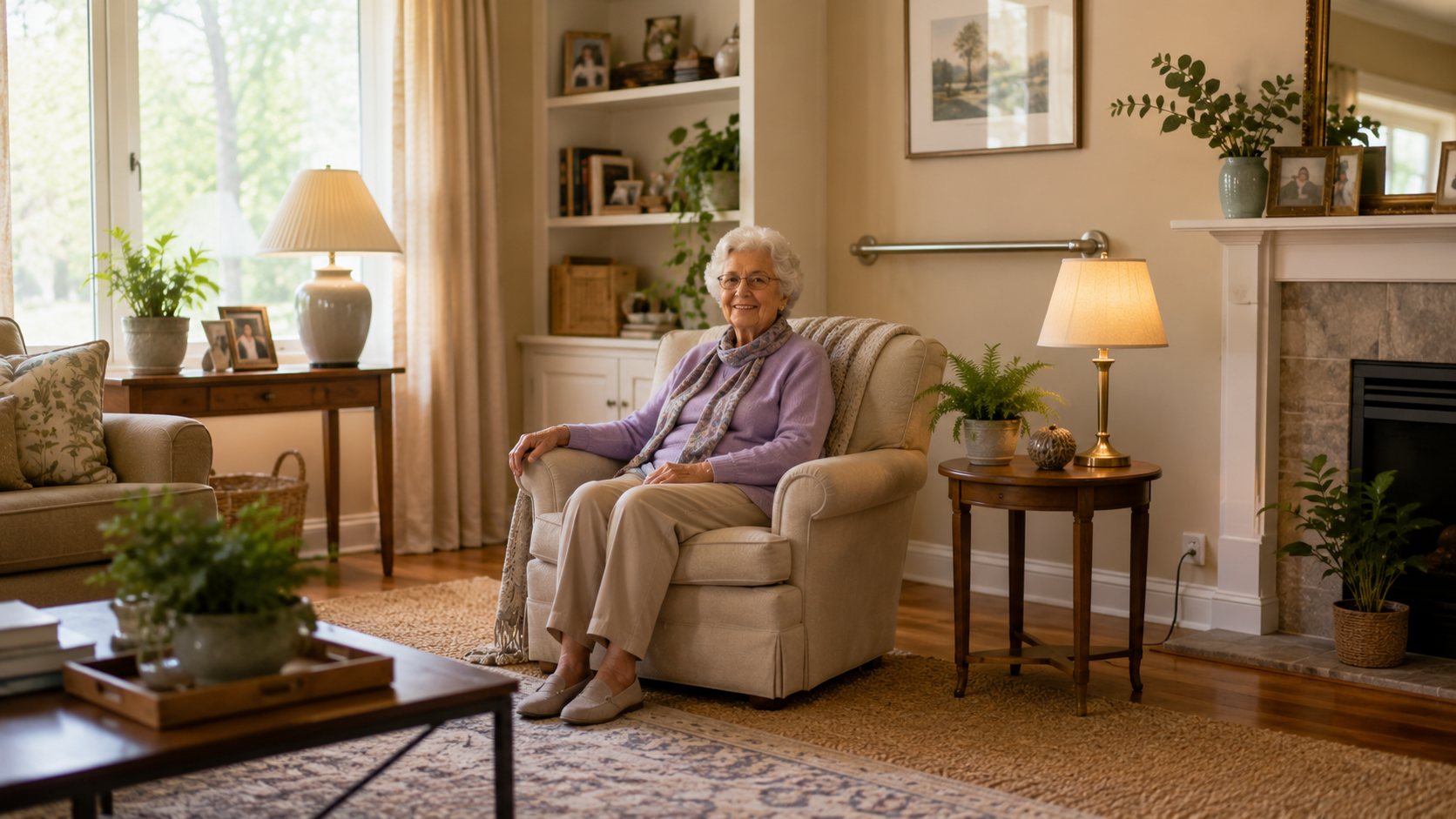
Learning how to childproof a home for dementia without making it feel like a hospital represents a genuine balancing act many families face — addressing real, significant safety concerns without stripping away the warmth, familiarity, and dignity of a space your loved one has called home, sometimes for decades.
Having supported countless families navigating exactly this challenge, I want to walk through practical, genuine safety modifications that protect your loved one while preserving the comforting, personal environment that continues to matter so significantly for someone navigating cognitive decline.
Why This Balance Matters So Much
For someone with dementia, familiar surroundings often provide genuine comfort and orientation, sometimes serving as one of the few remaining anchors to a sense of continuity and self as memory and cognition change. A home that suddenly feels clinical or unfamiliar, however safety-focused, can actually increase confusion, agitation, and distress, potentially undermining the very wellbeing these safety modifications are meant to protect.
Understanding this connection helps reframe the goal — not simply maximum safety at any cost, but genuine safety integrated thoughtfully within a space that still feels warm, familiar, and recognizably like home.
Understanding How Dementia Specifically Affects Home Safety Needs
Unlike general aging-related safety concerns, dementia introduces specific additional risks related to judgment, memory, and orientation that require particular attention beyond standard fall-prevention modifications. A person with dementia may forget that a stove burner is on, lose track of time in ways that lead to wandering, or misjudge depth and distance in ways that increase fall risk even in an otherwise well-lit, uncluttered space.
Understanding these dementia-specific risk factors, rather than applying generic elder safety modifications alone, helps ensure your home modifications genuinely address the particular challenges your loved one faces, rather than assuming standard aging-in-place safety measures alone provide adequate protection for the additional cognitive dimension dementia introduces to home safety planning.
Creating Designated Safe Wandering Space When Appropriate
For some individuals with dementia, particularly in mid-to-later stages, completely restricting movement can increase agitation, while creating a designated, secured area where safe wandering is possible can actually reduce distress and behavioral difficulties compared to complete restriction.
How to do it: A securely fenced backyard, a safely enclosed porch, or simply ensuring hallways and common areas within the home are genuinely safe for unsupervised movement allows your loved one to satisfy a common dementia-related urge to move and pace, without the genuine danger of leaving the home entirely unsupervised, addressing this specific behavioral pattern more effectively than restriction alone.
Address Fall Risks Without Obvious Medical Equipment
Falls represent one of the most significant safety concerns, but many fall-prevention modifications can be implemented without creating an obviously clinical appearance.
How to do it: Removing loose rugs (a common trip hazard) rather than adding visible warning tape, improving lighting through warm, attractive fixtures rather than harsh institutional lighting, and installing grab bars in bathrooms that come in finishes matching your existing decor all address genuine safety concerns while maintaining a residential, comfortable aesthetic.
Adapting the Bathroom Without Losing Its Character
Bathrooms present particular safety challenges — slippery surfaces, hard edges, and complex fixtures — while also being spaces where dignity and privacy matter enormously, making thoughtful adaptation particularly important in this specific room.
How to do it: Non-slip bath mats in attractive designs, grab bars in finishes that coordinate with existing fixtures, and raised toilet seats available in styles that don’t look overtly medical all address genuine safety needs while preserving as much of the bathroom’s normal, dignified appearance as possible, recognizing how much this particular space affects personal dignity and comfort beyond simple physical safety considerations alone.
Secure Hazardous Items Discreetly
Medications, cleaning supplies, sharp objects, and other genuinely hazardous items need securing, but this doesn’t require obvious locks or clinical storage systems visible throughout the home.
How to do it: Simple childproof cabinet locks, available in designs that blend with existing cabinetry, or relocating hazardous items to a single secured area (like a locked closet) rather than obviously securing every cabinet throughout the home, addresses genuine safety needs without transforming the entire living space into something that feels clinically restricted.
Reducing Overstimulation Through Thoughtful Design Choices
Beyond physical safety, environmental factors like excessive clutter, busy patterns, or overly stimulating decor can contribute to confusion and agitation for someone with dementia, making thoughtful simplification another dimension of genuinely supportive home modification.
How to do it: Reducing visual clutter in frequently used spaces, choosing calmer wall colors and patterns over busy, high-contrast designs, and minimizing unnecessary background noise from televisions or radios left on constantly all support a calmer, less overwhelming environment, contributing to genuine wellbeing alongside the more commonly discussed physical safety modifications.
Manage Stove and Kitchen Safety Thoughtfully
Kitchen safety, particularly stove-related risks, represents a common significant concern, but solutions exist that don’t require removing the kitchen’s familiar, homey character entirely.
How to do it: Stove knob covers or automatic shutoff devices can address safety concerns while the kitchen itself remains visually familiar and intact, rather than removing appliances entirely or creating an obviously modified, institutional-looking kitchen space that no longer resembles the familiar room your loved one has used for years.
Using Labels and Visual Cues Discreetly
Simple labels or visual cues can help someone with dementia navigate their home more independently, but these can be implemented in ways that feel supportive rather than clinical or infantilizing.
How to do it: Attractive, handwritten or printed labels in a font and style consistent with your home’s aesthetic, placed on items like cabinet doors or drawers, can support independence and reduce frustration, particularly in earlier stages, without needing to resemble the stark, generic labeling systems often associated with institutional care settings.
Address Wandering Risk Without Obvious Barriers
Wandering represents a genuine safety concern for many with dementia, but door and window security can be implemented more subtly than obvious padlocks or alarms.
How to do it: Door alarms that chime softly rather than blare loudly, keyed locks positioned at unusual heights (above typical sightlines) rather than obvious deadbolts, and window locks that blend with existing hardware all provide genuine security without creating the visual impression of confinement or institutional restriction.
Improve Lighting for Both Safety and Comfort
Adequate lighting significantly reduces fall risk and confusion, and can be achieved through warm, attractive lighting choices rather than harsh, clinical illumination.
How to do it: Warm-toned LED bulbs, nightlights in hallways and bathrooms, and ensuring adequate lighting in frequently used areas all support genuine safety while contributing to, rather than detracting from, a warm, comfortable home atmosphere.
Maintain Familiar Furniture and Personal Items
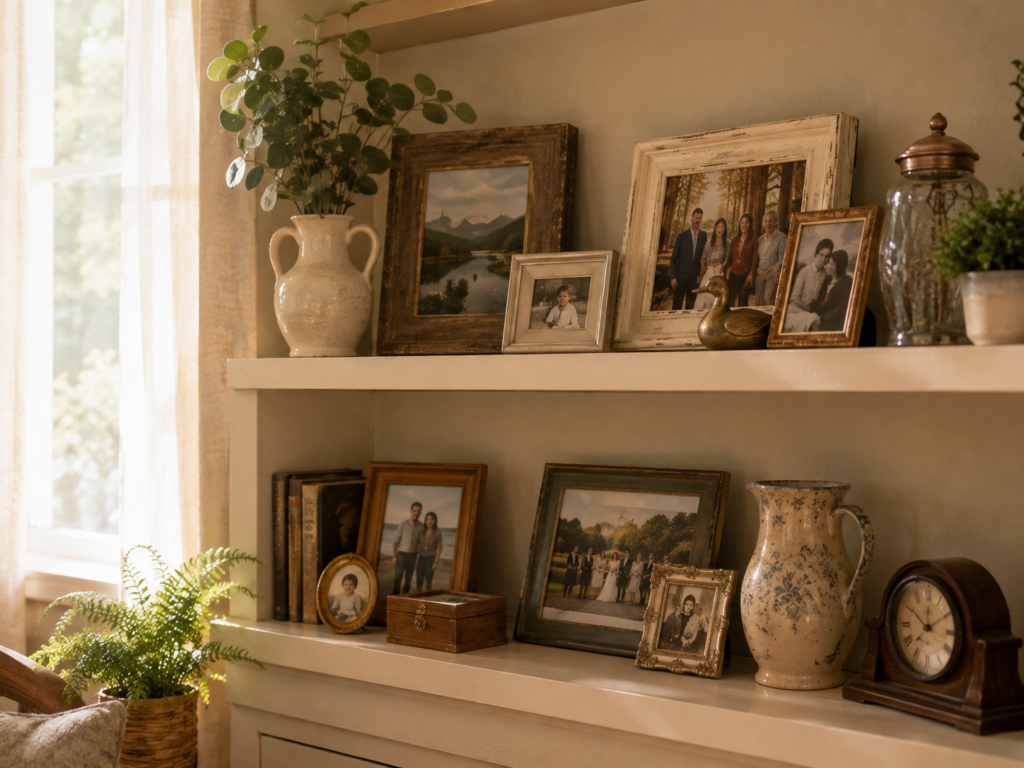
Rather than removing furniture or personal belongings out of excessive caution, maintaining familiar items, arranged thoughtfully for safety, helps preserve the recognizable, comforting environment that supports orientation and emotional wellbeing.
How to do it: Keeping cherished photos, familiar furniture arrangements, and personal items in place, while making targeted safety adjustments (securing furniture that could tip, removing specific trip hazards) rather than a wholesale removal of personal belongings, preserves the genuine “home” feeling that matters so significantly for someone navigating cognitive decline.
Use Color and Contrast Strategically
Certain color and contrast modifications can genuinely improve safety and navigation for someone with dementia without requiring an obviously clinical redesign.
How to do it: Ensuring clear color contrast between floors and walls, or between stair edges and the rest of the staircase, helps with depth perception and navigation, while these adjustments can be implemented through attractive paint colors or rugs rather than obvious high-contrast institutional markings.
Involve Your Loved One in the Process When Possible
When cognitive capacity allows, involving your loved one in safety modification decisions, rather than making changes unilaterally, tends to support both better outcomes and continued dignity and autonomy.
How to do it: Discussing specific changes directly, explaining the safety reasoning, and incorporating their preferences where possible helps modifications feel like collaborative care rather than something being done to them without their input or consent.
Budgeting for Home Safety Modifications Over Time
Home safety modifications can range from very inexpensive (cabinet locks, nightlights) to more significant investments (professional grab bar installation, smart home monitoring systems), making it worth approaching this as an ongoing, prioritized process rather than attempting every possible modification simultaneously. Starting with the most critical, highest-risk modifications, then gradually adding additional safety features as budget and need allow, tends to be both more financially manageable and more practically sustainable than an overwhelming, all-at-once approach to home safety planning.
Some modifications may also be covered or reimbursed through certain insurance plans, veterans benefits, or local aging services programs, making it worth researching available financial support before assuming all modification costs must come entirely out of pocket, particularly for more significant structural changes that can represent genuine financial investment for many families navigating this transition.
Building a Home That Balances Safety and Warmth
Rather than viewing safety and homeyness as competing priorities requiring difficult tradeoffs, recognizing that thoughtful, creative modifications can genuinely achieve both goals simultaneously supports a living environment that protects your loved one while continuing to feel like genuine home rather than a clinical care facility.
For a broader look at communication strategies that complement a safe home environment, our article on how to talk to someone with dementia without correcting or arguing covers related approaches for supporting your loved one throughout their time in this adapted space.
According to the National Institute on Aging, thoughtful home safety modifications support both physical safety and emotional wellbeing for individuals living with dementia throughout the condition.
Frequently Asked Questions
How do I know which safety modifications are genuinely necessary versus excessive? Starting with the most significant, common risks — falls, wandering, kitchen hazards — and consulting with an occupational therapist who specializes in home safety assessments can help identify genuinely necessary modifications specific to your loved one’s situation, rather than implementing every possible precaution regardless of actual risk level.
Will my loved one notice and become upset by safety modifications? This varies by individual and cognitive stage, but implementing changes gradually, explaining them when possible, and choosing subtle, aesthetically pleasing options rather than obvious clinical equipment tends to minimize distress and noticing compared to abrupt, obviously institutional changes made all at once.
Should I hire a professional for these home modifications? For more significant modifications, particularly those involving structural changes like grab bar installation, professional installation ensures genuine safety and proper function, though many smaller modifications can reasonably be completed independently by family members without specialized training.
How often should home safety be reassessed as dementia progresses? Given that needs typically change as the condition progresses, reassessing home safety every few months, or whenever you notice new concerning behaviors or incidents, helps ensure the home continues meeting your loved one’s evolving safety needs over time as their condition continues to change and develop.
Conclusion
How to childproof a home for dementia without making it feel like a hospital comes down to thoughtful, creative modifications that address genuine safety risks while preserving the warmth, familiarity, and dignity of home. This balanced approach protects your loved one’s physical safety while honoring the emotional and psychological importance of a genuinely comfortable, familiar living environment.
Remembering That Home Represents More Than Just a Physical Space
For someone navigating dementia, home often represents identity, comfort, and continuity in ways that become increasingly significant as other aspects of life feel less certain or familiar. Approaching safety modifications with genuine respect for this deeper meaning, rather than treating the home purely as a logistical safety problem to solve, honors both your loved one’s physical wellbeing and their continued dignity throughout this challenging, evolving journey.
Disclaimer: This article is intended for general informational and educational purposes only and does not constitute medical or professional home safety advice. Please consult an occupational therapist or dementia care specialist for guidance specific to your loved one’s individual needs.