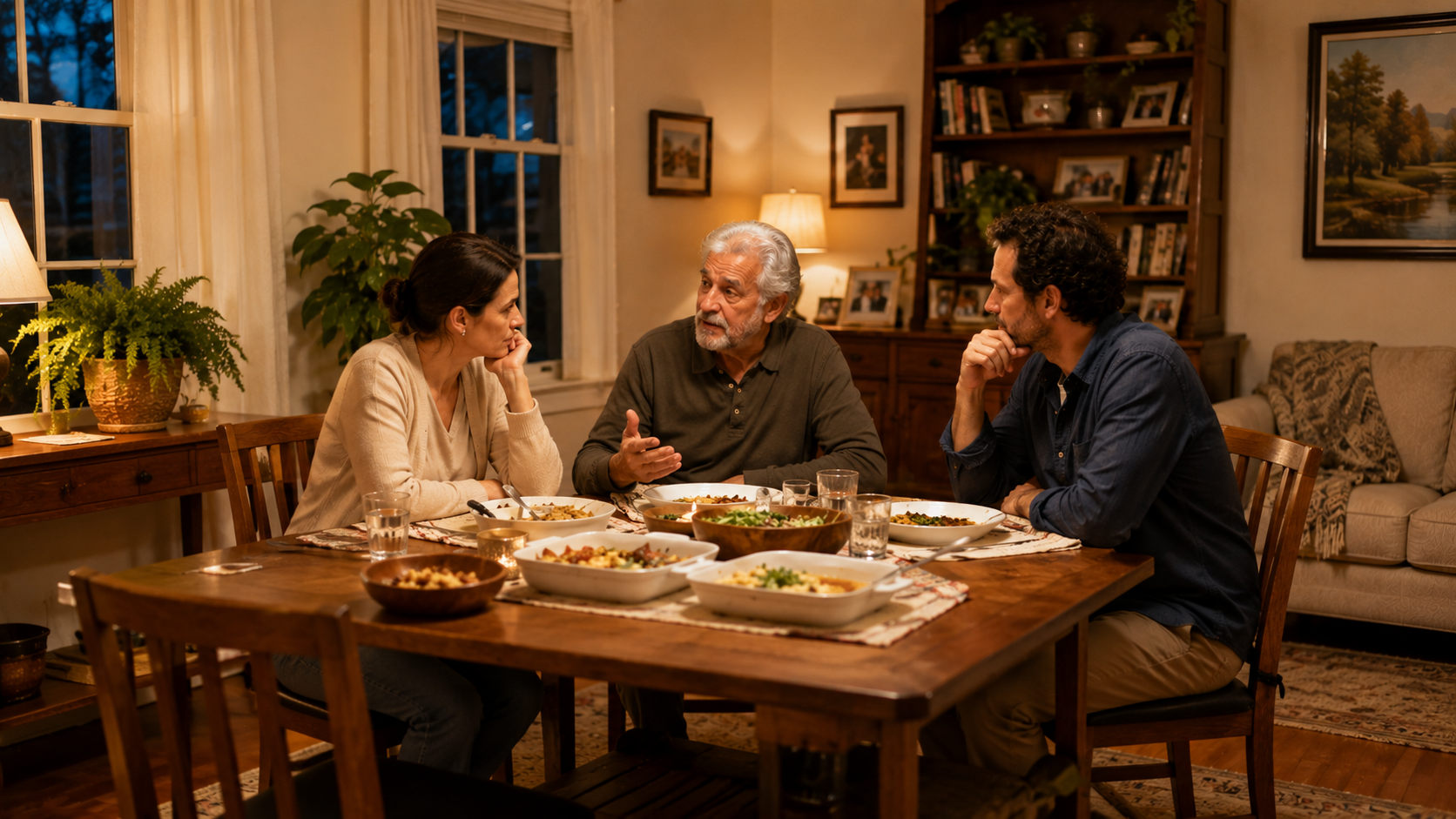
Learning how to handle sibling disagreements over a parent’s care represents one of the most emotionally charged challenges many families face, often surfacing old family dynamics alongside genuine differences in caregiving philosophy, availability, and values. These conflicts, left unaddressed, can cause lasting damage to family relationships that extends well beyond the caregiving period itself.
Having supported countless families navigating exactly this kind of conflict, I want to walk through why these disagreements happen so commonly, and practical strategies for handling them constructively rather than letting them fracture family bonds.
Why Sibling Caregiving Conflicts Are So Common
Caregiving decisions often surface genuine differences in values, risk tolerance, and priorities among siblings who may have quite different life experiences, financial situations, and relationships with the parent in question. Additionally, longstanding family dynamics — old rivalries, perceived favoritism, established roles from childhood — frequently resurface during caregiving decisions, adding emotional complexity well beyond the practical caregiving questions themselves.
Understanding that this conflict is genuinely common, rather than a sign of unique family dysfunction, can help you approach disagreements with more patience and less personal offense when they inevitably arise during this significant, often stressful family transition.
How Old Family Roles Resurface During Caregiving Decisions
Family systems research consistently shows that longstanding childhood roles — the responsible older sibling, the free-spirited younger one, the perpetual peacemaker — often reemerge powerfully during major family transitions like caregiving decisions, sometimes regardless of how much each sibling has genuinely grown and changed as an individual adult since childhood. This means current caregiving conflicts sometimes reflect decades-old family patterns rather than purely rational disagreement about the actual situation at hand.
Recognizing when an old family pattern seems to be replaying itself — a sibling automatically deferring or another automatically taking charge, regardless of who actually has the most relevant expertise or availability for a specific decision — can help families consciously interrupt this pattern, working toward decisions based on current reality and individual capacity rather than roles established decades earlier under entirely different family circumstances and childhood dynamics that may no longer accurately reflect who each sibling has become as an adult.
Setting Ground Rules for Difficult Conversations
Given how emotionally charged caregiving disagreements often become, establishing some basic ground rules before difficult conversations can help keep discussions constructive rather than descending into unproductive conflict or old family arguments unrelated to the actual caregiving decision at hand.
What this might include: Agreeing to speak one at a time without interrupting, focusing specifically on the caregiving issue rather than bringing up unrelated grievances, taking breaks if emotions become too heightened for productive conversation, and committing to reconvening rather than simply ending conversations in unresolved anger. These simple structural agreements, established proactively before a difficult conversation begins, can meaningfully improve the quality and productivity of family discussions around genuinely difficult caregiving decisions.
Identify Whether the Conflict Is About Values or Facts
Some disagreements stem from different factual understanding of the situation — one sibling may not realize how much decline has actually occurred, for example — while others reflect genuinely different values or priorities even when everyone shares the same understanding of the facts.
How to approach it: Taking time to clarify whether you’re disagreeing about what’s actually happening (a factual question, potentially resolved through better shared information) or about what should be done given agreed-upon facts (a values question, requiring genuine negotiation and compromise) helps target your conversation more effectively toward its actual source.
When Distance and Availability Create Genuine Tension
A particularly common source of sibling conflict involves differing levels of physical proximity and practical availability — the sibling living locally and providing hands-on care often develops different perspectives than siblings living farther away, sometimes leading to tension about whose viewpoint should carry more weight in decision-making.
How to approach it: Acknowledging directly that both firsthand daily experience and outside, less emotionally immersed perspective offer genuine value, rather than assuming either position is automatically more valid, tends to support more balanced decision-making than either deferring entirely to the local caregiver or dismissing their daily, lived experience in favor of more distanced input from siblings with less direct, ongoing involvement in the actual day-to-day caregiving reality.
Distribute Caregiving Research and Decision-Making Collaboratively
Conflicts sometimes arise not from fundamental disagreement, but from one sibling feeling excluded from decisions or lacking adequate information that another sibling has access to.
How to approach it: Actively sharing information, research, and decision-making opportunities among all involved siblings, rather than one person making unilateral decisions and simply informing others afterward, tends to reduce conflict stemming from feeling excluded or uninformed rather than genuine disagreement about the actual decisions themselves.
Recognizing When to Let Go of Being “Right”
Some caregiving disagreements ultimately involve genuinely reasonable alternative approaches, where no single position is objectively correct, but rather reflects different reasonable values or risk tolerances. In these situations, continuing to insist on being right, even when your position genuinely has merit, sometimes matters less than reaching a workable, shared decision that allows the family to move forward together.
This doesn’t mean abandoning genuine concerns about your parent’s safety or wellbeing, but it does mean recognizing when a disagreement has become more about winning an argument than about genuinely finding the best path forward, at which point stepping back from the need to be right can serve both the relationship and, ultimately, more effective collaborative caregiving than continued insistence on a single “correct” position when reasonable people could genuinely disagree.
Acknowledge the Legitimate Perspective Behind Different Positions
Even when you disagree with a sibling’s position, most caregiving disagreements involve some legitimate underlying concern or value, even if you’d weigh the relevant factors differently.
How to approach it: Explicitly acknowledging what’s legitimate about your sibling’s concern, even while disagreeing with their conclusion, tends to reduce defensiveness and create more productive dialogue than dismissing their perspective entirely, which typically entrenches conflict rather than moving toward resolution.
Separate the Parent’s Wishes From Sibling Preferences
Sometimes sibling disagreements inadvertently center more on what siblings personally prefer than on what the parent themselves actually wants, particularly if the parent’s own wishes haven’t been clearly and directly established.
How to approach it: When possible, directly asking your parent about their own preferences, rather than assuming or arguing about what they would want, can help ground the conversation in their actual wishes rather than competing sibling assumptions or preferences that may not accurately reflect what the parent themselves genuinely wants.
Consider Family Mediation for Persistent Conflicts
For conflicts that resist resolution through direct family conversation, professional family mediation can provide structured, neutral facilitation that helps move beyond entrenched positions.
How to approach it: This doesn’t indicate family failure — mediators specifically trained in family or elder care conflicts can help identify underlying interests beneath surface positions, facilitating solutions that direct family conversation alone hasn’t been able to reach, particularly valuable when conflict has become significantly entrenched or emotionally charged.
Establish Clear Decision-Making Processes in Advance
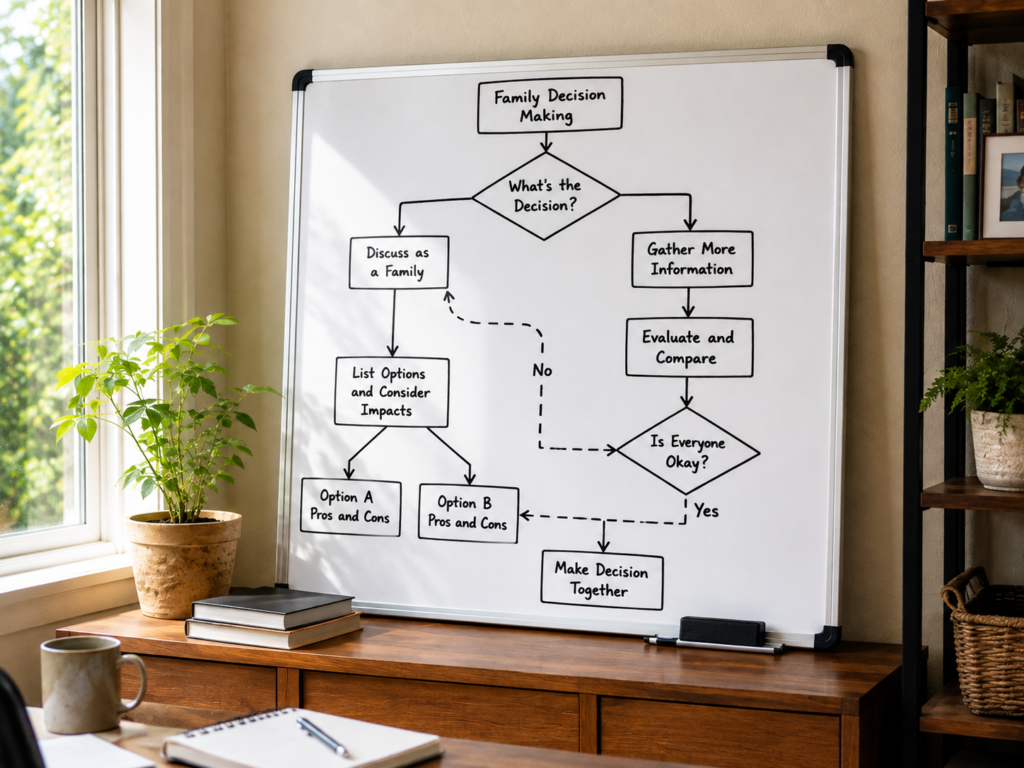
Rather than navigating each decision reactively, establishing clearer processes for how major caregiving decisions will be made — consensus, majority vote, deferring to whoever has power of attorney — can reduce ongoing conflict about the decision-making process itself.
How to approach it: Having this conversation explicitly, ideally before a major decision becomes urgently necessary, provides a clearer framework for future decisions, reducing the additional layer of conflict that emerges when families haven’t agreed on how decisions should actually be made in the first place.
Protect the Relationship, Not Just the Decision
While reaching good caregiving decisions matters, preserving genuine family relationships throughout this process matters just as significantly, particularly given how long these relationships typically extend beyond the caregiving period itself.
How to approach it: Periodically stepping back to ask whether your approach to a specific disagreement is protecting or damaging your relationship with your sibling, beyond simply winning the specific caregiving argument at hand, helps maintain perspective on what ultimately matters most across the full span of your family relationship.
Repairing the Relationship After a Significant Conflict
Even with the best intentions and strategies, significant conflicts sometimes occur that leave lasting strain on sibling relationships. If this has happened in your family, actively working toward repair — through honest conversation about what happened, genuine apology where warranted, and rebuilding trust gradually over time — matters considerably for the long-term health of your family relationships, extending well beyond whatever specific caregiving decision originally sparked the conflict.
This repair process often takes genuine time and patience, and may benefit from professional support through family therapy if the rupture feels particularly significant or longstanding. Recognizing that repair is possible, even after genuinely difficult conflict, can provide hope and motivation for doing this important relational work, rather than assuming a significant disagreement has permanently and irreparably damaged the relationship between siblings who ultimately share deep history and connection beyond just the caregiving conflict itself.
Building a Sustainable Approach to Ongoing Family Decision-Making
Rather than treating each disagreement as an isolated conflict to resolve and move past entirely, recognizing that caregiving involves an ongoing series of decisions requiring continued collaboration tends to support building genuinely sustainable family processes rather than repeatedly starting from scratch with each new decision point throughout an extended caregiving journey.
For a broader look at the related financial dimension of sibling caregiving dynamics, our article on splitting caregiving costs with siblings covers complementary strategies for navigating financial disagreements specifically.
According to the National Institute on Aging, clear communication and collaborative decision-making among family members significantly supports more sustainable caregiving arrangements and stronger family relationships over time.
Frequently Asked Questions
What if one sibling refuses to compromise at all? This may require involving a neutral third party like a mediator or family counselor, and in some cases, may require the other siblings to move forward with decisions despite one sibling’s continued disagreement, particularly when the parent’s wellbeing requires timely action.
How do we handle it when the sibling doing the most hands-on caregiving disagrees with siblings who are less involved? The primary caregiver’s firsthand knowledge and daily experience deserves significant weight in these discussions, though this doesn’t mean their preferences should automatically override all other input, making balanced, respectful dialogue important even when one sibling has more direct caregiving involvement than others.
Should we involve our parent directly when siblings disagree about their care? When your parent retains capacity to participate in these decisions, involving them directly, rather than deciding on their behalf without their input, generally produces better outcomes and respects their autonomy and continued right to have input on decisions affecting their own life.
What if sibling conflict is affecting our parent’s wellbeing directly? If visible family conflict is causing your parent distress, this deserves direct acknowledgment and effort to resolve or at least contain the conflict during interactions with your parent, potentially including professional mediation if the family cannot manage this independently and the ongoing tension continues affecting your parent’s emotional wellbeing.
Conclusion
How to handle sibling disagreements over a parent’s care comes down to distinguishing factual from values-based disagreements, sharing information collaboratively, acknowledging legitimate perspectives, and protecting family relationships alongside good decision-making. This thoughtful, patient approach offers your family the best chance of navigating caregiving decisions while preserving the relationships that matter long after the caregiving period ends.
Remembering That You’re All Ultimately on the Same Side
During heated caregiving disagreements, it can help to remember that, despite the conflict, all involved siblings typically share the same fundamental goal — genuinely wanting the best for your shared parent. Returning to this shared foundation, even amid genuine disagreement about the specific path forward, can help soften conflict and remind everyone involved that you’re ultimately collaborators facing a difficult situation together, not adversaries working against each other.
Disclaimer: This article is intended for general informational and educational purposes only and does not constitute legal or medical advice. Please consult appropriate professionals regarding your family’s specific caregiving decisions or legal planning needs.