
What nobody tells you about grieving a parent who’s still alive is just how real, disorienting, and profoundly isolating this specific kind of grief actually is. Unlike the grief that follows death, this experience — sometimes called ambiguous loss — involves mourning someone who remains physically present while the person you knew has changed in ways that can feel like a genuine, ongoing loss, often without the social recognition or support that grief after death typically receives.
Having supported countless families navigating dementia, severe illness, and other conditions that fundamentally change a parent, I want to name this experience honestly, since so few people discuss it openly despite how common and genuinely difficult it is.
How This Grief Can Show Up Unexpectedly
Ambiguous loss often ambushes caregivers in unexpected moments — a familiar song your parent no longer recognizes, a holiday tradition that no longer holds the same meaning, or simply a fleeting glimpse of your parent’s old expression that reminds you sharply of who they used to be. These moments can trigger sudden, intense waves of grief that feel disorienting precisely because they arrive without warning, in the middle of otherwise ordinary caregiving tasks.
Recognizing that these unexpected grief triggers are a normal, common part of this experience — rather than something concerning or unusual about your own emotional response — can help you navigate them with more self-compassion when they occur, rather than being caught off guard by both the grief itself and confusion about why it’s happening in that particular moment, triggered by something that might seem, from the outside, relatively minor or unremarkable.
The Complicated Experience of Relief Alongside Grief
Some caregivers experience a particularly difficult, often unspoken combination of grief alongside moments of relief — relief when a difficult caregiving day ends, relief imagining eventual release from caregiving demands, or even, in some cases, anticipatory relief regarding an eventual death. This combination often generates profound guilt, since relief feels like it shouldn’t coexist with genuine love and grief, though in reality, this combination is a well-documented, common experience among caregivers facing genuinely difficult, prolonged circumstances.
Understanding that relief and grief can coexist, without one negating the authenticity of the other, matters considerably for caregivers who’ve felt intense shame about experiencing both simultaneously. This isn’t a sign of inadequate love — it’s simply an honest reflection of how complex, layered emotions genuinely work when navigating a prolonged, difficult caregiving journey involving significant ongoing loss.
Understanding Ambiguous Loss
Ambiguous loss, a term developed by researcher Pauline Boss, describes loss that lacks clear resolution or closure — the person is physically present but psychologically or relationally changed, sometimes significantly. This differs fundamentally from the grief that follows death, which, while devastating, typically involves a clear, defined loss that eventually allows for a grieving process with some recognized endpoint or resolution.
Understanding this concept can provide genuine validation for caregivers who’ve sensed that what they’re experiencing doesn’t fit neatly into commonly understood grief narratives, helping name an experience that often goes unrecognized, even by the person experiencing it themselves.
Why This Grief Often Goes Unacknowledged
Society generally provides recognized support and accommodation for grief following death — bereavement leave, sympathy cards, community support. Ambiguous loss, by contrast, typically receives none of this recognition, since the person is still alive, leaving caregivers to navigate genuine grief without the social scripts, support, or validation that death-related grief typically receives.
This lack of recognition often leaves caregivers feeling isolated in an experience that, while common among those caring for parents with dementia or significant illness, feels intensely private and confusing without a clear framework for understanding or discussing it.
How Siblings Sometimes Experience This Grief Differently
Within the same family, siblings often experience ambiguous loss quite differently, depending on factors like their relationship history with the parent, how much direct caregiving involvement they have, and simply individual differences in how people process this particular kind of loss. This can sometimes create tension or misunderstanding among siblings, particularly if one sibling seems to have “moved on” or adjusted more quickly than another, or if one sibling’s grief expression looks quite different from another’s.
Recognizing that there’s no single “correct” way to experience or express this grief, and that different siblings may be at different points in their own process, even while facing the same parent’s same changes, can help family members extend more patience and understanding toward each other during this genuinely difficult, individually variable experience, rather than assuming everyone should be grieving in the same way or on the same timeline.
Grieving the Relationship You Used to Have
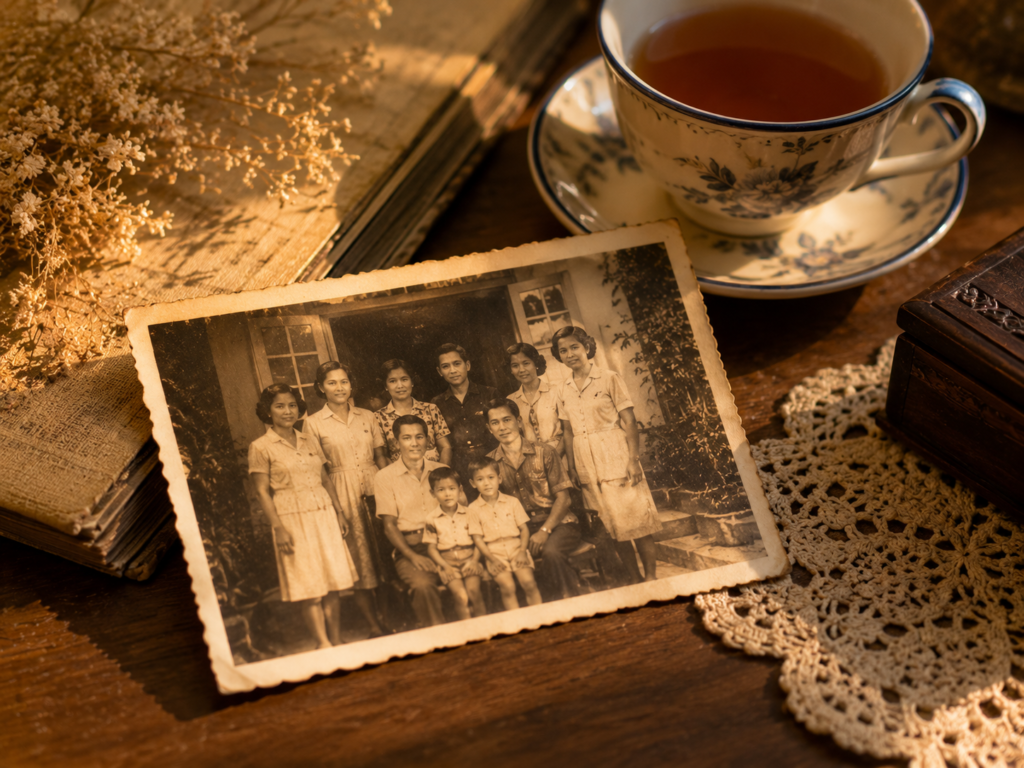
Particularly common in dementia caregiving, this involves mourning the loss of your parent’s personality, memories, and the specific relationship dynamic you once shared, even while providing daily care for their physical body.
What this feels like: You might find yourself grieving conversations you can no longer have, jokes they can no longer understand, or simply the person who used to offer you advice or comfort, now unable to fill that role in the way they once did, creating a genuine, ongoing sense of loss despite their continued physical presence in your life.
Grieving Future Moments That Will Never Happen
Beyond mourning the past relationship, many caregivers experience grief for anticipated future moments now permanently altered or lost — milestones, future conversations, or simply the parent they’d imagined having in later years.
What this feels like: This might involve grieving that your parent won’t remember your children’s milestones, won’t offer guidance during your own future challenges, or simply won’t be present in the way you’d always assumed, representing a genuine loss of anticipated future connection, not just present-moment change.
Finding Ways to Honor Both Who They Were and Who They Are Now
Rather than choosing between honoring your parent’s past self or accepting their current reality, many caregivers find it genuinely helpful to hold both simultaneously — creating space to remember and celebrate who your parent was, through stories, photographs, or simply memory, while also being fully present with who they are now, without forcing either experience to override or diminish the other.
This might mean maintaining a photo album or memory box that honors their past life and personality, while also finding genuine moments of connection with who they are today, even if that connection looks quite different from the relationship you once shared. This dual honoring — of past and present — tends to feel more emotionally honest and sustainable than an approach that requires either clinging exclusively to the past or entirely abandoning it in favor of only the present reality.
The Guilt That Often Accompanies This Grief
Many caregivers feel significant guilt about grieving someone who’s still alive, sometimes believing this grief indicates giving up or a lack of continued love and commitment.
What this feels like: This guilt often intensifies the isolation of ambiguous loss, since caregivers may hide their genuine grief, believing it reflects poorly on their love or dedication, when in reality, this grief coexists entirely naturally alongside continued love and commitment to providing care.
The Exhausting Cycle of Repeated Loss
Unlike death’s single, defined loss, ambiguous loss often involves repeated, ongoing grief as a condition progresses, requiring caregivers to grieve the same relationship repeatedly as further changes occur.
What this feels like: Just as you adjust to one level of change, further decline may occur, requiring the grieving process to begin again, creating an exhausting, seemingly endless cycle that differs significantly from the more linear grieving process typically associated with a single, defined loss like death.
Finding Language for This Experience
Simply having language for this experience — knowing it has a name and that others have experienced it — often provides significant relief for caregivers who’ve felt confused or ashamed by feelings that didn’t fit familiar grief narratives.
What helps: Learning the term “ambiguous loss” and researching this concept further, potentially through Pauline Boss’s writing specifically on this topic, can provide validating language and framework for an experience that often lacks this kind of clear articulation in everyday conversation.
Rituals That Can Help Process This Ongoing Grief
Some caregivers find genuine benefit in creating small, personal rituals that acknowledge this ongoing grief, even without a formal event like a funeral to mark it. This might include journaling regularly about specific memories or changes you’re noticing, lighting a candle on particularly difficult days, or simply setting aside brief, intentional time to acknowledge what’s been lost, rather than letting this grief remain entirely unspoken and unmarked throughout the ongoing caregiving experience.
These personal rituals don’t need to follow any prescribed format — the goal is simply creating some intentional space to acknowledge genuine loss, since ambiguous loss often lacks the built-in rituals (funerals, memorial services, sympathy visits) that help process grief following death. Building your own version of this acknowledgment, however small or private, can provide meaningful structure for processing an experience that otherwise might remain entirely internal and unexpressed throughout months or years of ongoing caregiving.
Connecting With Others Who Understand This Specific Grief
Support groups specifically for caregivers of those with dementia or other significant cognitive or personality changes often provide the most genuine understanding of this particular grief experience.
What helps: These groups, whether in person or online, connect you with others navigating this exact kind of loss, providing validation and community that friends without similar caregiving experience, however well-meaning, often simply cannot provide in the same way.
Building Space for This Grief Within Ongoing Caregiving
Rather than assuming grief and continued caregiving are somehow incompatible, recognizing that both can genuinely coexist — that you can grieve real losses while continuing to provide loving, committed care — offers a more honest, sustainable framework for navigating this difficult, ongoing experience.
For a broader look at the exhaustion that often accompanies this grief, our article on caregiver burnout is real covers related emotional and physical demands that frequently compound with ambiguous loss.
According to the National Institute on Aging, the emotional toll of caregiving, including grief for changes in a loved one, represents a genuine, significant experience deserving acknowledgment and support.
Frequently Asked Questions
Is it normal to grieve a parent who’s still physically alive? Yes — this experience, known as ambiguous loss, is genuinely common among caregivers, particularly those caring for a parent with dementia or significant illness that has fundamentally changed the relationship or the person themselves.
Does feeling this grief mean I’ve given up on my parent? No — this grief typically coexists with continued love, commitment, and care, and doesn’t indicate giving up; rather, it reflects an honest emotional response to genuine, significant changes you’re witnessing and experiencing.
How is this different from anticipatory grief before an expected death? Anticipatory grief typically involves preparing for an eventual, expected death, while ambiguous loss specifically involves grieving changes that have already occurred while the person remains alive, sometimes for years, without the clear endpoint anticipatory grief eventually reaches.
Should I seek professional support for this specific kind of grief? If this grief feels overwhelming or significantly affects your daily functioning, a therapist experienced with ambiguous loss or caregiver-specific concerns can provide valuable, specialized support beyond what self-directed coping alone typically offers, particularly given how isolating and confusing this experience can feel without proper guidance.
Conclusion
What nobody tells you about grieving a parent who’s still alive is that this experience, while genuinely common among caregivers, often goes unrecognized and unsupported by broader society. Understanding ambiguous loss, connecting with others who share this experience, and allowing yourself to grieve honestly, alongside continued love and care, offers a more sustainable, validated path through this genuinely difficult emotional terrain.
Permission to Hold Both Grief and Love Simultaneously
Perhaps the most important thing to understand about this experience is that grief and love aren’t opposites — they can exist together, fully and honestly, without one diminishing the other. Giving yourself permission to grieve real losses while continuing to love and care for your parent, rather than believing you must choose one emotional experience over the other, offers genuine relief for a burden that so many caregivers carry silently and alone.
Disclaimer: This article is intended for general informational and educational purposes only and does not constitute medical or mental health advice. If grief or caregiving stress significantly affects your wellbeing, please consult your doctor or a mental health professional.