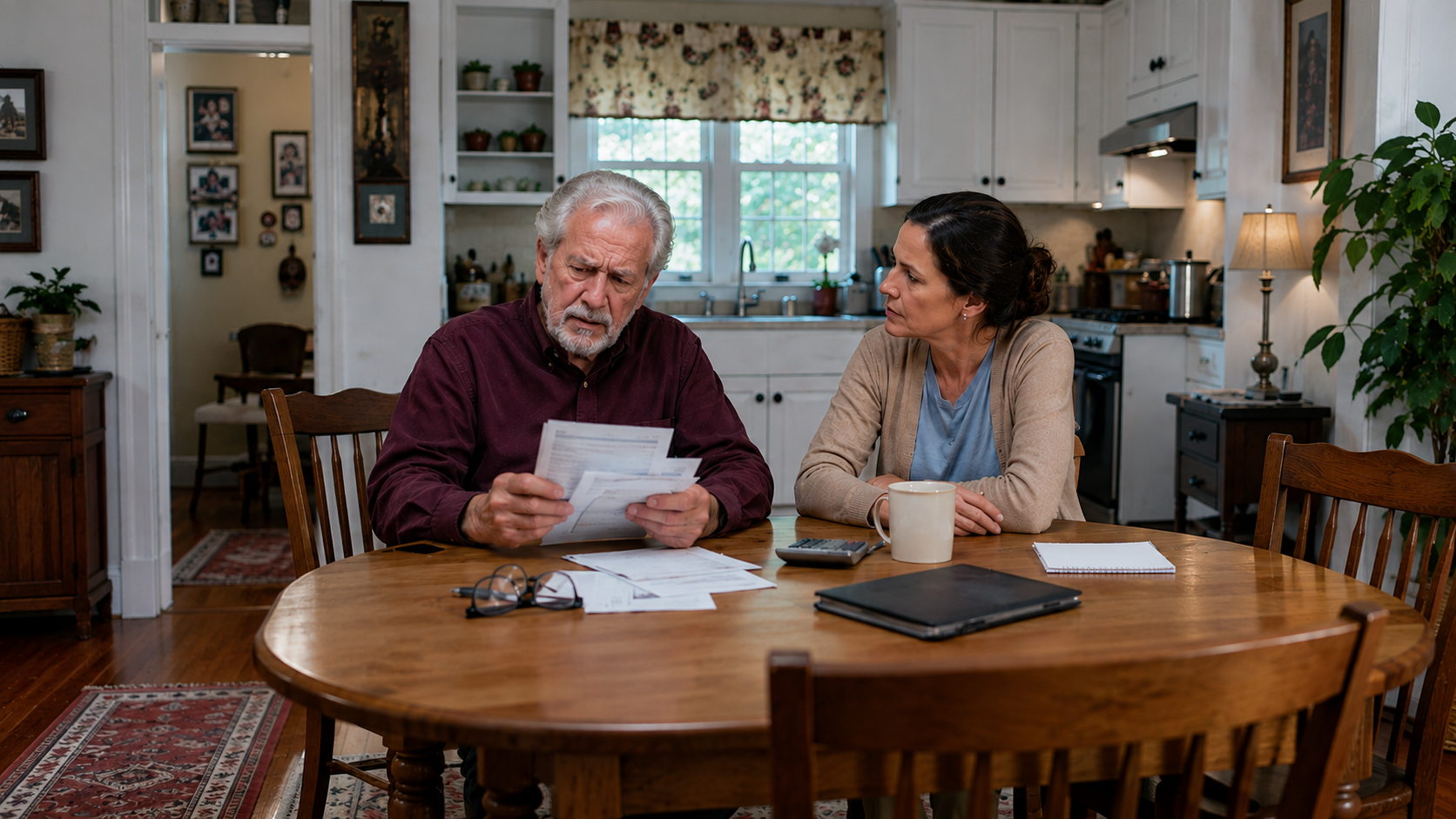
Learning how to talk to someone with dementia without correcting or arguing represents one of the most valuable, if counterintuitive, communication skills family caregivers can develop over time. The instinct to correct factual errors or argue against confused statements feels natural, but this approach frequently causes genuine distress without providing any real benefit, while gentler alternative approaches can preserve dignity and reduce conflict significantly.
Having supported countless families learning this specific communication approach, often after considerable initial frustration with more conventional communication methods, I want to walk through why traditional correction doesn’t work well with dementia, and what genuinely helps instead of it.
The Underlying Philosophy Behind This Communication Approach
This communication approach draws heavily from what dementia care specialists call “validation therapy,” a framework developed specifically for supporting people with cognitive decline by prioritizing emotional truth over factual accuracy. The underlying philosophy recognizes that as dementia progresses, a person’s capacity to engage with objective, external reality genuinely diminishes, while their emotional experience and need for connection, comfort, and dignity remains entirely intact throughout the progression of the condition.
Understanding this philosophical foundation can help you approach specific communication techniques not as isolated tricks, but as expressions of a broader, more compassionate orientation toward your loved one’s experience — one that prioritizes their genuine wellbeing and dignity over an insistence on shared, objective factual accuracy that they may no longer have the cognitive capacity to meaningfully engage with or benefit from.
Common Mistakes Even Well-Intentioned Caregivers Make
Even caregivers who genuinely understand and want to apply these communication principles often slip into certain common patterns worth specifically watching for. These include over-explaining when a brief response would suffice, unconsciously testing memory through seemingly innocent questions, growing visibly frustrated when repetition occurs (even when trying to mask this frustration), and reverting to correction during moments of particular stress or exhaustion when patience feels harder to access.
Recognizing these common patterns in advance, rather than assuming you’ll consistently apply ideal communication techniques without any lapses, can help you approach your own inevitable imperfect moments with more self-compassion, treating these as expected, normal parts of learning this genuinely difficult skill rather than personal failures requiring harsh self-criticism.
Why Correcting and Arguing Typically Backfire
When someone with dementia makes a factually incorrect statement — insisting a deceased spouse is still alive, or believing they’re at a different point in time — the instinct to correct them stems from genuine care and a desire to help them understand reality accurately. However, dementia often impairs the specific cognitive capacity needed to process and retain corrections, meaning the person frequently can’t actually integrate the corrected information, regardless of how patiently or clearly it’s explained.
Worse, correction often causes the person to relive difficult emotions repeatedly — imagine learning of a spouse’s death for what feels like the first time, again and again — while frequently triggering defensiveness, confusion, or genuine distress that serves no beneficial purpose, since the correction typically doesn’t produce lasting understanding anyway.
Understanding the Concept of “Their Reality”
Rather than insisting on objective, factual reality, many dementia care experts recommend meeting the person within their own subjective experience or reality, which may not align with current objective facts but represents their genuine, felt experience in that moment.
Why this matters: This doesn’t mean deceiving the person maliciously — it means recognizing that their brain is processing reality differently, and that meeting them within their experience, rather than insisting on external correction, tends to reduce distress and preserve connection more effectively than repeatedly forcing confrontation with corrected facts they cannot actually retain or process.
Practicing With Support From Others
Given how counterintuitive this communication style can feel initially, practicing with support from others — a dementia support group, a professional counselor, or simply observing an experienced dementia care professional in action — can help you develop genuine comfort and skill more effectively than attempting to learn purely through independent trial and error during actual, often emotionally charged interactions with your own loved one.
Many memory care facilities and dementia organizations offer specific communication training for family caregivers, sometimes through workshops or informational sessions specifically designed to help families develop these skills in a supportive, educational context before applying them during genuine, sometimes stressful real-world interactions with their loved one.
Using Redirection Instead of Direct Correction
Rather than directly contradicting a confused statement, redirecting the conversation toward a related, less distressing topic often provides a gentler, more effective alternative.
How to do it: If your parent asks about a deceased spouse, rather than announcing their death again, you might say something like, “Tell me about him,” shifting toward reminiscence rather than confrontation with loss, or gently redirect toward a different, engaging topic entirely if the conversation feels too emotionally charged to navigate safely.
Adapting Your Approach for Different Family Members
Different family members often find this communication style differently challenging based on their relationship with the person, their own personality, and how directly they’ve historically communicated with their parent. A sibling who has always valued blunt honesty may find this approach particularly difficult to adopt compared to one whose natural communication style already leans toward gentleness and accommodation.
Recognizing these individual differences, rather than expecting every family member to adapt at the same pace or with the same natural ease, can help reduce family tension around this communication shift, allowing for patience with family members still developing this skill while continuing to model and gently encourage its consistent use during interactions with your shared loved one.
Validate the Underlying Emotion, Not Necessarily the Facts
Even when the specific content of what someone with dementia says isn’t factually accurate, the underlying emotion is usually genuine and deserves acknowledgment.
How to do it: If your parent expresses anxiety about needing to “get home” despite already being home, responding to the underlying feeling — “You seem worried, let’s sit together for a moment” — often provides more comfort than arguing about their actual location, addressing the genuine emotional need beneath the confused statement.
Enter Their Timeline When Appropriate
For someone who believes they’re at an earlier point in life — perhaps believing they still need to pick up children who are now adults — entering their timeline rather than insisting on current reality often reduces distress significantly.
How to do it: Rather than announcing that the children are now grown adults, which may cause confusion or distress, you might say something like “They’re taken care of right now, don’t worry” — a response that provides comfort within their current experienced reality rather than forcing confrontation with information they cannot currently process or integrate.
Use Simple, Clear Language
Complex sentences, multiple questions at once, or abstract language often overwhelm someone with dementia’s processing capacity, making communication more difficult regardless of the content itself.
How to do it: Using shorter sentences, asking one question at a time, and allowing extra time for processing and response tends to support clearer communication and reduce the frustration that complex language can generate for someone whose cognitive processing has been affected by their condition.
Pay Attention to Nonverbal Communication

As dementia progresses, nonverbal communication — tone of voice, facial expression, body language — often becomes increasingly important, sometimes communicating more effectively than words alone.
How to do it: Maintaining a calm, warm tone and open, non-threatening body language, even when the verbal content of a conversation feels confusing or repetitive, helps convey safety and care that the person can often perceive and respond to, even when verbal communication itself has become more limited or difficult.
Avoid Testing Their Memory
Questions like “Do you remember who this is?” or “What did you have for breakfast?” often feel like tests the person may fail, generating shame or frustration rather than genuine connection.
How to do it: Providing information naturally, rather than quizzing — “Hi Mom, it’s Sarah, your daughter” rather than “Do you know who I am?” — removes the pressure of testing while still providing helpful orientation and context.
Grieving the Loss of Familiar Conversation Patterns
It’s worth acknowledging that adjusting to this new communication style sometimes involves its own quiet grief — mourning the loss of the straightforward, honest conversations you once shared with your parent before dementia changed how communication needed to work between you. This grief is legitimate and deserves acknowledgment alongside the practical skill-building this article focuses on, since adapting your communication style represents a genuine adjustment to real, meaningful loss in the relationship as you’ve previously known it.
Allowing yourself to feel this grief, while also embracing the genuine connection still possible through this adapted communication approach, reflects the same both/and emotional reality discussed in our broader articles on ambiguous loss — you can mourn what’s changed while still finding real, meaningful ways to connect with your parent as they are now, rather than needing to choose between honoring the past relationship and engaging fully with the present one.
Building a Sustainable Communication Approach
Rather than expecting to master this communication style immediately, recognizing that it requires genuine practice and a fundamental shift from more instinctive communication patterns tends to support more realistic expectations and continued learning over time, rather than frustration with imperfect early attempts at these genuinely counterintuitive skills.
For a broader look at understanding early cognitive changes that precede more significant dementia symptoms, our article on early signs of dementia families often miss covers related indicators worth understanding alongside these communication strategies.
According to the National Institute on Aging, using simple language, avoiding arguments, and meeting a person with dementia in their reality supports more effective, compassionate communication throughout the full progression of the condition.
Frequently Asked Questions
Isn’t it dishonest to avoid correcting factually incorrect statements? Many dementia care experts view this less as dishonesty and more as compassionate accommodation of a genuine cognitive limitation, similar to how you might adjust communication for any other condition affecting someone’s processing capacity, prioritizing their emotional wellbeing over strict factual accuracy they can no longer meaningfully process.
What if my parent asks directly whether a deceased loved one is dead? This requires case-by-case judgment based on your specific parent and situation, but many caregivers find gentle redirection or a compassionate, brief acknowledgment followed by comfort works better than repeated, detailed re-explanation that causes repeated, unnecessary grief.
Does this communication approach change as dementia progresses? Yes — early-stage communication often still allows for some gentle factual grounding, while later stages typically require even more focus on emotional connection and nonverbal communication as verbal processing becomes more significantly affected by the condition’s progression.
How do I handle it when other family members insist on correcting the person despite these recommendations? Sharing this article or similar resources, and explaining specifically why this approach reduces distress, can help other family members understand the reasoning, though this sometimes requires ongoing, patient education as family members adjust to this genuinely different, counterintuitive communication approach over time.
Conclusion
How to talk to someone with dementia without correcting or arguing comes down to meeting them within their experienced reality, validating underlying emotions, and using redirection rather than confrontation. This gentler, more effective communication approach reduces distress for your loved one while preserving genuine connection throughout their entire cognitive journey.
Extending Yourself Grace as You Learn This New Skill
This communication style genuinely goes against deeply ingrained instincts around honesty and factual correction, meaning it’s entirely normal to slip back into old patterns, particularly during difficult or stressful moments. Extending yourself patience and grace as you learn this new approach, rather than expecting immediate mastery, supports more sustainable growth in this genuinely valuable but challenging communication skill over time, regardless of how many imperfect attempts happen along the way.
Disclaimer: This article is intended for general informational and educational purposes only and does not constitute medical advice. Please consult your loved one’s doctor or a dementia care specialist for guidance specific to their individual situation and stage of cognitive decline.