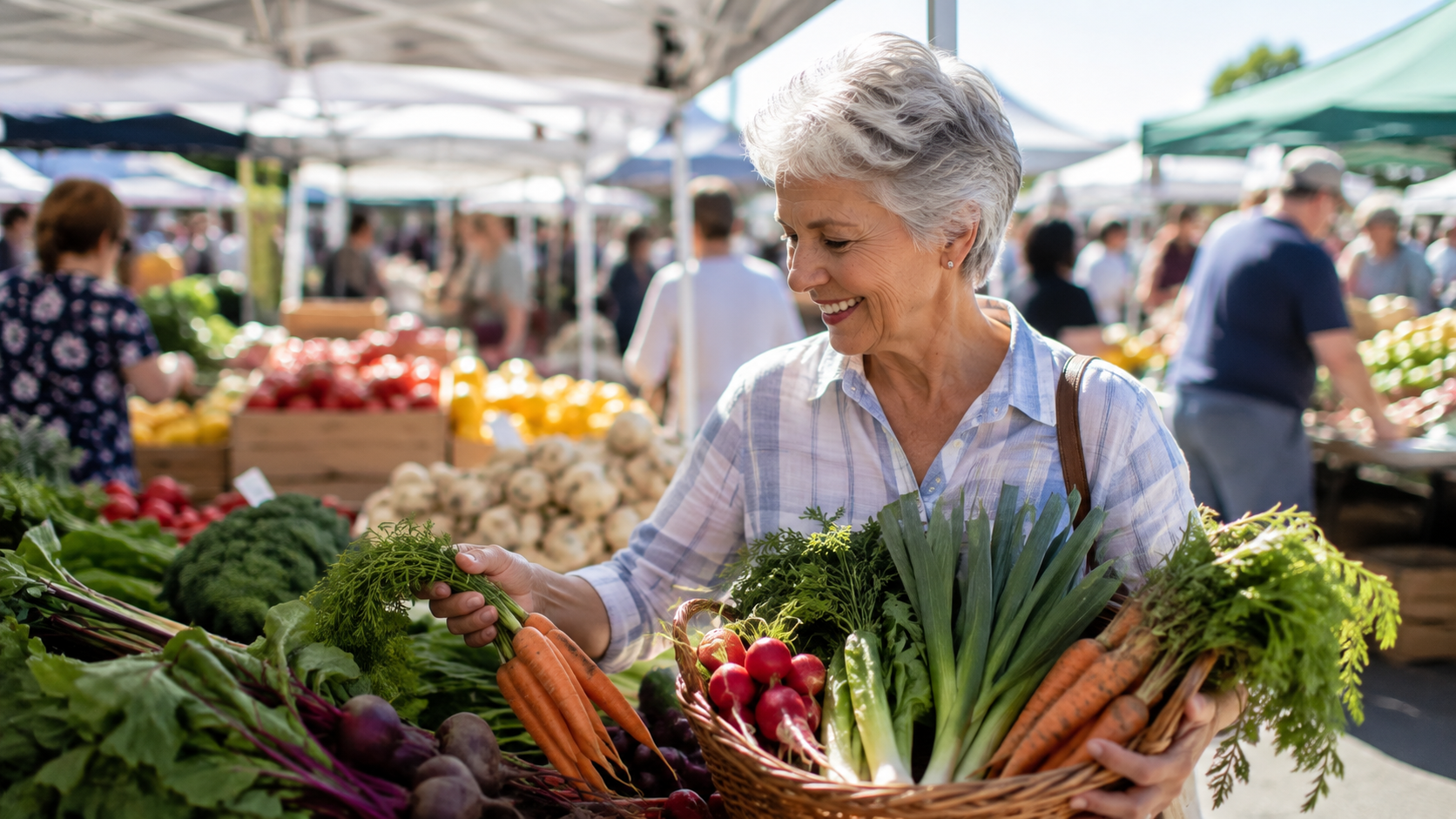
What you eat plays a far bigger role in how you age than most people realize. While no single food acts as a magic solution, a growing body of research points to specific foods that help you age gracefully — supporting everything from skin health and joint function to brain sharpness, heart health, and overall energy levels well into later decades of life.
Having worked directly with seniors for years, and having watched how much diet quality affects energy, mood, and overall wellbeing in the people I care for, I want to walk through the foods that genuinely earn their reputation for supporting healthy aging, along with practical, realistic ways to incorporate them into everyday meals.
Leafy Greens for Cellular Protection
Spinach, kale, and other leafy greens are rich in antioxidants and anti-inflammatory compounds that help protect cells from the kind of oxidative damage linked to age-related decline. They’re also excellent sources of vitamin K, which supports bone health, and folate, which plays a role in cognitive function.
Even small, regular servings — a handful in a smoothie, a side salad, or sautéed as a simple side dish — provide meaningful benefit over time.
Fatty Fish for Brain and Heart Health
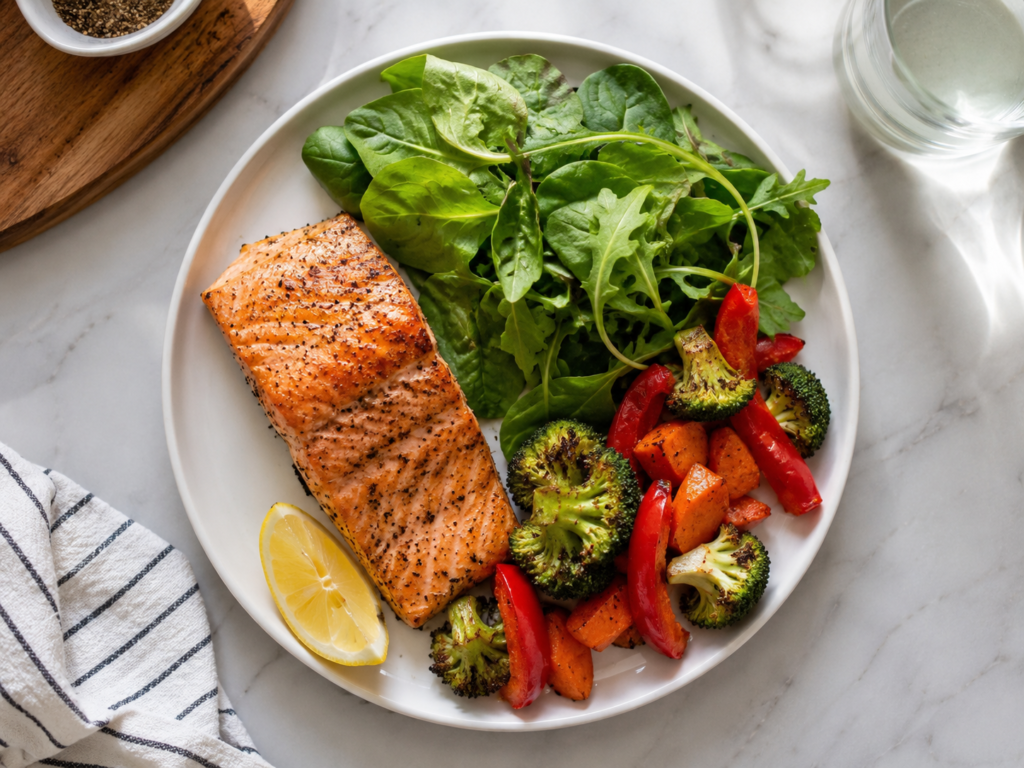
Salmon, sardines, and mackerel are rich in omega-3 fatty acids, which have been extensively studied for their role in reducing inflammation, supporting cardiovascular health, and potentially slowing age-related cognitive decline. Regular consumption of fatty fish, even just once or twice a week, is consistently associated with better long-term heart and brain health outcomes.
Berries for Antioxidant Support
Blueberries, strawberries, and other berries are packed with antioxidants called flavonoids, which have been linked in research to improved memory and slower cognitive decline. Their natural sweetness also makes them an easy way to satisfy a craving for something sweet without relying on added sugar.
Nuts and Seeds for Sustained Energy
Walnuts, almonds, and flaxseeds provide healthy fats, fiber, and protein, supporting stable energy levels and cardiovascular health. Walnuts in particular have been studied for their omega-3 content and potential cognitive benefits, making them a particularly valuable addition to a healthy aging diet.
Fermented Foods for Gut Health
Yogurt, kefir, and other fermented foods support a healthy gut microbiome, which researchers increasingly believe plays a significant role in immune function, inflammation levels, and even mood regulation. As gut diversity naturally tends to decline with age, incorporating fermented foods regularly can help support this important system.
Whole Grains for Steady Energy and Digestion
Oats, quinoa, and brown rice provide fiber, which supports digestive health, stable blood sugar, and cardiovascular health. Whole grains also tend to keep you feeling fuller for longer compared to refined grains, supporting more stable energy throughout the day.
Colorful Vegetables for a Broad Range of Nutrients
Bell peppers, carrots, sweet potatoes, and tomatoes offer a wide range of vitamins, antioxidants, and fiber. The general rule of “eating the rainbow” — incorporating a variety of colorful vegetables — helps ensure a broad spectrum of nutrients that support different aspects of healthy aging, from skin health to immune function.
Healthy Fats From Olive Oil and Avocado
Monounsaturated fats, found in olive oil and avocados, have been extensively studied as part of the Mediterranean diet, which is consistently associated with improved cardiovascular health, reduced inflammation, and better longevity outcomes overall. Using olive oil as a primary cooking fat, and incorporating avocado into meals, provides an easy way to shift toward healthier fat sources.
Water-Rich Foods for Hydration Support
As thirst signals often become less reliable with age, water-rich foods like cucumbers, watermelon, and soups can help support hydration alongside regular water intake, particularly for seniors who struggle to drink enough water throughout the day.
The Role of Meal Timing and Eating Patterns
Beyond what you eat, research increasingly suggests that when and how you eat also matters for healthy aging. Eating patterns that avoid long stretches without food, followed by very large meals, tend to support more stable blood sugar and energy levels than irregular eating schedules. Some seniors also find that smaller, more frequent meals feel easier to digest and provide steadier energy than three large meals, particularly if appetite naturally decreases with age.
Eating mindfully — without distraction, and paying attention to hunger and fullness cues — has also been associated with better digestion and a more positive relationship with food, which becomes increasingly important as appetite and digestive comfort can shift with age.
Overcoming Common Barriers to Eating Well
Even with the best intentions, several common barriers can make it harder for seniors to consistently eat these beneficial foods:
Reduced appetite Appetite naturally tends to decrease with age, which can make it harder to eat enough nutrient-dense food. Smaller, more frequent meals, and focusing on nutrient-dense options rather than volume, can help address this without forcing large meals.
Difficulty cooking or shopping Reduced mobility or energy can make grocery shopping and meal preparation feel daunting. Grocery delivery services, meal kits, or batch cooking with family members can help maintain access to fresh, healthy food without requiring daily effort.
Changes in taste and smell Taste and smell often diminish with age, which can make food seem less appealing and lead to reduced interest in eating well. Experimenting with herbs, spices, and different textures can help make meals more enjoyable despite these sensory changes.
Cost concerns Fresh produce and fish can feel expensive on a fixed income. Frozen fruits and vegetables retain most of their nutritional value at a lower cost, and canned fish like salmon or sardines offer an affordable way to include omega-3 rich options regularly.
Understanding Why These Foods Matter at a Cellular Level
Beyond general nutrition advice, it helps to understand why these specific foods keep appearing in longevity research. Many of them share a common thread: they help combat oxidative stress, a natural byproduct of cellular metabolism that accumulates over time and contributes to aging at the cellular level. Antioxidant-rich foods like berries and leafy greens help neutralize this damage, while anti-inflammatory foods like fatty fish and olive oil help counteract the chronic, low-grade inflammation that researchers increasingly link to nearly every major age-related disease, from heart disease to cognitive decline.
This is part of why no single “magic” food exists for healthy aging — it’s the cumulative, combined effect of multiple protective mechanisms working together over years and decades that produces meaningful results, rather than any one nutrient acting in isolation.
How Portion Sizes Shift With Age
As calorie needs typically decrease somewhat with age due to changes in metabolism and activity level, portion sizes may need gradual adjustment even while maintaining the same variety and quality of foods. Rather than eating less of everything uniformly, it often makes more sense to prioritize the most nutrient-dense options — vegetables, lean protein, healthy fats — while naturally reducing portions of lower-value foods like refined grains or processed snacks.
This shift doesn’t need to feel restrictive. Simply using a slightly smaller plate, prioritizing protein and vegetables first at each meal, and paying closer attention to genuine hunger and fullness cues can help portion sizes adjust naturally over time, without requiring rigid calorie counting or an overly clinical approach to eating.
Cooking Methods That Preserve Nutritional Value
How food is prepared matters nearly as much as which foods are chosen. Steaming, roasting, and light sautéing tend to preserve more nutrients than deep frying or prolonged boiling, which can leach water-soluble vitamins out of vegetables. Using healthy fats like olive oil during cooking, rather than highly processed vegetable oils, further supports the anti-inflammatory benefits of a meal.
Simple adjustments — steaming vegetables instead of boiling them, baking or grilling fish rather than frying it, and using herbs and spices rather than heavy sauces for flavor — can meaningfully increase the nutritional value of meals without requiring an entirely different set of ingredients or a significant increase in cooking time and effort.
Building These Foods Into Realistic Meals
Rather than overhauling your entire diet overnight, small, gradual additions tend to be more sustainable:
- Add a handful of berries to breakfast a few times a week
- Swap one meal a week to include fatty fish instead of red meat
- Keep pre-washed leafy greens on hand for quick, easy additions to meals
- Choose olive oil as your primary cooking fat where possible
- Add a serving of nuts or seeds as a simple daily snack
These small, consistent changes tend to be far more sustainable — and ultimately more impactful — than a complete diet overhaul that’s difficult to maintain long-term.
Foods and Habits Worth Limiting
Alongside adding beneficial foods, research also points to limiting certain patterns that accelerate aging-related decline:
- Highly processed foods high in added sugar and refined carbohydrates
- Excessive sodium, which can contribute to high blood pressure
- Trans fats and heavily processed vegetable oils, linked to increased inflammation
- Excessive alcohol consumption, which affects nearly every organ system over time
The goal isn’t perfection or complete elimination — it’s shifting the overall balance of your diet in a direction that supports long-term health.
Nutritional Needs Change With Age
It’s worth noting that nutritional needs shift as we get older. Protein needs often increase to help preserve muscle mass, calcium and vitamin D become more important for bone health, and calorie needs may decrease even as nutrient needs stay the same or increase — meaning nutrient density matters more than ever. Working with a doctor or dietitian to understand your specific needs can help ensure your diet genuinely supports your individual health picture, rather than following generic advice alone.
For a broader look at daily habits that support healthy aging beyond diet alone, our article on 10 daily habits that help you stay healthy after 60 covers additional areas like movement, sleep, and social connection that work alongside good nutrition.
According to the National Institute on Aging, a balanced diet rich in fruits, vegetables, lean protein, and whole grains plays a significant role in supporting healthy aging and reducing risk of chronic disease.
Frequently Asked Questions
Do I need to follow a specific diet, like Mediterranean or keto, to age gracefully? Not necessarily. While the Mediterranean diet has the strongest research support, the core principles — more plants, healthy fats, lean protein, and less processed food — can be applied flexibly without strictly following any single named diet or program.
Are supplements a good substitute for these foods? Whole foods generally provide better nutrient absorption and additional benefits, like fiber, that supplements can’t replicate. Supplements may still be appropriate for specific deficiencies, but should typically complement, not replace, a nutrient-rich diet built primarily around whole, minimally processed foods.
What if I have dietary restrictions or allergies? Most of these food categories have flexible substitutes — for example, flaxseed or walnuts can replace fish for omega-3 intake if you don’t eat seafood, and a wide variety of colorful vegetables can be adjusted around specific allergies or intolerances without losing the overall nutritional benefit.
How quickly can dietary changes improve how I feel? Some benefits, like more stable energy from reduced sugar intake, can appear within days to weeks, while others, like improved cardiovascular markers, may take months of consistent dietary changes to show measurable improvement, so patience and consistency matter more than expecting immediate, dramatic results.
Conclusion
Aging gracefully isn’t about chasing a single superfood or following a rigid diet — it’s about consistently incorporating nutrient-dense, whole foods like leafy greens, fatty fish, berries, and healthy fats into your everyday meals, prepared in ways that preserve their nutritional value. Small, sustainable changes to what’s on your plate can genuinely support energy, brain health, and long-term wellbeing for years to come, regardless of your current age or starting point.
Disclaimer: This article is intended for general informational and educational purposes only and does not constitute medical or nutritional advice. Please consult your doctor or a registered dietitian before making significant changes to your diet, especially if you have existing health conditions.