Chronic stress affects nearly every system in the body, contributing to everything from cardiovascular strain to weakened immune function to accelerated cognitive decline. Understanding genuine ways to reduce stress naturally offers a meaningful, accessible path toward better health, without necessarily requiring medication as the first line of defense, particularly for the everyday stress that most people navigate regularly throughout their daily lives.
Having worked with seniors managing stress from health concerns, caregiving responsibilities, financial worry, and countless other sources, I want to walk through strategies that offer genuine, research-supported relief, grounded in practical reality rather than oversimplified advice that doesn’t account for real life circumstances.
Understanding Stress’s Impact on the Body
Chronic stress triggers sustained elevation of cortisol and other stress hormones, which over time contributes to inflammation, elevated blood pressure, disrupted sleep, weakened immune function, and even changes in brain structure associated with memory and emotional regulation. This isn’t simply an unpleasant feeling to endure — it represents a genuine physiological burden with measurable health consequences, making stress management a legitimate health priority rather than merely a comfort concern.
Understanding this biological reality can help motivate consistent engagement with stress-reducing strategies, framing them as genuine health interventions rather than optional luxuries to pursue only when time allows.
Distinguishing Between Stress Sources You Can Change and Those You Can’t
An important first step in genuinely reducing stress involves honestly categorizing your specific sources of stress into those you have genuine ability to change or influence, and those that are largely outside your control. This distinction matters significantly, because the most effective response differs considerably between these two categories — actionable stress often benefits from problem-solving and concrete steps, while unchangeable stress typically benefits more from the acceptance and coping strategies discussed throughout this article.
Many people spend considerable energy trying to control or fix circumstances genuinely outside their influence, which paradoxically often increases stress rather than reducing it, while neglecting concrete action on stressors that could actually be addressed through direct effort. Taking time to honestly sort your current stressors into these two categories can help direct your energy more effectively, applying problem-solving where it can genuinely help, and acceptance-based coping where direct control simply isn’t available.
How Chronic Stress Differs From Situational Stress
It’s worth distinguishing between situational stress — tied to a specific, often temporary circumstance — and chronic stress, which persists over extended periods, sometimes without a single clear triggering event, or from an ongoing situation that shows no clear resolution timeline. Chronic stress tends to have more significant cumulative health effects than situational stress, making it particularly important to address proactively rather than simply waiting for circumstances to naturally resolve.
If you’re experiencing chronic stress that’s persisted for months without meaningful improvement, this pattern itself deserves particular attention, potentially including professional support, rather than continuing to apply the same natural strategies that may be providing only partial or temporary relief against an ongoing, unresolved source of significant stress.
Regular Physical Activity
Exercise remains one of the most well-researched, effective natural stress-reduction strategies available, working through multiple mechanisms including stress hormone regulation and the release of mood-supporting neurotransmitters.
How to practice it: Even moderate activity, like a 20-30 minute walk, provides measurable stress-reduction benefit, making this one of the most accessible strategies available regardless of fitness level or prior exercise experience.
Recognizing Your Personal Stress Signals
Everyone tends to experience stress somewhat differently, and learning to recognize your own personal early warning signals — whether that’s tension in a specific part of your body, irritability, difficulty sleeping, or changes in appetite — allows you to intervene earlier, before stress accumulates to a more significant, harder-to-manage level.
Taking some time to reflect on how stress typically shows up for you specifically, rather than assuming a generic list of symptoms applies uniformly to everyone, can help you catch and address rising stress earlier, applying the strategies discussed throughout this article proactively rather than only after stress has already become significantly overwhelming and harder to interrupt.
Deep Breathing Exercises

Controlled, deep breathing directly activates the parasympathetic nervous system, the body’s natural relaxation response, providing genuine physiological stress relief rather than simply a psychological distraction.
How to practice it: Try breathing in slowly for a count of four, holding briefly, and exhaling slowly for a count of six, making the exhale longer than the inhale, which specifically activates this calming response. Even a few minutes of this practice can provide noticeable relief during acute stress.
Stress Management for Caregivers Specifically
For those caring for a spouse, parent, or other family member, stress often takes on additional dimensions beyond typical daily stress, sometimes involving chronic, ongoing demands with limited opportunity for full rest or recovery. Caregiver stress deserves particular acknowledgment, since the strategies discussed throughout this article, while still relevant, sometimes require additional support and modification given the genuinely demanding, ongoing nature of caregiving responsibilities.
Respite care, support groups specifically for caregivers, and being especially proactive about accepting help when offered — rather than the common caregiver tendency to decline assistance out of guilt or a sense of obligation — all represent important additional considerations for this specific population, worth incorporating alongside the more general stress-reduction strategies discussed throughout the rest of this article.
Time in Nature
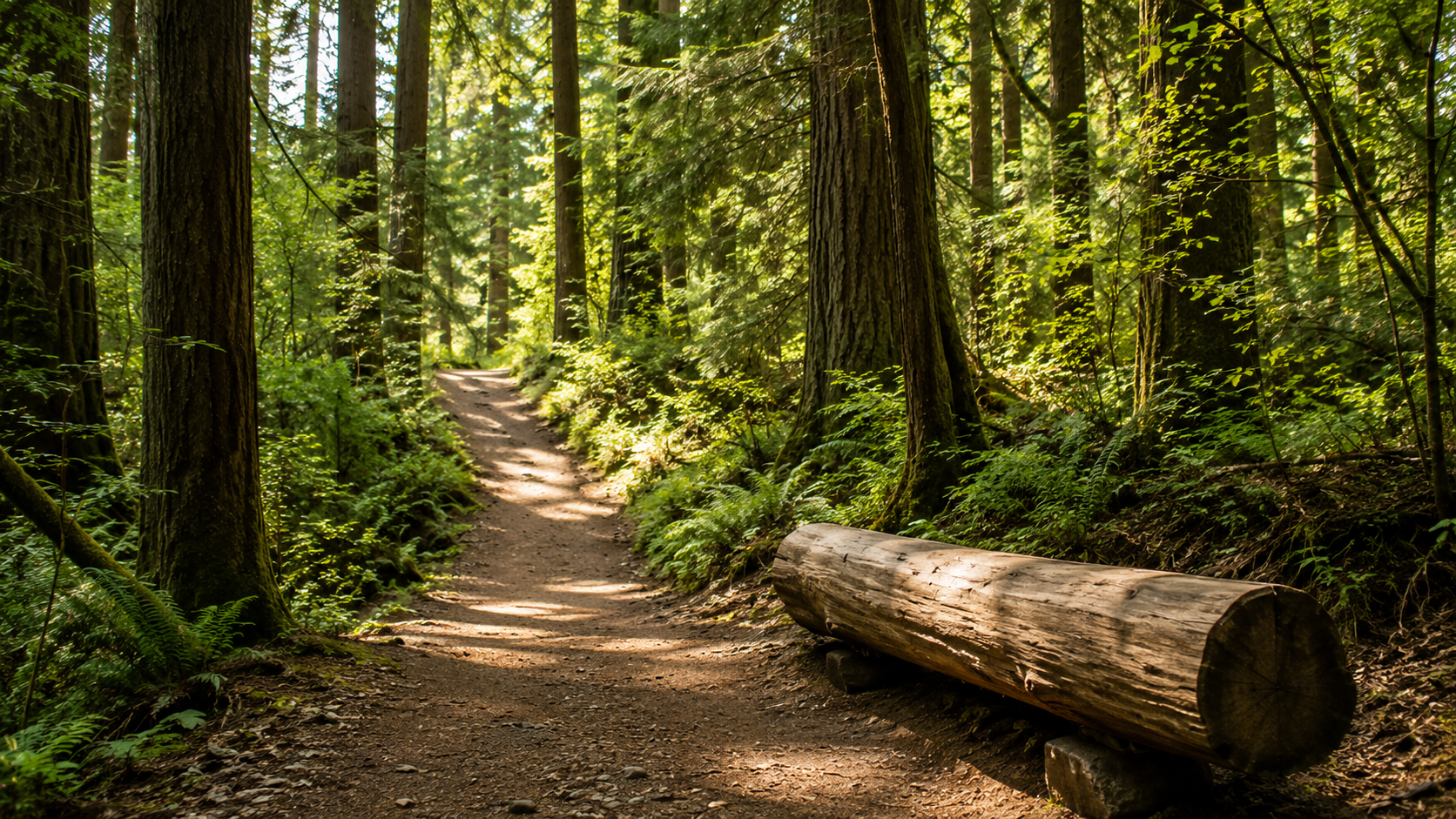
Spending time outdoors, particularly in natural settings, has been consistently linked to reduced stress hormones and improved mood in research, offering genuine physiological benefit beyond simply a pleasant experience.
How to practice it: Regular time outdoors — a walk in a park, gardening, or simply sitting outside — provides meaningful stress relief, with research suggesting even brief exposure to natural settings offers measurable benefit.
Progressive Muscle Relaxation
This technique involves systematically tensing and then releasing muscle groups throughout the body, helping release physical tension that often accumulates unconsciously during stressful periods.
How to practice it: Starting from your feet and moving upward, tense each muscle group for a few seconds, then consciously release the tension, noticing the contrast between tension and relaxation as you move through your body.
Social Connection
Talking through stress with trusted friends or family provides both emotional support and a practical outlet for processing difficult feelings, offering genuine stress relief beyond simply distraction.
How to practice it: Rather than isolating during stressful periods, which often feels like the instinctive response, actively reaching out to trusted people in your life — even briefly — tends to provide meaningful relief and perspective that processing stress alone doesn’t offer.
Adequate Sleep
Poor sleep both results from and contributes to elevated stress, creating a cycle that becomes increasingly difficult to interrupt the longer it continues without intervention.
How to practice it: Prioritizing consistent, quality sleep through the strategies discussed in our broader sleep-focused articles provides meaningful stress relief as a secondary benefit, addressing one of the most significant, often overlooked contributors to chronic stress.
Limiting News and Information Overload
Constant exposure to distressing news, particularly in today’s continuous news cycle, can meaningfully contribute to chronic stress and anxiety, even when the specific news itself doesn’t directly affect your daily life.
How to practice it: Setting specific, limited times for checking news rather than constant exposure throughout the day, and being selective about sources, can meaningfully reduce this often-underappreciated contributor to chronic stress levels.
Engaging Hobbies and Creative Outlets
Activities that genuinely absorb attention — creative pursuits, gardening, music, crafts — provide a natural break from stress-inducing thoughts while offering genuine enjoyment and satisfaction.
How to practice it: Regularly prioritizing time for activities you genuinely enjoy, rather than viewing them as optional luxuries to pursue only after all obligations are met, provides meaningful stress relief that pure rest or distraction often doesn’t offer as effectively.
Setting Realistic Boundaries
Chronic overcommitment, whether to family obligations, volunteer work, or other responsibilities, often contributes significantly to ongoing stress, making boundary-setting a genuine stress-reduction strategy, not simply an act of selfishness.
How to practice it: Practicing saying no to additional commitments when your current load already feels overwhelming, even when this feels uncomfortable initially, tends to provide meaningful stress relief and protects your capacity to fully engage with the commitments you do choose to maintain.
Building a Realistic Stress-Reduction Toolkit
Rather than relying on a single strategy, building a toolkit of several approaches — physical activity, breathing exercises, social connection, and adequate rest — provides more comprehensive, reliable stress relief than depending on any single technique alone, particularly given that different strategies may prove more accessible or effective depending on the specific situation and type of stress you’re navigating.
For a broader look at anxiety management strategies that complement general stress reduction, our article on managing anxiety as you get older covers additional approaches for more persistent or significant anxiety specifically.
According to the National Institute on Aging, natural stress management techniques, including physical activity, relaxation practices, and social connection, provide meaningful support for managing everyday stress throughout aging.
Frequently Asked Questions
When should stress be addressed with medication rather than natural strategies alone? If natural strategies aren’t providing adequate relief, or if stress has progressed to significant anxiety or depression affecting daily functioning, discussing additional options, including medication, with your doctor represents a reasonable, appropriate next step rather than continuing to struggle with natural strategies alone indefinitely without additional support.
How quickly do natural stress-reduction techniques actually work? Some techniques, like deep breathing, can provide noticeable relief within minutes during acute stress, while others, like regular exercise or improved sleep, typically require weeks of consistent practice to show their full stress-reduction benefit.
Can chronic stress cause physical symptoms even without obvious anxiety? Yes — stress often manifests physically through headaches, digestive issues, muscle tension, or fatigue, sometimes without the person consciously recognizing significant psychological stress as the underlying cause driving these seemingly unrelated physical complaints.
Is it possible to have too little stress, or is reducing stress always beneficial? Some stress, particularly short-term, manageable stress tied to meaningful challenges, can actually support engagement and motivation. The goal isn’t eliminating all stress, but managing chronic, excessive stress that genuinely undermines health and wellbeing over an extended period of time.
Conclusion
Ways to reduce stress naturally — physical activity, deep breathing, time in nature, and social connection among them — offer genuine, research-supported relief without requiring medication as a first step. Building a personal toolkit of several complementary strategies provides more reliable, sustainable stress management than relying on any single technique alone, regardless of the specific sources of stress you’re currently navigating.
Recognizing When Natural Strategies Aren’t Enough
While the strategies discussed throughout this article provide genuine, meaningful relief for most everyday stress, it’s worth being honest about their limits. If stress has progressed to a point where it significantly interferes with sleep, appetite, relationships, or your ability to function in daily life despite consistent effort with these natural approaches, this represents a clear signal that additional support — whether through therapy, medication, or both — deserves genuine consideration rather than continuing to rely solely on self-directed strategies.
Seeking this additional support isn’t a sign that the natural strategies discussed throughout this article have failed or weren’t worth trying — many people benefit from combining natural stress-reduction techniques with professional support, using both together rather than viewing them as competing alternatives. This combined approach often provides more comprehensive, effective relief than either strategy pursued in isolation from the other.
Making Stress Management a Consistent Practice, Not a Crisis Response
The strategies discussed throughout this article work best when practiced consistently, as an ongoing part of daily life, rather than reserved only for moments of acute crisis when stress has already become overwhelming. Building these practices into your regular routine — even during periods when stress feels manageable — creates a stronger foundation of resilience that makes navigating genuinely difficult periods considerably more manageable when they inevitably arise.
Disclaimer: This article is intended for general informational and educational purposes only and does not constitute medical or mental health advice. If stress significantly affects your daily functioning or physical health, please consult your doctor or a mental health professional.