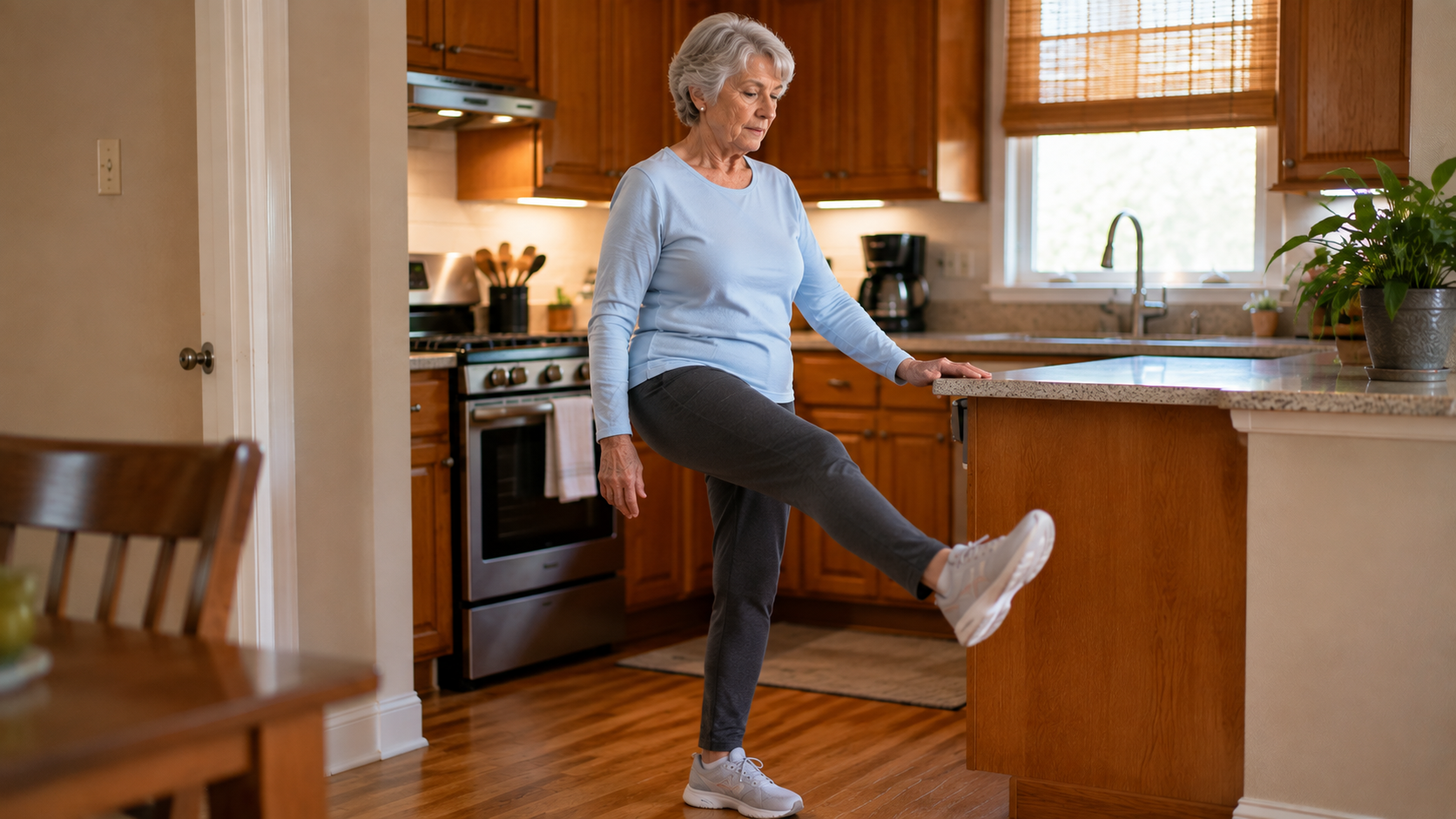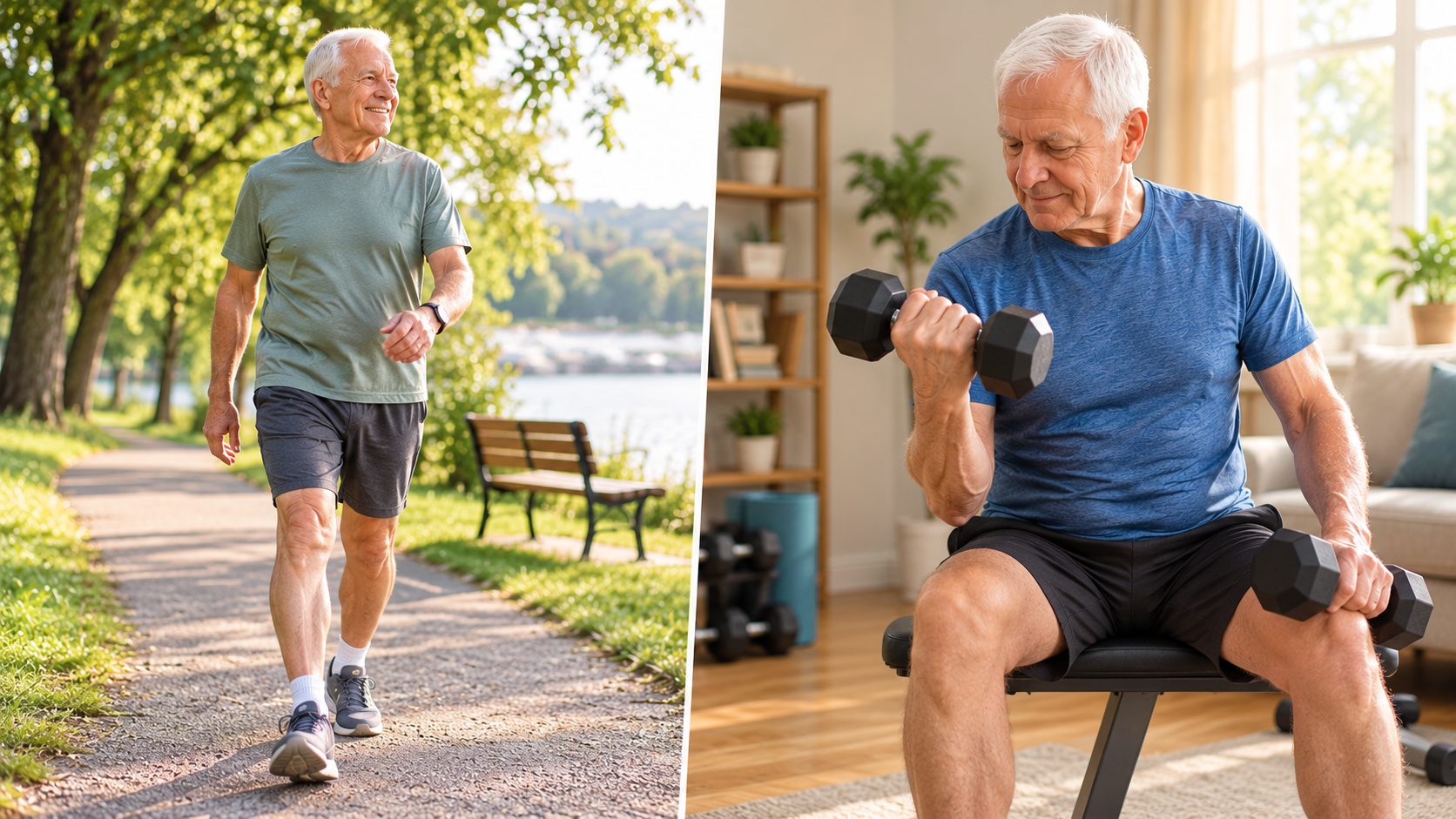
Cardiovascular exercise remains one of the most important tools for long-term health, but for many seniors, the word “cardio” immediately conjures images of running or high-impact aerobics that feel neither safe nor appealing. Low-impact cardio exercises for seniors offer a genuine alternative — building the same heart, lung, and circulatory benefits without the joint strain associated with higher-impact activities.
Having worked with seniors managing everything from mild joint discomfort to more significant arthritis, I’ve seen how much low-impact cardio can restore both physical capability and confidence, allowing people to get real cardiovascular benefit without fear of pain or injury holding them back.
Why Low-Impact Doesn’t Mean Low-Benefit
There’s a common misconception that low-impact automatically means less effective. In reality, the cardiovascular system responds to how hard your heart and lungs are working, not to how much impact your joints absorb. A brisk walk, water aerobics session, or stationary cycling routine can elevate your heart rate just as effectively as running, while placing dramatically less stress on knees, hips, and ankles.
This distinction matters enormously for sustainability. Exercise that causes joint pain tends to get abandoned quickly, while low-impact options that feel comfortable and safe are far more likely to become a consistent, long-term habit — and consistency, more than any single workout’s intensity, is what actually produces lasting cardiovascular benefit.
Understanding What Happens Inside Your Body During Low-Impact Cardio
Cardiovascular exercise, regardless of impact level, strengthens the heart muscle itself, improves the efficiency of oxygen delivery throughout the body, and supports healthier blood vessels over time. These adaptations occur in response to elevated heart rate sustained over a period of time, not in response to the physical impact of feet striking pavement or joints absorbing shock.
This explains why swimming, often performed entirely without any joint impact at all, remains one of the most cardiovascularly demanding and beneficial forms of exercise available. The heart doesn’t distinguish between impact and non-impact activity — it simply responds to how much oxygen demand the body is placing on it, which low-impact activities can absolutely provide at a meaningful level when performed with appropriate intensity.
How Low-Impact Cardio Supports Joint Health, Rather Than Just Avoiding Harm
Beyond simply avoiding joint stress, regular low-impact movement actually supports joint health directly. Movement helps circulate synovial fluid, which lubricates joints and delivers nutrients to cartilage that has limited direct blood supply. Sedentary joints, by contrast, often become stiffer and more prone to discomfort over time, precisely because they’re not receiving this regular movement-driven lubrication and nutrient delivery.
This means low-impact cardio isn’t simply a compromise for those who can’t handle higher-impact activity — it’s often actively therapeutic for joint health, supporting mobility and comfort in ways that complete inactivity cannot match, regardless of how well-intentioned that inactivity might be in trying to “protect” painful joints.
Walking for Accessible, Everyday Cardio
Walking remains one of the most accessible and well-researched forms of low-impact cardio available, requiring no equipment beyond supportive shoes and offering flexibility to fit into nearly any schedule or environment.
Getting started: Begin with a pace and duration that feels manageable, even if that’s just 10 minutes initially. Gradually increase duration before increasing pace, aiming eventually toward 20-30 minutes most days of the week. Walking on varied terrain, including gentle inclines when comfortable, can add cardiovascular challenge without requiring faster pace.
Water Aerobics for Joint-Friendly Intensity
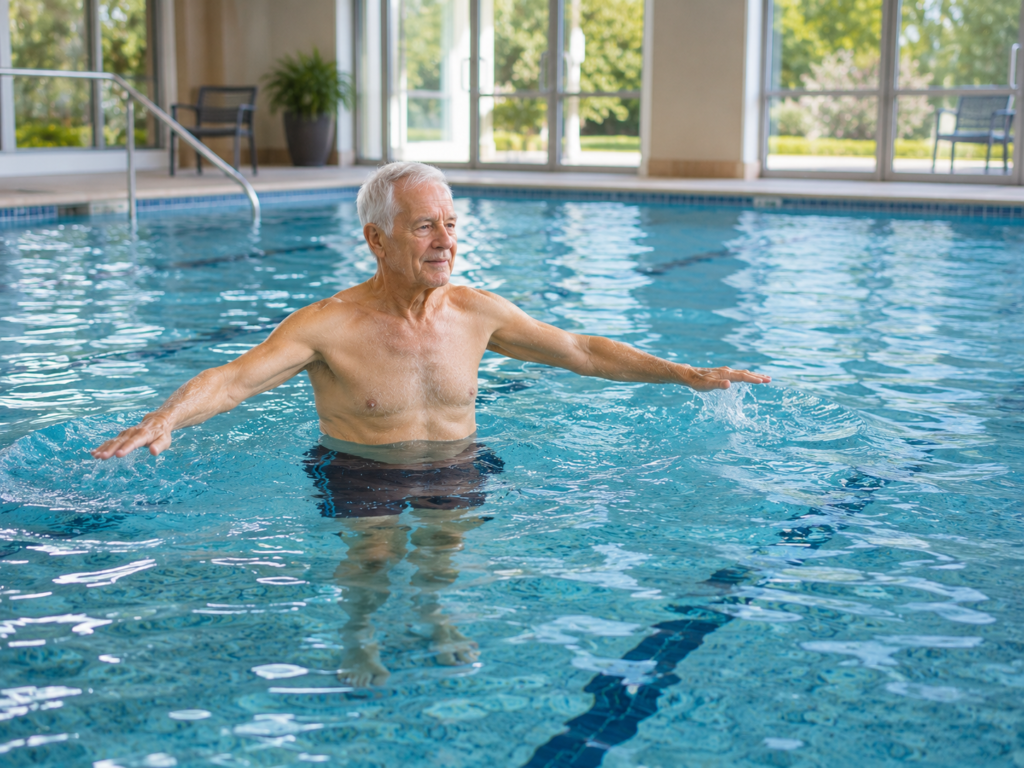
Exercising in water provides natural resistance while the buoyancy significantly reduces impact on joints, making water aerobics particularly valuable for those managing arthritis or significant joint pain.
Getting started: Many community centers and senior centers offer water aerobics classes specifically designed for older adults. If classes aren’t available, simply walking laps in a pool, or performing gentle movements like leg lifts and arm circles while standing in chest-deep water, provides meaningful cardiovascular benefit.
Stationary Cycling for Controlled, Adjustable Intensity
Stationary bikes allow precise control over resistance and pace, making them ideal for building cardiovascular fitness at a controlled, comfortable intensity while seated, which also removes balance concerns associated with some other cardio options.
Getting started: Begin with low resistance and a comfortable pace, gradually increasing duration before increasing resistance. Recumbent bikes, which position you in a more reclined seated posture, can be particularly comfortable for those with back or hip discomfort compared to upright bikes.
Elliptical Training for Full-Body, Joint-Friendly Cardio
Elliptical machines provide a smooth, gliding motion that elevates heart rate effectively while eliminating the jarring impact associated with walking or running on hard surfaces.
Getting started: Start with a low resistance setting and shorter duration, focusing on maintaining good posture with light hand support on the machine’s handles. Many ellipticals also engage the arms through moving handles, providing additional upper body benefit alongside the cardiovascular work.
Dancing for Enjoyable, Social Cardio
Dancing — whether structured classes like line dancing or ballroom, or simply moving to music at home — provides genuine cardiovascular benefit while also offering social connection and mental engagement that purely solitary exercise doesn’t provide.
Getting started: Many senior centers offer dance classes specifically designed for older adults, often modified for lower impact and adjustable intensity. Even dancing at home to favorite music for 15-20 minutes provides meaningful cardiovascular benefit while feeling more like enjoyment than exercise.
Seated Cardio for Those With Significant Mobility Limitations
For those managing significant mobility limitations, seated cardio routines — combining arm movements, seated marching, and torso engagement — can still meaningfully elevate heart rate and provide genuine cardiovascular benefit.
Getting started: Simple seated routines, often available through senior fitness DVDs or online videos specifically designed for chair-based exercise, can provide a structured starting point. Focus on continuous movement for 10-15 minutes to build initial cardiovascular capacity before gradually extending duration.
Building a Realistic Low-Impact Cardio Routine
A sustainable approach might include:
- 4-5 days per week: 20-30 minutes of a chosen low-impact activity, at a pace that raises your heart rate noticeably while still allowing conversation
- Variety: Rotating between two or three different activities can prevent boredom and work slightly different muscle groups, supporting more well-rounded fitness
- Gradual progression: Slowly increasing duration or intensity over weeks and months, rather than attempting significant jumps that could increase injury risk or discouragement
This kind of consistent, moderate approach tends to produce far better long-term cardiovascular health than sporadic, more intense efforts that are difficult to sustain.
Signs You’re Exercising at the Right Intensity
A helpful guideline for appropriate cardio intensity is the “talk test” — you should be breathing noticeably harder than at rest, but still able to hold a conversation without gasping for breath between sentences. If you can easily sing while exercising, you’re likely not working hard enough for meaningful cardiovascular benefit. If you can’t speak more than a few words at a time, you’re likely working harder than necessary for most health benefits, and may want to ease back slightly.
Combining Low-Impact Cardio With Strength and Balance Work
While this article focuses specifically on cardiovascular exercise, it’s worth remembering that a complete fitness approach ideally includes strength and balance training alongside regular cardio. These three components address different aspects of physical health — cardio supports heart and lung function, strength training preserves muscle mass and supports metabolism, and balance work directly reduces fall risk.
A realistic weekly structure might dedicate most days to some form of low-impact cardio, with two to three of those days also including a brief strength or balance component, either before or after the cardio session. This combined approach tends to produce more comprehensive health benefits than focusing exclusively on any single type of exercise, even when that exercise is performed consistently and at appropriate intensity.
Tracking Your Cardio Progress Over Time
Unlike strength training, where progress is often measured in weight lifted or repetitions completed, cardio progress can be tracked through several different markers: how far you can walk or cycle in a set amount of time, how quickly your heart rate returns to normal after exercise, or simply how much easier a previously challenging distance or duration feels over time.
Keeping a simple log of duration, and occasionally noting how the activity felt (easy, moderate, challenging), can help you see genuine progress that might otherwise be hard to notice day to day, providing motivation to continue building on your existing routine rather than plateauing at an early comfort level.
Staying Motivated With Low-Impact Cardio Long-Term
One advantage of low-impact cardio that’s sometimes overlooked is how much more sustainable it tends to be over the long run precisely because it doesn’t produce the soreness, joint discomfort, or injury risk associated with higher-impact activities. This sustainability matters enormously, since the cardiovascular benefits of exercise depend heavily on consistency over months and years, not on any single particularly intense session.
Choosing an activity you genuinely enjoy, rather than one you feel obligated to do, tends to support this long-term consistency considerably. If walking outdoors feels tedious, water aerobics or dancing might feel more engaging. If cycling feels monotonous alone, a stationary bike positioned in front of a television or with music playing might make the time pass more pleasantly. Finding the right fit for your personality and preferences matters just as much as the physiological benefits themselves.
When to Modify or Avoid Certain Activities
Those with specific joint replacements, recent surgeries, or particular cardiovascular conditions may need to modify or avoid certain activities entirely. For example, water aerobics may need modification for those with certain skin conditions or open wounds, while stationary cycling may need seat adjustments for those with specific hip or knee replacements. Discussing your specific situation with your doctor or a physical therapist can help identify which low-impact options are most appropriate for your particular circumstances.
For a complementary strength routine that pairs well with regular cardio, our article on best exercises for seniors at home covers simple, equipment-free strength exercises that support overall fitness alongside cardiovascular work.
According to the National Institute on Aging, regular aerobic activity, including low-impact options like walking and swimming, provides significant cardiovascular and overall health benefits for older adults, regardless of intensity level, as long as activity is performed consistently over time.
Frequently Asked Questions
How much low-impact cardio do seniors need each week? Many guidelines suggest around 150 minutes of moderate-intensity cardio per week, roughly 20-30 minutes most days, though even smaller amounts provide measurable benefit over a sedentary baseline, meaning any increase in activity is genuinely worthwhile.
Is walking alone enough cardio, or should I add other activities? Walking alone can provide substantial cardiovascular benefit, particularly when done consistently at a brisk pace. Adding variety, like water aerobics or cycling, isn’t strictly necessary but can help prevent boredom and engage slightly different muscle groups, supporting more well-rounded overall fitness.
Can low-impact cardio help with weight management too? Yes — consistent cardio, combined with attention to nutrition, supports healthy weight management, though the primary benefits of low-impact cardio for seniors typically center on cardiovascular health, energy, and mood rather than weight loss alone, which is worth keeping in mind when setting realistic expectations.
What if I have both joint pain and cardiovascular concerns? Water aerobics is often particularly well-suited for this combination, since the buoyancy significantly reduces joint stress while still providing meaningful cardiovascular challenge, though it’s worth discussing your specific situation with your doctor first to ensure it’s appropriate for any cardiac considerations as well.
Conclusion
Low-impact cardio exercises for seniors offer a genuine path to real cardiovascular health, without requiring joint-jarring activities that feel risky or uncomfortable. Whether through walking, water aerobics, cycling, or dancing, consistent low-impact movement builds heart and lung health effectively while protecting and even actively supporting the joints that matter so much for continued independence and comfort.
Disclaimer: This article is intended for general informational and educational purposes only and does not constitute medical advice. Please consult your doctor before beginning any new exercise routine, especially if you have existing heart conditions, joint issues, or other significant health concerns.