When joints ache, the instinct to rest and avoid movement entirely feels natural — but for most people managing arthritis, the opposite approach tends to work better over time. The right exercises for arthritis pain can meaningfully reduce stiffness, improve joint function, and decrease discomfort over time, even though it may feel counterintuitive at first to move a joint that already hurts.
Having worked with seniors managing arthritis across many different joints and severity levels, I’ve seen how much the right kind of movement — not too much, not too little, and appropriately gentle — can genuinely improve quality of life over time. This isn’t about pushing through pain; it’s about understanding which movements actually help your specific joints, and how to approach them safely and consistently.
Why Movement Helps Arthritis, Rather Than Making It Worse
Joint cartilage lacks its own direct blood supply, relying instead on the circulation of synovial fluid to deliver nutrients and remove waste products. Movement is what drives this circulation — without it, joints can become stiffer and more prone to discomfort over time, regardless of arthritis severity.
Additionally, the muscles surrounding an arthritic joint play a significant role in how much stress the joint itself absorbs during daily activities. Weak muscles around a joint often mean the joint bears more direct impact and strain, while strong, well-conditioned muscles help absorb and distribute forces more effectively, reducing the burden on the joint itself.
This explains why appropriate exercise, rather than complete rest, is now the standard recommendation for most types of arthritis, provided the exercise is appropriately gentle and tailored to the specific joints involved.
Range of Motion Exercises for Daily Stiffness

These gentle movements take joints through their full available range without adding resistance, helping maintain flexibility and reduce stiffness.
For hands and fingers: Slowly make a fist, then fully extend fingers straight, repeating 10 times. Follow with gentle finger spreads and thumb circles.
For shoulders: Slowly raise arms overhead as far as comfortable, then lower. Follow with gentle arm circles in both directions.
For knees: While seated, slowly straighten one leg fully, then bend it back down. Repeat 10-12 times on each side.
Performing these gentle range of motion exercises daily, particularly first thing in the morning when stiffness tends to be most pronounced, can meaningfully ease the transition into daily activity.
Understanding Different Types of Arthritis and How Exercise Needs May Vary
While this article covers general principles applicable to most types of arthritis, it’s worth noting that osteoarthritis (the “wear and tear” type most common with age) and rheumatoid arthritis (an autoimmune condition) can respond somewhat differently to exercise, particularly during active flares.
For osteoarthritis, consistent, moderate exercise is almost universally beneficial, since it directly addresses the joint lubrication and muscle support issues at the core of the condition. For rheumatoid arthritis, exercise remains valuable, but timing may need more careful attention around flare-ups, when joints may be actively inflamed and require gentler movement or brief rest until inflammation subsides. If you’re unsure which category your arthritis falls into, or how it should specifically affect your exercise approach, this is worth clarifying with your rheumatologist or primary doctor.
The Role of Warm-Up Before Arthritis-Specific Exercise
Taking a few extra minutes to warm up before exercising can make a meaningful difference for arthritic joints specifically. Gentle movement, a warm shower beforehand, or simply starting with the very gentlest version of your planned exercises before progressing to more challenging movements can help ease joints into activity rather than demanding immediate full range of motion from a cold, stiff starting point.
This extra preparation time is particularly valuable first thing in the morning, when joint stiffness tends to be most pronounced after hours of overnight stillness, making a rushed transition directly into more demanding movement more likely to cause discomfort than a gradual warm-up approach would.
Water-Based Exercise for Significant Joint Relief
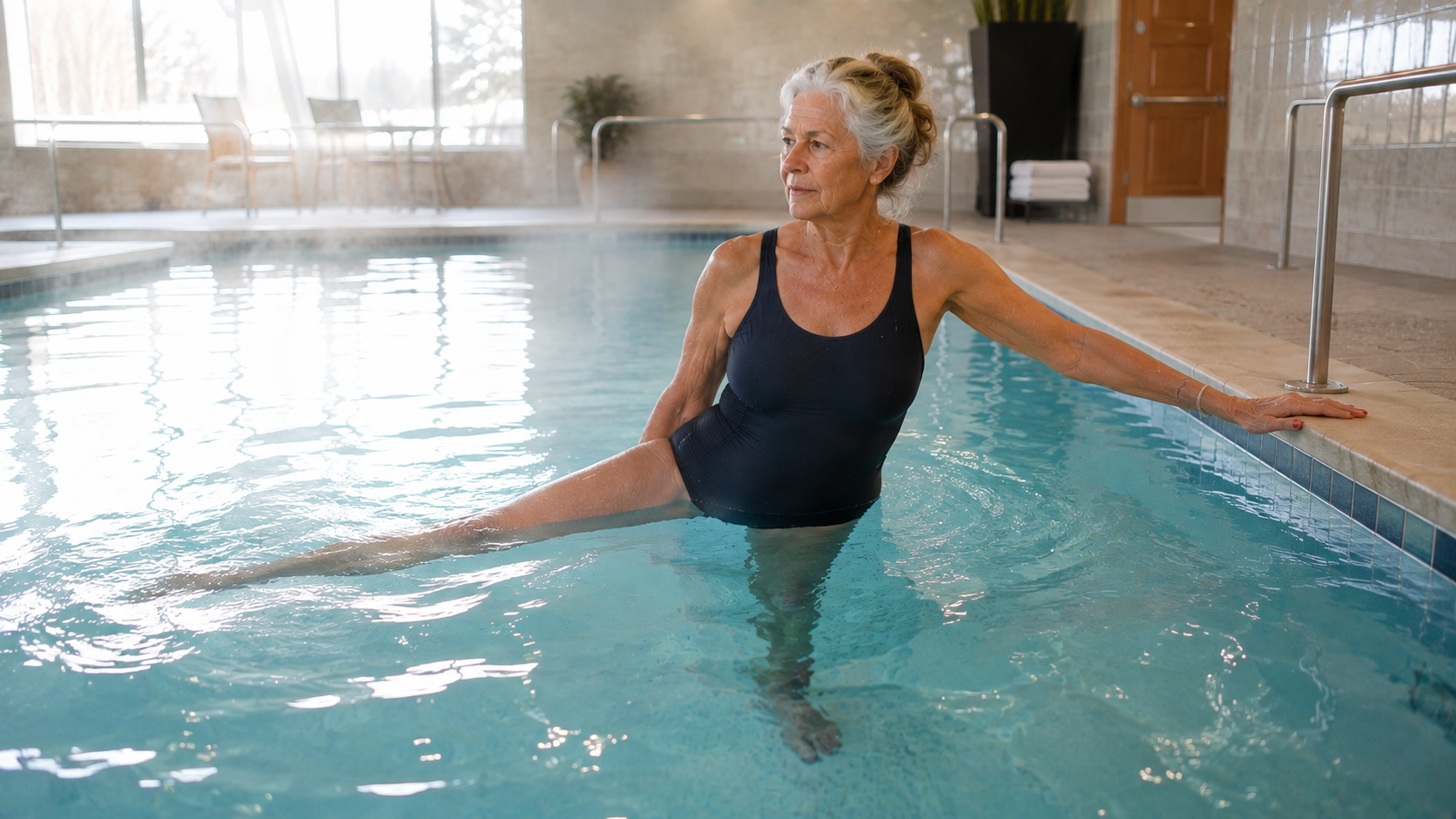
Water aerobics and swimming offer some of the most joint-friendly exercise options available, since buoyancy dramatically reduces the weight and impact joints must bear during movement.
How to approach it: Simple movements like walking laps in chest-deep water, gentle leg lifts while holding a pool edge, or arm circles performed while standing in water all provide meaningful benefit. Warmer pool temperatures, often found in therapy pools, can feel particularly soothing for arthritic joints compared to cooler recreational pools.
Low-Impact Strengthening for Joint Support
Building strength in muscles surrounding affected joints helps distribute physical stress more effectively, often reducing the burden on the joint itself.
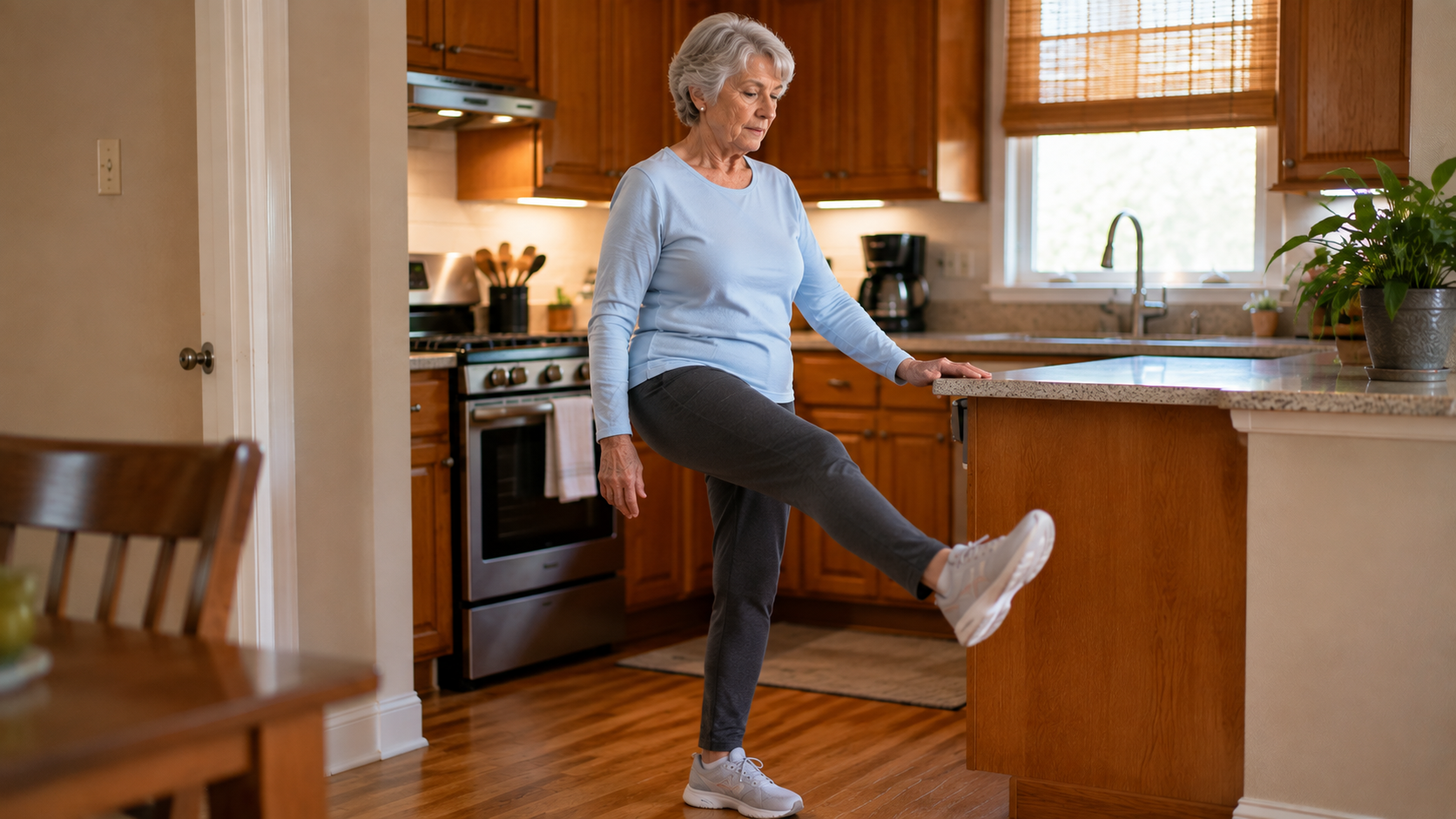
For knee arthritis: Seated leg extensions and standing hip abductions (lifting the leg out to the side while holding a support) build quadriceps and hip strength that supports the knee joint.
For hip arthritis: Standing leg raises to the front, side, and back build the surrounding hip musculature, providing better joint support and stability.
For hand arthritis: Gentle grip strengthening using a soft stress ball, performed without pain, can help maintain hand function and strength.
Tai Chi for Gentle, Flowing Movement
Tai chi combines slow, flowing movements with mindful breathing, providing gentle joint movement, balance benefits, and stress reduction simultaneously. Research has specifically studied tai chi for arthritis management and found meaningful improvements in pain, stiffness, and physical function among regular practitioners.
Getting started: Many community centers and senior centers offer tai chi classes specifically designed for older adults or those managing arthritis. Even short instructional videos designed for beginners can provide an accessible starting point at home.
Walking for Accessible Joint-Friendly Movement
For those with arthritis in weight-bearing joints like knees or hips, walking on supportive, cushioned surfaces with proper footwear can provide meaningful cardiovascular and joint benefit without excessive impact.
Getting started: Start with shorter distances on flat, even surfaces, gradually increasing as tolerated. Supportive athletic shoes with good cushioning matter considerably more for those with joint arthritis than for those without joint concerns.
The Emotional Toll of Living With Arthritis Pain
Beyond the physical symptoms, chronic joint pain often carries a real emotional weight — frustration with limitations that didn’t exist before, grief over activities that feel harder or impossible now, and sometimes a sense of isolation if pain limits social participation. It’s worth acknowledging this emotional dimension directly, rather than focusing exclusively on the physical management of symptoms.
Many people find that as appropriate exercise gradually improves function and reduces pain, some of this emotional burden eases as well, particularly as previously difficult or abandoned activities become more accessible again. If persistent low mood or anxiety related to arthritis pain feels overwhelming, discussing this with your doctor is worthwhile — chronic pain and mental health are closely connected, and support exists for both dimensions of this experience.
Building a Realistic Exercise Routine for Arthritis
A sustainable approach might include:
- Daily: Gentle range of motion exercises for affected joints, ideally in the morning to ease overnight stiffness
- 3-4 times per week: Low-impact strengthening exercises targeting muscles around affected joints
- 2-3 times per week: Low-impact cardio like walking, water exercise, or cycling, as tolerated
This routine should flex around how your joints feel on any given day — some days may call for gentler movement than others, and that flexibility is a normal, appropriate part of managing arthritis long-term, not a sign of inconsistency or failure.
Adapting Exercise as Arthritis Progresses or Fluctuates
Arthritis symptoms often fluctuate considerably, sometimes day to day and sometimes over longer periods as the condition progresses. An exercise routine that felt appropriate a year ago may need adjustment as joints change, which is a normal, expected part of managing a chronic condition rather than a sign that exercise has failed or is no longer worthwhile.
Staying attuned to how your body responds, being willing to modify specific exercises that no longer feel appropriate, and periodically reassessing your routine with a doctor or physical therapist as your condition evolves all support a sustainable, long-term approach to staying active despite arthritis. This flexibility — adjusting rather than abandoning exercise entirely when symptoms change — tends to produce far better long-term outcomes than an all-or-nothing approach to physical activity.
Combining Exercise With Other Arthritis Management Strategies
While exercise plays a significant role in managing arthritis symptoms, it typically works best as one part of a broader management approach that may include appropriate medications, weight management (since excess weight places additional stress on weight-bearing joints), heat or cold therapy for symptom relief, and in some cases, assistive devices that reduce joint strain during specific activities.
Working with your doctor to develop a comprehensive approach, rather than relying on exercise alone, tends to produce better overall symptom control and quality of life than any single intervention practiced in isolation from the others.
Understanding the Difference Between Discomfort and Harm
A common source of confusion is distinguishing between the normal discomfort of exercising a stiff joint and pain that signals genuine harm. A helpful guideline: mild, dull discomfort during exercise that eases within an hour or two afterward is generally acceptable, while sharp pain, significant swelling, or pain that worsens and persists for more than a few hours afterward suggests the activity may need modification.
The “two-hour rule” is often cited by physical therapists — if joint pain is noticeably worse two hours after exercise compared to before, the activity was likely too intense or performed incorrectly, and adjustments are worth making before the next session.
When to Modify Your Approach or Seek Professional Guidance
Certain situations warrant professional guidance before continuing an independent exercise routine, including significant joint swelling, exercise-induced pain that doesn’t ease with rest, or uncertainty about which exercises are appropriate for your specific type and severity of arthritis. A physical therapist experienced in arthritis management can provide a personalized assessment and routine, often identifying specific modifications that make a significant difference in comfort and effectiveness.
For a broader look at gentle movement options that complement arthritis-specific exercise, our article on chair exercises for beginners offers additional seated options that place minimal stress on joints while still building meaningful strength.
According to the National Institute on Aging, regular physical activity is now recommended for most people with arthritis, since appropriate movement helps maintain joint function, muscle strength, and overall mobility more effectively than prolonged rest or inactivity.
Frequently Asked Questions
Should I exercise on days when my arthritis feels particularly painful? Gentle range of motion exercises are often still appropriate even on more painful days, though you may want to reduce intensity or duration. Complete rest for extended periods can actually worsen stiffness, while very gentle movement, even briefly, tends to help.
Is it safe to exercise with arthritis in multiple joints? Yes, though it’s worth being particularly thoughtful about exercise selection, potentially working with a physical therapist to identify a routine that addresses multiple affected joints without overwhelming any single area.
Can exercise actually reverse arthritis damage? Exercise doesn’t reverse existing joint damage, but it can meaningfully reduce pain, improve function, and slow further decline by supporting joint lubrication, muscle strength, and overall mobility, offering genuine quality-of-life improvement even without reversing the underlying condition.
How long before I notice improvement from regular exercise? Many people notice reduced morning stiffness and improved mobility within a few weeks of consistent gentle exercise, though continued improvement in strength and overall function often develops over several months of sustained, regular practice.
Conclusion
Exercises for arthritis pain, when appropriately gentle and consistently practiced, can meaningfully reduce stiffness, improve joint function, and decrease discomfort over time. Movement isn’t the enemy of arthritic joints — with the right approach, it’s often one of the most effective tools available for managing symptoms and maintaining long-term mobility, independence, and overall quality of life.
Disclaimer: This article is intended for general informational and educational purposes only and does not constitute medical advice. Please consult your doctor or a physical therapist before beginning any new exercise routine, especially given the specific nature and severity of your arthritis.