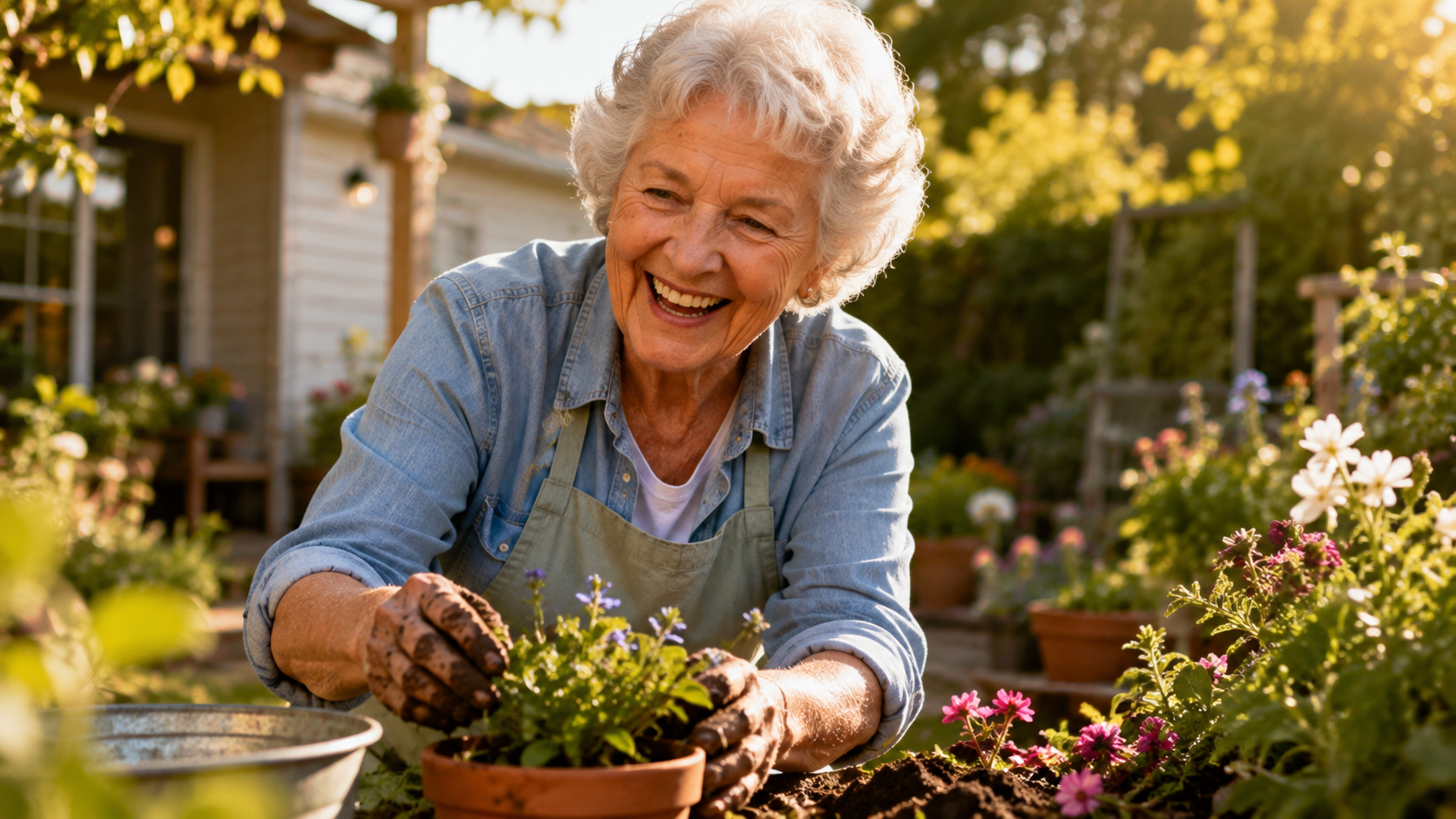
Happiness isn’t simply something that happens to you — research in positive psychology increasingly shows it’s substantially influenced by specific, learnable habits and practices. Understanding happiness habits for older adults means looking beyond vague encouragement to “stay positive” toward concrete, research-supported practices that genuinely shape emotional wellbeing over time.
Having worked with seniors building genuine, sustainable happiness even amid real life challenges, I want to walk through the habits that actually make a measurable difference, grounded in both research and practical, everyday reality.
How Happiness Habits Sometimes Shift With Age
Interestingly, research on happiness across the lifespan has found that many older adults report greater emotional stability and life satisfaction than younger adults, despite often facing genuine health and other challenges. This phenomenon suggests that some happiness habits — particularly emotional regulation and the capacity to focus on genuinely meaningful priorities rather than getting caught up in minor frustrations — may actually become somewhat more natural and accessible with age and accumulated life experience.
Understanding this can itself feel encouraging: rather than assuming happiness naturally becomes harder to access as circumstances change with age, evidence suggests older adults often have genuine advantages in certain happiness-related capacities, building on decades of navigating life’s ups and downs, provided they have the tools and support to draw on these accumulated psychological resources effectively.
Recognizing That Happiness and Difficult Emotions Can Coexist
It’s worth explicitly stating that building these happiness habits doesn’t mean eliminating difficult emotions or pretending genuine struggles don’t exist. Sadness, grief, frustration, and worry remain entirely normal, healthy parts of human experience, even for people who’ve built strong happiness habits into their daily lives. The goal isn’t constant, unwavering positivity, but rather building genuine resilience and a foundation of wellbeing that coexists honestly with life’s inevitable difficulties.
This distinction matters because approaching happiness habits with an expectation of eliminating all negative emotion sets an unrealistic, ultimately unhelpful standard. A more honest, sustainable goal involves building genuine capacity to experience the full range of human emotion while also maintaining underlying resilience, connection, and purpose that supports overall wellbeing even during difficult periods.
Why Happiness Habits Matter More Than Circumstances Alone
Research in positive psychology has consistently found that life circumstances — income, health status, even major life events — explain a surprisingly modest portion of overall happiness, while daily habits and mindset patterns account for a considerably larger share. This finding offers genuine hope: even amid circumstances you cannot control, deliberately cultivated habits can meaningfully shape your overall sense of contentment and wellbeing.
This doesn’t mean circumstances don’t matter at all, or that genuine hardship should be minimized, but it does mean that happiness remains substantially within your influence, regardless of your current health status, financial situation, or other life circumstances that may feel largely outside your direct control.
Building Happiness Habits Around Existing Daily Routines
Rather than treating happiness habits as entirely separate additions requiring significant new time commitment, attaching them to existing daily routines tends to support far more sustainable, consistent practice. A gratitude reflection during your morning coffee, a brief kindness gesture woven into a daily errand, or savoring a favorite evening ritual more fully all integrate these habits into life you’re already living, rather than requiring an entirely separate block of time carved out specifically for happiness practice.
This integration approach also reflects something genuinely true about how happiness habits work best — not as occasional, isolated interventions, but as a consistent orientation woven throughout ordinary daily life, transforming routine moments into opportunities for genuine wellbeing rather than treating happiness-building as a separate, additional task competing for your already limited time and energy.
Practice Regular Gratitude
Consistently noticing and acknowledging things you’re grateful for, even small ones, has been linked in extensive research to measurable improvements in mood and life satisfaction.
How to build this habit: Setting aside a few minutes several times weekly to note specific things you’re grateful for, whether through journaling or simply mental reflection, provides genuine, research-supported mood benefit that compounds with consistent practice over time.
Prioritize Social Connection
Social connection consistently emerges as one of the strongest predictors of happiness across virtually all major happiness research, making relationship investment a genuinely foundational happiness habit.
How to build this habit: Actively scheduling regular contact with friends and family, rather than waiting for connection to happen spontaneously, ensures this crucial happiness factor receives consistent attention rather than being deprioritized amid other daily demands.
Engage in Physical Activity Regularly
Beyond its well-documented physical health benefits, regular movement has consistently been linked to improved mood and reduced symptoms of depression and anxiety.
How to build this habit: Even moderate activity, like daily walking, provides meaningful mood benefit, making this one of the most accessible happiness habits available regardless of fitness level or physical limitations.
Cultivate a Sense of Purpose
Research consistently links a genuine sense of purpose to greater life satisfaction and even physical health benefits, making purposeful engagement a significant happiness habit worth actively cultivating.
How to build this habit: Identifying activities that feel genuinely meaningful — volunteering, mentoring, creative projects, family involvement — and prioritizing regular time for these pursuits supports this crucial dimension of sustained happiness and life satisfaction.
Practice Acts of Kindness

Helping others, even in small ways, has been shown in research to boost the happiness of the giver, not just the recipient, making generosity a genuine happiness-building habit.
How to build this habit: Looking for small, regular opportunities to help others — a kind word, a small favor, genuine attention during conversation — builds this habit into everyday interactions rather than requiring elaborate, occasional gestures of generosity.
Savor Positive Experiences Fully
Rather than rushing through pleasant moments, deliberately slowing down to fully notice and appreciate positive experiences as they happen has been linked to greater overall happiness.
How to build this habit: During genuinely enjoyable moments — a good meal, time with loved ones, a beautiful view — consciously pausing to notice and appreciate the experience, rather than immediately moving to the next task, helps extract fuller emotional benefit from positive experiences you’re already having.
Limit Social Comparison
Constantly comparing yourself to others, particularly through curated social media presentations of others’ lives, has been linked to reduced happiness and life satisfaction.
How to build this habit: Practicing awareness of when comparison thinking arises, and gently redirecting attention back to your own genuine values and experiences rather than others’ apparent circumstances, supports more stable, internally grounded happiness less dependent on constant external comparison.
Get Adequate, Quality Sleep
Sleep quality significantly affects mood regulation and emotional resilience, making consistent, adequate sleep a foundational, if sometimes overlooked, happiness habit.
How to build this habit: Prioritizing consistent sleep timing and good sleep hygiene practices, discussed in more detail in our broader sleep-focused articles, supports the physiological foundation that makes other happiness habits more effective and sustainable.
Practice Self-Compassion
Treating yourself with the same kindness you’d offer a good friend, rather than harsh self-criticism, has been linked to greater emotional resilience and overall happiness.
How to build this habit: Noticing self-critical internal dialogue and consciously practicing a more compassionate internal voice, particularly during difficult moments or setbacks, builds this crucial happiness-supporting habit over time with consistent practice.
Making Room for Small, Everyday Joys
Beyond the more structured habits discussed throughout this article, it’s worth deliberately making room for small, spontaneous moments of joy that don’t require formal practice at all — the taste of a favorite meal, a funny moment shared with a grandchild, sunlight through a window on a quiet afternoon. These small, everyday pleasures often get overlooked amid busier, more goal-oriented happiness practices, yet they genuinely contribute to overall life satisfaction in their own right.
Giving yourself permission to notice and enjoy these small moments, without needing to justify them as productive or meaningful in any larger sense, supports a more complete, textured experience of happiness than focusing exclusively on structured habits alone. Sometimes the simplest, most unplanned moments of genuine enjoyment matter just as much as the more deliberate practices discussed throughout the rest of this article, adding a layer of spontaneous delight to a life otherwise organized around intentional happiness-building.
Understanding That Setbacks Don’t Erase Progress
As with any meaningful habit-building effort, you’ll likely experience periods where these happiness practices feel harder to maintain — during illness, stressful life events, or simply periods of lower motivation. It’s worth understanding that these inevitable setbacks don’t erase whatever genuine progress you’ve already made, and returning to these habits after a lapse, rather than abandoning them entirely out of discouragement, remains entirely possible and valuable.
Treating occasional lapses as a normal, expected part of any long-term habit-building process, rather than evidence of personal failure, tends to support more resilient, sustained engagement with these practices over months and years, rather than an all-or-nothing approach that abandons genuinely valuable habits after a single difficult period when maintaining them felt harder than usual.
Sharing These Habits With Family and Friends
Happiness habits often strengthen when shared with others, whether through a shared gratitude practice with a spouse, a walking routine with a friend, or simply discussing what genuinely brings you joy with family members who care about your wellbeing. This social dimension adds accountability and connection to habits that might otherwise remain purely individual, potentially amplifying their benefit through the added relational component this sharing creates.
Consider inviting a friend or family member to join you in building one of these habits together — perhaps a weekly call specifically focused on sharing what you’re each grateful for, or a regular walk that combines physical activity with genuine social connection. This kind of shared practice serves double duty, supporting both the individual happiness habit itself and the relationship through which you’re practicing it together, creating a genuinely reinforcing cycle of wellbeing benefit.
Building These Habits Into a Sustainable Routine
Rather than attempting every happiness habit simultaneously, choosing one or two that feel most relevant to your current life and genuinely building them into consistent practice tends to produce more meaningful, lasting results than an ambitious but ultimately unsustainable attempt at comprehensive change all at once.
For a broader look at gratitude specifically, our article on how gratitude improves mental health covers this particular happiness habit in greater depth, complementing the broader practices discussed throughout this article.
According to the National Institute on Aging, positive psychology practices, including gratitude, social connection, and purposeful engagement, significantly support emotional wellbeing throughout the aging process.
Frequently Asked Questions
Can happiness habits genuinely help even during difficult life circumstances? Yes — while these habits don’t eliminate genuine hardship, research consistently shows they provide meaningful additional resilience and wellbeing benefit even alongside real difficulties, rather than requiring circumstances to be ideal before providing value.
How long does it take before these habits produce noticeable happiness benefits? Many people notice initial mood benefits within weeks of consistent practice, while more substantial, stable increases in overall life satisfaction typically develop over several months of sustained habit-building.
Is it normal to feel skeptical that simple habits could genuinely affect happiness? Yes — this skepticism is common, though the research supporting these specific practices is genuinely robust, drawn from extensive studies across large populations rather than anecdotal claims alone.
Should I try to build all these happiness habits at once? No — starting with just one or two habits that feel most relevant and building genuine consistency before adding others tends to produce more sustainable, lasting results than attempting comprehensive change simultaneously across every habit discussed throughout this article.
Conclusion
Happiness habits for older adults — gratitude, social connection, purposeful engagement, and self-compassion among them — offer genuine, research-supported pathways to greater life satisfaction, regardless of specific life circumstances. Building even a few of these habits consistently into your daily life offers meaningful, lasting benefit for your overall wellbeing throughout the years ahead.
Approaching Happiness as a Practice, Not a Destination
Perhaps the most important shift involves viewing happiness not as a fixed destination to eventually reach, but as an ongoing practice cultivated through consistent, daily habits maintained over the long term. This reframing removes the pressure of needing to feel perpetually happy, replacing it with a more sustainable, realistic focus on consistently practicing the habits that genuinely support greater wellbeing, even amid life’s inevitable ups and downs along the way.
Letting These Habits Grow Naturally From Your Own Values
The happiness habits discussed throughout this article work best when they genuinely align with your own individual values and interests, rather than feeling like external obligations imposed from outside. Someone who finds deep meaning through creative expression might build their purpose habit around art or writing, while someone who values community might center theirs on volunteer work or civic engagement. Allowing these general categories to take shape according to your own authentic interests, rather than following a rigid, generic template, tends to produce habits that feel genuinely sustainable rather than another item on an obligatory checklist.
This personalization also extends to pacing — some people thrive with a structured, scheduled approach to habit-building, while others do better with a more flexible, intuitive integration of these practices into daily life. Trusting your own sense of what feels genuinely sustainable, rather than assuming there’s one single correct way to build these happiness habits, tends to support the kind of long-term, authentic practice that produces real, lasting benefit rather than a short-lived burst of effort that fades once initial motivation wanes.
Disclaimer: This article is intended for general informational and educational purposes only and does not constitute medical or mental health advice. If persistent low mood significantly affects your daily functioning, please consult your doctor or a mental health professional.