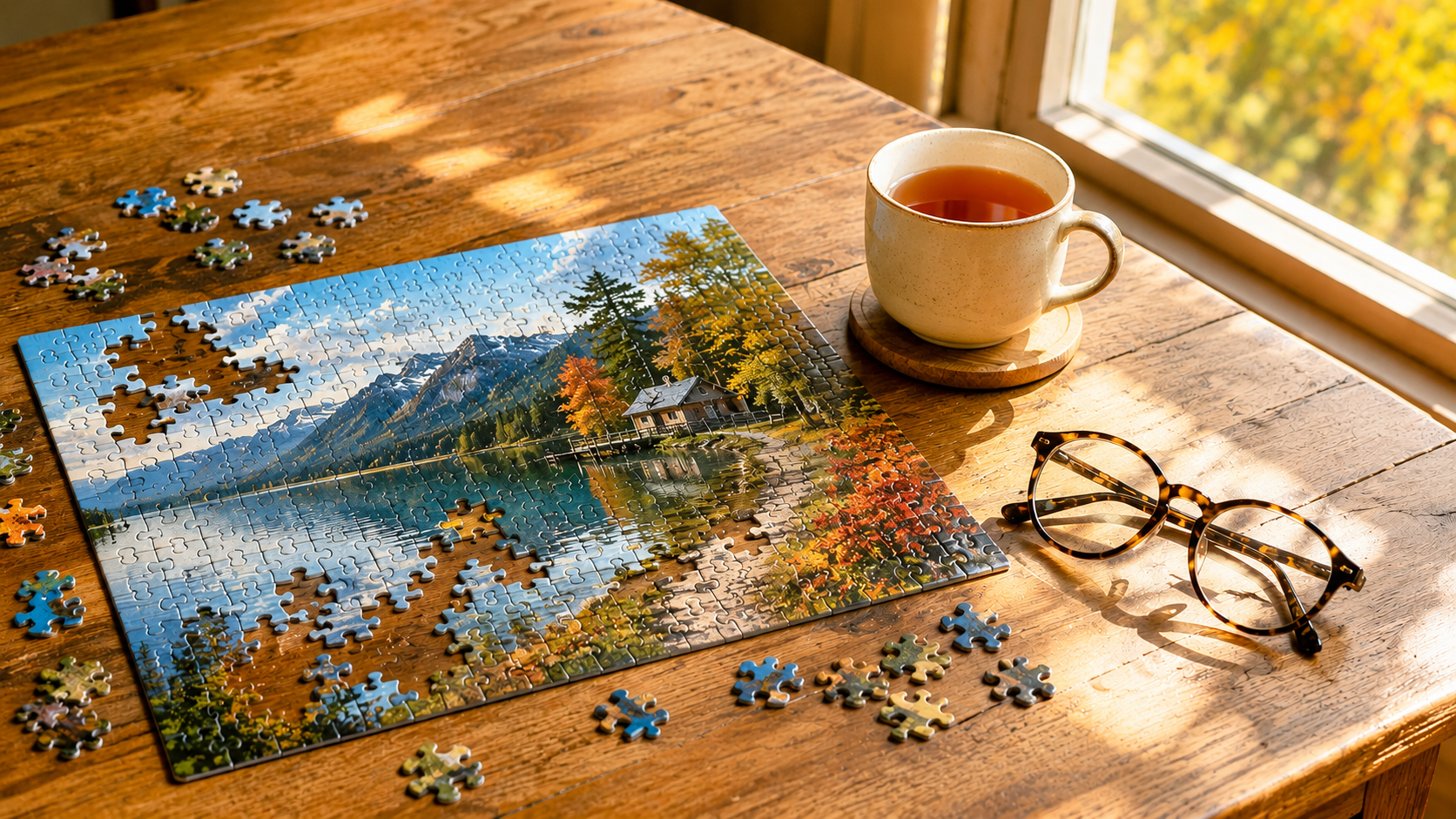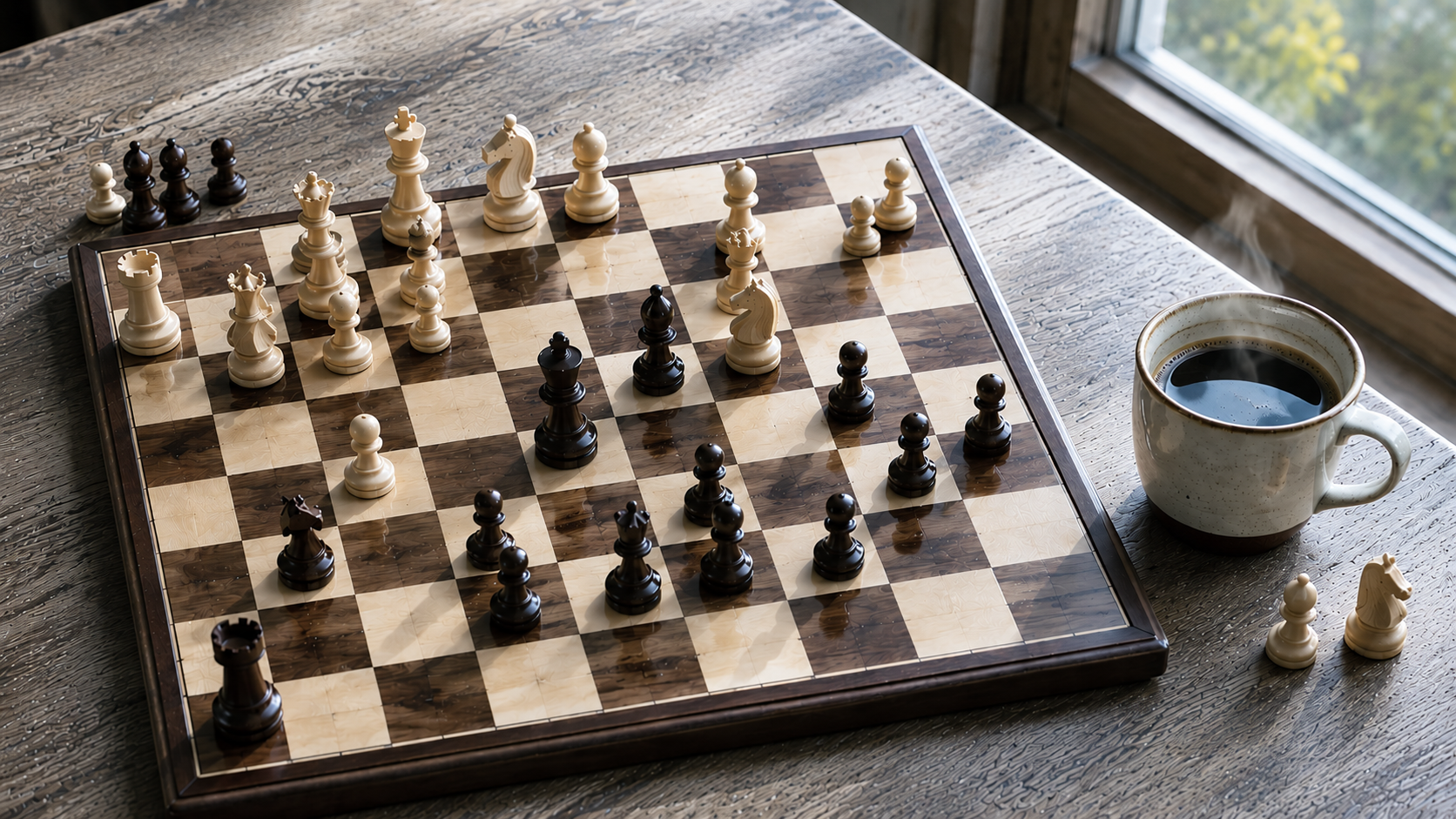
A genuinely good hobby for brain health does more than pass the time — it challenges your mind, often connects you with others, and provides the kind of sustained engagement that research consistently links to better cognitive outcomes. Understanding the best hobbies for brain health means looking for activities that combine genuine enjoyment with real cognitive challenge, rather than passive pastimes that fill time without meaningfully engaging the brain.
Having worked with seniors who’ve found real cognitive and emotional benefit through the right hobbies, I want to walk through what research supports, and how to find activities that feel like genuine enjoyment rather than an obligation.
Why Hobbies Often Outperform Structured Cognitive Exercises
Interestingly, research increasingly suggests that genuinely engaging hobbies may provide comparable or even greater cognitive benefit than structured “brain training” exercises specifically designed for cognitive improvement. This likely relates to the sustained engagement hobbies naturally support — people tend to stick with activities they genuinely enjoy far longer than they persist with exercises that feel like a chore, even when the exercise is theoretically well-designed for cognitive benefit.
Additionally, most meaningful hobbies engage multiple cognitive domains simultaneously — planning, problem-solving, fine motor skills, sometimes social interaction — rather than narrowly targeting a single cognitive function the way many dedicated brain-training programs do. This multi-domain engagement may explain why the research on hobbies and cognitive health, particularly studies following people over many years, shows such consistently positive associations between hobby engagement and better long-term cognitive outcomes.
The Difference Between Passive and Active Leisure
Not all leisure activities offer equal cognitive benefit, and it’s worth distinguishing between passive leisure — watching television, browsing social media without particular purpose — and active leisure, which requires genuine mental engagement and often skill development. While passive leisure certainly has its place for relaxation and downtime, research consistently associates active leisure specifically with better cognitive outcomes, suggesting the engagement itself, not simply “doing something,” drives the cognitive benefit.
This distinction doesn’t mean passive relaxation should be eliminated entirely — rest and downtime serve genuine purposes too — but it does suggest that prioritizing active hobbies, even if only for a portion of leisure time, provides meaningfully more cognitive benefit than filling all available leisure time with passive activities alone.
Gardening for Multi-Sensory Engagement
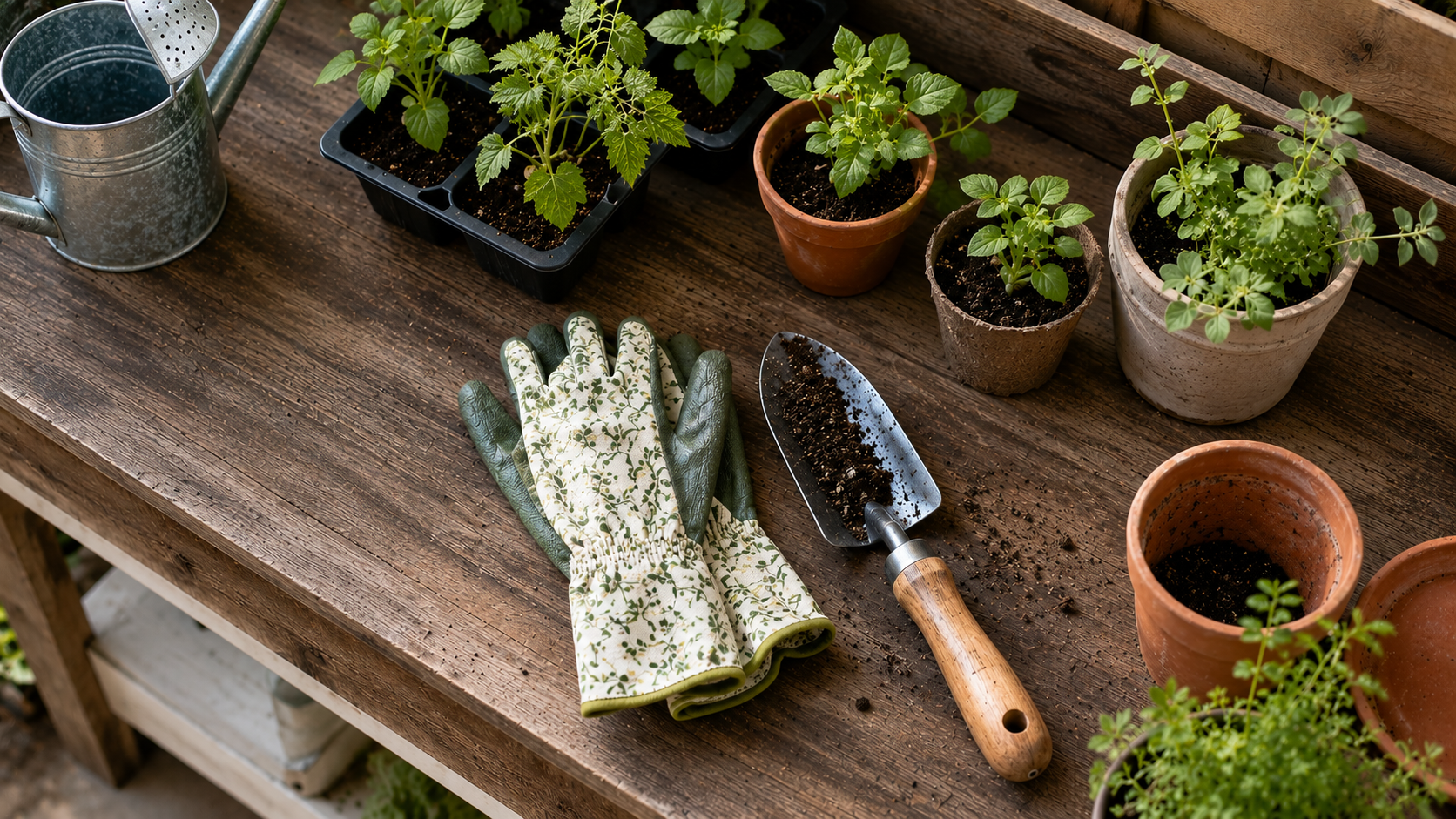
Gardening engages planning, problem-solving, physical activity, and multi-sensory stimulation simultaneously, making it a genuinely comprehensive activity for both cognitive and physical health. The combination of planning what to plant, problem-solving pest or weather challenges, and the physical activity of tending a garden provides varied, ongoing cognitive engagement.
Why it works: Research has specifically linked regular gardening to improved mood, reduced stress, and cognitive benefits associated with the combination of physical activity and mental engagement the activity requires.
Painting and Drawing for Visual-Spatial Skills
Creative visual arts engage visual-spatial processing, fine motor coordination, and often problem-solving as you work through composition and technique challenges. Unlike some hobbies that quickly become routine, art offers essentially unlimited room for continued growth and challenge as skills develop.
Why it works: Studies on creative engagement in older adults have shown associations with improved mood and some evidence of cognitive benefit, alongside the emotional satisfaction many people find in creative expression.
Cooking and Baking for Sequential Processing
Cooking, particularly following and adapting recipes, engages memory, sequential processing, and sensory attention simultaneously. The combination of following steps in order, adjusting for ingredient substitutions, and attending to smell, taste, and texture provides varied cognitive engagement within a single, enjoyable activity.
Why it works: Trying new recipes regularly, rather than only repeating familiar dishes, provides the ongoing novelty that supports sustained cognitive benefit, while the activity itself remains grounded in an enjoyable, practical daily task.
Woodworking and Building Crafts for Spatial Reasoning
Woodworking, model building, and similar crafts engage spatial reasoning, planning, and fine motor precision, requiring you to visualize a finished project and work through the sequential steps needed to achieve it.
Why it works: The combination of physical craftsmanship and mental planning provides sustained cognitive engagement, while the tangible, visible progress of a project provides genuine satisfaction that supports continued engagement over time.
Photography for Observation and Technical Skill
Photography combines creative and technical thinking, requiring attention to composition, lighting, and often technical camera settings, while also encouraging genuine observation of your surroundings in a way that many people find meditative and engaging.
Why it works: The technical learning curve of photography provides ongoing cognitive challenge, while the creative and observational aspects offer genuine enjoyment that supports sustained engagement, particularly as skills develop and new techniques are explored.
Genealogy Research for Memory and Problem-Solving
Researching family history engages memory, research skills, and often historical and cultural learning, while also connecting participants to their own personal history and family identity in a personally meaningful way.
Why it works: The detective-like problem-solving involved in genealogy research — piecing together records, verifying information, following leads — provides genuine cognitive challenge, while the personal, meaningful nature of the subject matter tends to support sustained motivation and engagement.
Volunteering for Purpose and Social Connection

While not always categorized as a traditional “hobby,” volunteering combines purpose, social connection, and often genuine cognitive challenge depending on the specific role, making it one of the more comprehensively beneficial activities available.
Why it works: Research has specifically linked volunteering in later life to better cognitive outcomes, likely related to the combination of social engagement, sense of purpose, and often genuine skill or knowledge application the activity requires.
Learning a Craft Like Knitting or Sewing
Needlecrafts like knitting, crocheting, or sewing engage fine motor skills, pattern following, and sustained attention, while often producing tangible, useful items that provide genuine satisfaction alongside the cognitive engagement.
Why it works: The repetitive but attention-requiring nature of these crafts has been associated in some research with reduced stress and anxiety, alongside the cognitive engagement of pattern-following and fine motor coordination.
Overcoming Barriers to Starting a New Hobby
Common obstacles to trying a new hobby include cost concerns, uncertainty about where to start, physical limitations, or simply the discomfort of being a beginner after decades of competence in other areas of life. Many hobbies have far lower barriers to entry than people initially assume — community classes, library resources, and secondhand equipment or supplies can significantly reduce cost, while online tutorials and community groups can provide accessible starting points without requiring formal instruction.
For those with physical limitations, most hobbies discussed throughout this article can be adapted — gardening through raised beds or container gardening for those with mobility concerns, crafts adjusted for hand dexterity limitations, or photography using simpler equipment for those uncomfortable with complex technical settings. The goal is finding a genuine point of entry that feels accessible and enjoyable, rather than assuming any physical limitation entirely rules out a hobby that might otherwise provide real value and enjoyment.
What Makes Any Hobby Genuinely Beneficial
Across all these examples, a few common threads distinguish hobbies that provide meaningful cognitive benefit from those that primarily pass time without significant engagement:
Genuine challenge that grows with skill. Hobbies that offer room for continued learning and improvement provide more sustained cognitive benefit than activities that quickly become fully automatic and require no further mental effort.
Multi-domain engagement. Activities that combine physical movement, planning, creativity, or social connection tend to offer more comprehensive benefit than purely passive or single-domain activities.
Genuine enjoyment. The most cognitively beneficial hobby is ultimately the one you’ll actually continue doing consistently, meaning personal enjoyment matters as much as any theoretical cognitive advantage a particular activity might hold.
How Hobbies Support Emotional Wellbeing Alongside Cognitive Health
Beyond the specific cognitive benefits discussed throughout this article, hobbies offer significant emotional value that indirectly supports cognitive health as well. A sense of purpose, accomplishment, and identity outside of family or work roles becomes particularly valuable during retirement, when previous sources of structure and purpose may have diminished considerably. Hobbies that produce tangible results — a finished garden bed, a completed craft project, a well-documented family tree — provide genuine satisfaction and a visible marker of accomplishment that supports positive mood and self-esteem.
This emotional dimension matters for cognitive health because chronic stress and depression are both independently linked to worse cognitive outcomes, meaning the mood benefits of engaging, purposeful hobbies may provide cognitive protection through this indirect pathway, alongside the more direct cognitive engagement the activities themselves provide. A hobby that brings genuine joy and satisfaction is rarely “just” a pleasant pastime — it often represents a meaningful contributor to overall wellbeing that touches multiple aspects of health simultaneously.
Building Hobbies Into a Sustainable Weekly Routine
Rather than treating a hobby as something to pursue only when time allows, deliberately scheduling regular time for hobby engagement — even just a few hours weekly — tends to support more consistent, sustained involvement than a purely spontaneous approach. This might mean a standing gardening session each weekend, a weekly craft group meeting, or a regular block of time set aside for photography walks or genealogy research.
This kind of consistent scheduling helps hobbies compete successfully against the many other demands on time and attention, ensuring that genuinely beneficial activities don’t get consistently deprioritized in favor of less engaging but more immediately convenient options like passive television watching, even when the hobby itself is genuinely more enjoyable once actually engaged in.
Finding the Right Hobby for You
If you’re looking to start a new hobby specifically for cognitive benefit, consider what genuinely interests you rather than simply what research suggests is “best” in the abstract. A hobby you find tedious, however theoretically beneficial, will likely be abandoned quickly, while genuine enjoyment supports the kind of sustained, long-term engagement that actually produces meaningful cognitive benefit over months and years.
It’s also worth considering practical factors like cost, physical requirements, and accessibility of instruction or community — hobbies with active local communities, like gardening clubs or craft groups, often provide the added benefit of social connection alongside the cognitive engagement of the activity itself.
For a broader look at other cognitively engaging activities beyond traditional hobbies, our article on the best brain exercises for seniors covers additional options that complement hobby-based cognitive engagement.
According to the National Institute on Aging, engaging in enjoyable, mentally stimulating activities supports cognitive health as part of a broader pattern of healthy lifestyle habits throughout aging.
Frequently Asked Questions
Do I need to be skilled at a hobby to receive cognitive benefit? No — the cognitive benefit comes primarily from genuine engagement and appropriate challenge, not from achieving mastery. Even beginners at a new hobby receive meaningful cognitive stimulation from the learning process itself.
Is it better to have one deep hobby or several varied ones? Both approaches offer value — a single hobby practiced deeply provides ongoing challenge as skills develop, while several varied hobbies provide broader engagement across different cognitive domains. Many people find a combination works well.
Can hobbies replace other cognitive health strategies like exercise or social connection? Hobbies work best as part of a comprehensive approach rather than a complete substitute for other strategies, though many hobbies naturally incorporate physical activity or social connection alongside their cognitive benefits.
Is it too late to start a new hobby later in life for cognitive benefit? No — research consistently shows cognitive and emotional benefits from starting new hobbies at any age, including well into a person’s 70s, 80s, and beyond, regardless of prior experience with the activity.
Letting Hobbies Evolve Naturally Over Time
Interests and capabilities naturally shift over the years, and a hobby that felt perfectly suited at 65 may need adaptation or replacement by 85, whether due to changing physical capabilities, shifting interests, or simply a desire for new challenge after mastering an existing pursuit. Rather than viewing this evolution as abandoning a hobby, it’s worth embracing it as a natural, healthy part of a lifelong relationship with engaging activity.
This flexibility — allowing hobbies to evolve, combine, or be replaced as genuine interest and circumstances change — tends to support more sustained lifelong engagement than rigidly maintaining the exact same activity indefinitely out of habit or obligation, even after genuine enjoyment or appropriate challenge has diminished.
Conclusion
The best hobbies for brain health combine genuine enjoyment with real cognitive challenge — whether through gardening, art, cooking, crafts, or volunteering. Rather than searching for a single “correct” answer, finding activities that genuinely interest you and offer room for continued growth provides the sustained engagement that actually produces meaningful, lasting cognitive benefit, regardless of your current skill level or how long it’s been since you tried something new.
Disclaimer: This article is intended for general informational and educational purposes only and does not constitute medical advice. Please consult your doctor if you have concerns about memory or cognitive changes.