Snacking often gets a bad reputation, but for older adults, thoughtfully chosen snacks can genuinely help fill important nutritional gaps, particularly when appetite or smaller meal sizes make it harder to get everything you need in just three meals a day. Understanding which healthy snacks for older adults actually deliver meaningful nutrition, rather than empty calories, can turn snacking into a genuine ally for your health rather than something to feel guilty about or avoid entirely.
Having worked with seniors navigating changing appetites and nutritional needs, I want to walk through snack options that genuinely support energy, muscle health, and steady blood sugar, along with why snacking itself deserves a more positive reputation at this life stage.
Why Snacking Deserves a Better Reputation With Age
For younger adults, snacking advice often centers on avoidance — resisting between-meal urges in the name of weight management. For older adults, the calculus often shifts considerably. Reduced appetite, smaller stomach capacity, and increased nutrient needs (particularly for protein) mean that thoughtfully chosen snacks can play a genuinely important role in meeting daily nutritional targets that three meals alone might not fully cover.
Rather than viewing snacks as something to minimize, reframing them as an opportunity — a chance to add protein, fiber, or specific nutrients that might otherwise be missed — tends to support better overall nutrition, particularly for those managing appetite changes common with age.
How Snacking Supports Medication Timing and Blood Sugar Stability
Beyond general nutrition, well-timed snacks can play a practical role in supporting medication schedules, since certain medications require food to prevent stomach upset or to support proper absorption, and a snack can bridge the gap when a meal isn’t scheduled at the right time relative to a dose. Snacks also help prevent the significant blood sugar dips that can occur during longer gaps between meals, which can contribute to irritability, fatigue, and difficulty concentrating, sometimes mistaken for other health concerns when the underlying cause is simply extended time without eating.
This practical role — supporting medication schedules and preventing uncomfortable blood sugar dips — adds another genuine reason to view snacking as a helpful tool rather than something to avoid, particularly for those managing multiple medications with specific timing requirements relative to food intake.
Snacking to Support Hydration
Some snack choices can also contribute meaningfully to daily hydration, an area where many older adults fall short due to decreased thirst sensitivity. Water-rich snacks like cucumber slices, watermelon, or soup-based options provide hydration alongside their other nutritional benefits, offering a dual-purpose snack option worth incorporating alongside the more protein-focused choices discussed throughout this article.
Pairing any snack with a glass of water, rather than treating hydration as an entirely separate consideration, can help build a habit that naturally supports both nutritional and hydration needs simultaneously throughout the day, without requiring separate, additional effort to remember drinking water on its own.
The Foods Worth Reaching For
Not all snacks are created equal. Here are the options that genuinely support your body, rather than just filling time between meals.
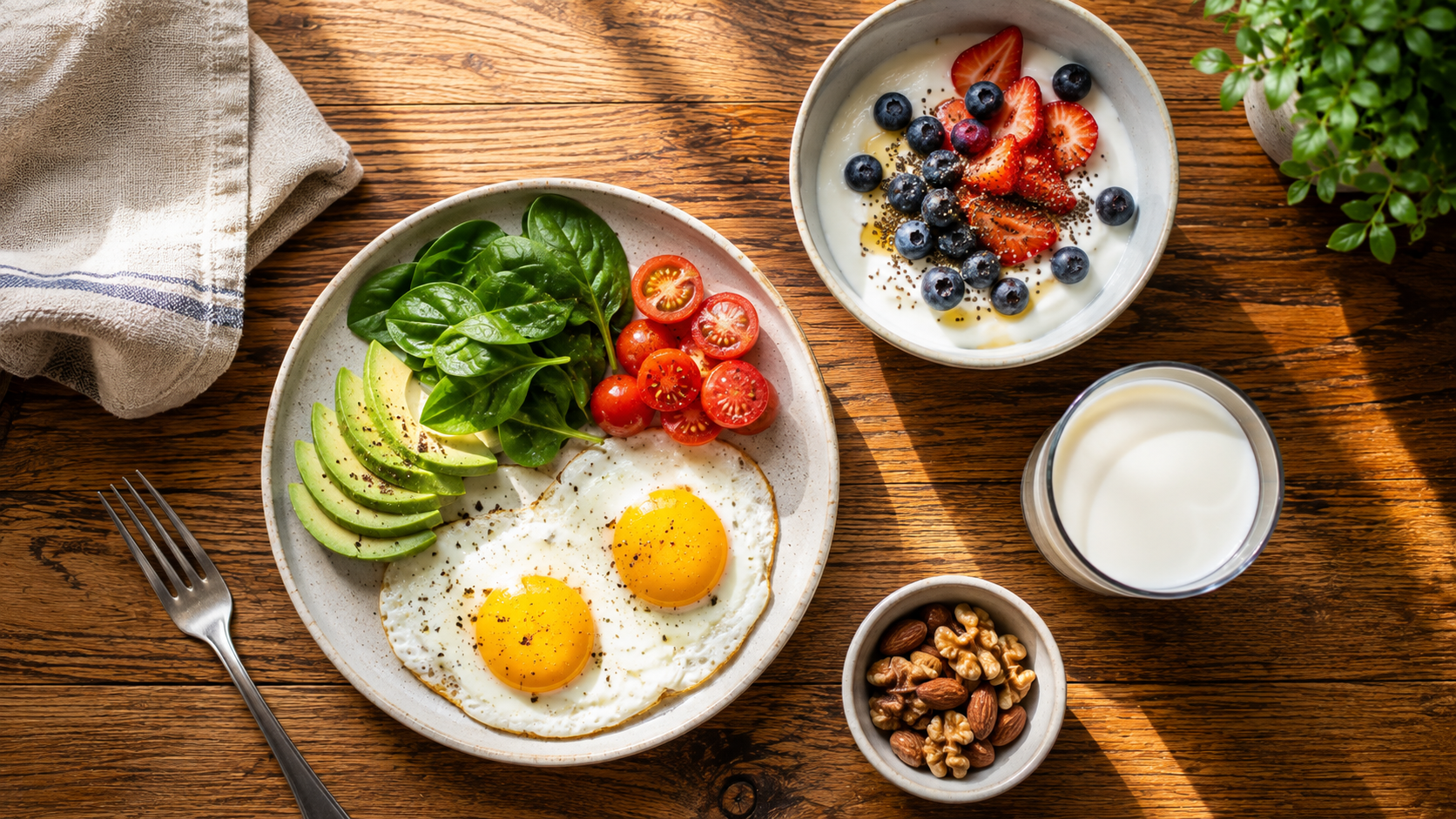
Greek Yogurt With Berries
This combination provides protein, probiotics, and antioxidants in one convenient package, making it one of the most nutritionally complete snack options available.
Why it works: The protein content supports muscle maintenance, while the probiotics support digestive health and the berries add fiber and antioxidants, addressing multiple nutritional priorities simultaneously in a single, easy snack.
Hard-Boiled Eggs
Eggs provide complete protein along with choline, a nutrient particularly important for brain health, in a portable, easy-to-prepare package that requires minimal effort.
Why it works: Hard-boiled eggs can be prepared in advance and kept refrigerated for several days, making them a genuinely convenient option for maintaining consistent protein intake between meals without requiring daily preparation.
A Small Handful of Nuts
Almonds, walnuts, and other nuts provide healthy fats, protein, and fiber, offering sustained energy without the blood sugar spike associated with more processed snack options.
Why it works: The combination of protein, fat, and fiber in nuts helps slow digestion, providing more stable, sustained energy compared to simple carbohydrate snacks that digest quickly and can lead to an energy crash shortly afterward.
Cottage Cheese With Fruit
Cottage cheese offers one of the higher protein-to-calorie ratios among dairy products, and pairing it with fresh fruit adds fiber and natural sweetness without relying on added sugar.
Why it works: This combination provides substantial protein alongside the vitamins and fiber from fruit, making it a particularly efficient choice for those needing to maximize nutrition within a smaller snack portion.
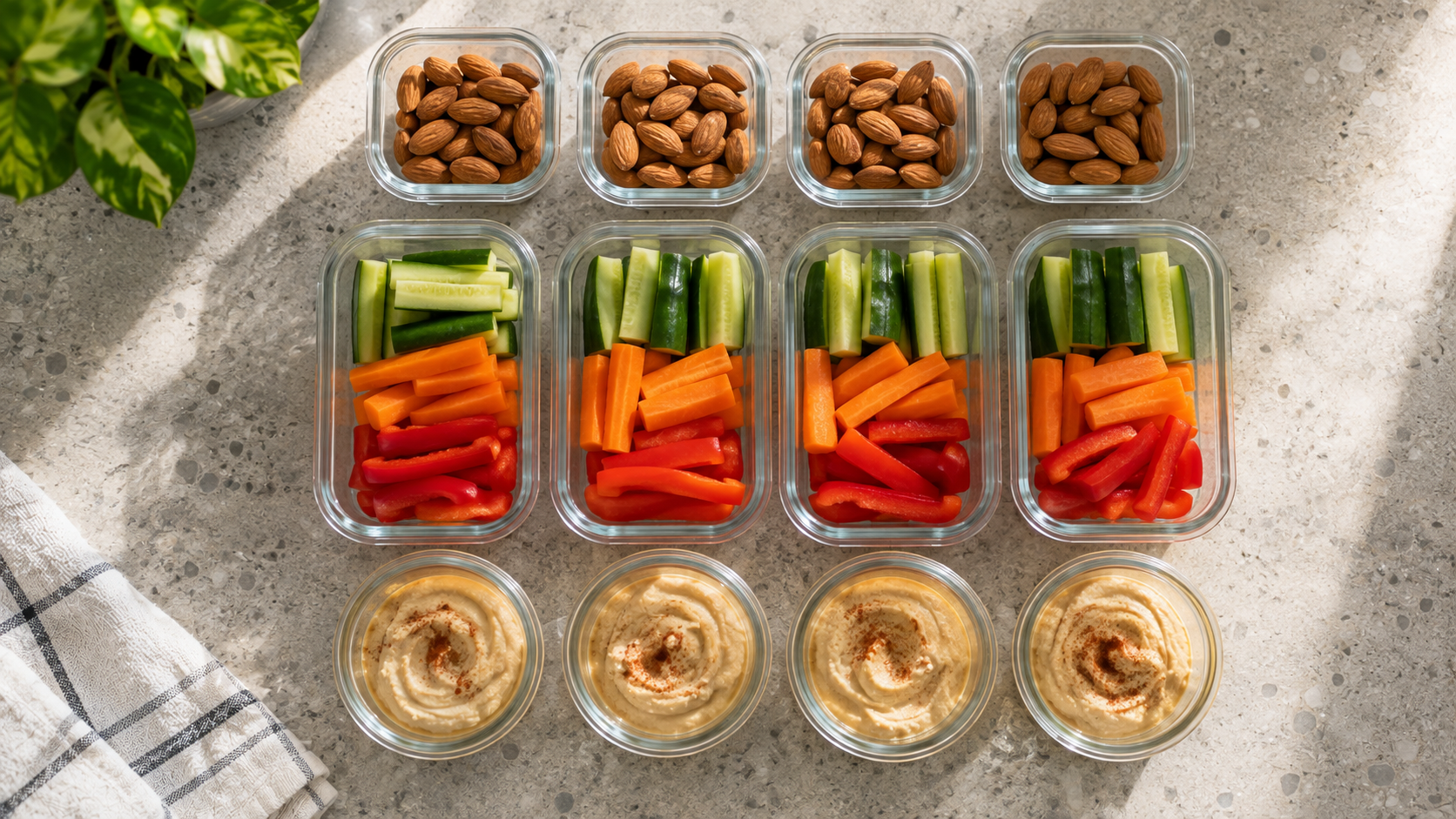
Hummus With Vegetables
Hummus provides plant-based protein and fiber from chickpeas, while fresh vegetables add additional fiber, vitamins, and satisfying crunch without significant calories.
Why it works: This combination supports stable blood sugar and digestive health simultaneously, while the vegetables provide a satisfying textural element that many purely soft or liquid snacks lack.
Apple Slices With Nut Butter
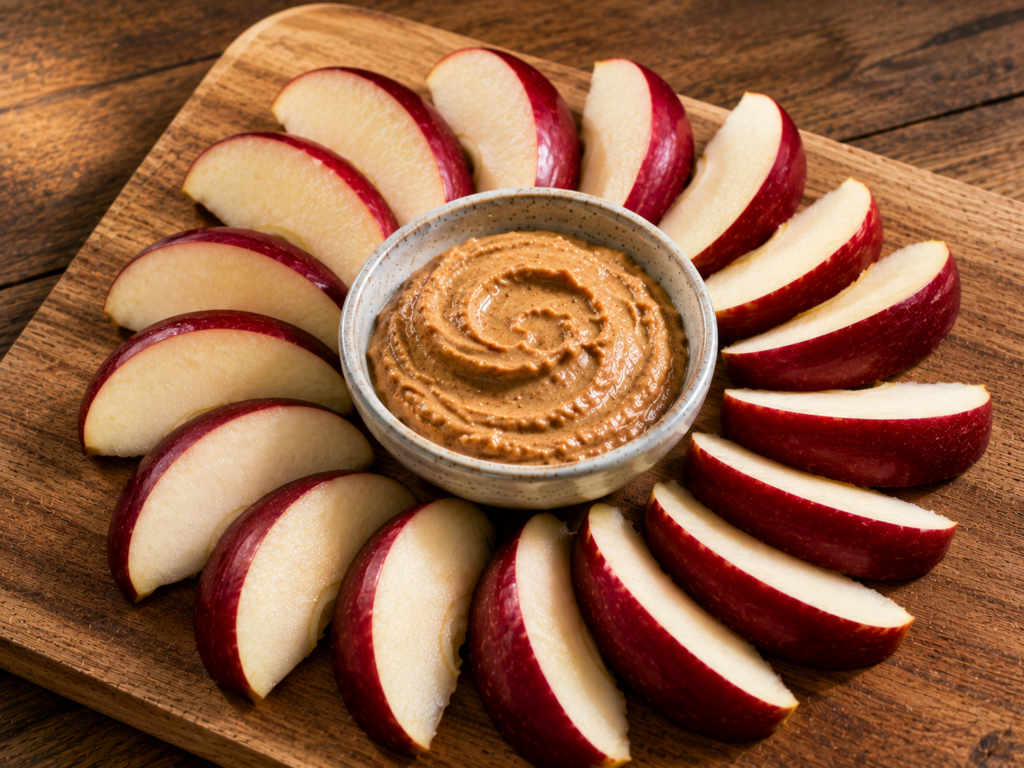
This classic combination pairs fiber-rich fruit with protein and healthy fat from nut butter, providing balanced, sustained energy rather than the quick spike and crash of fruit alone.
Why it works: The nut butter slows the digestion of the natural sugars in the apple, providing steadier energy than fruit consumed on its own, while still delivering genuine nutritional value from both components.
Edamame
These young soybeans provide plant-based protein and fiber in a satisfying, easy-to-prepare snack that also offers a pleasant textural experience many people find genuinely enjoyable.
Why it works: Edamame’s combination of protein and fiber supports both muscle health and digestive health, while its distinct texture and flavor offer welcome variety compared to more common snack choices.
Whole Grain Crackers With Cheese
This combination provides fiber from whole grains alongside protein and calcium from cheese, offering a more balanced alternative to refined crackers eaten alone.
Why it works: Choosing whole grain over refined crackers specifically supports more stable blood sugar, while the cheese adds meaningful protein and calcium that plain crackers alone wouldn’t provide.
Snacking Socially, Not Just Alone
Snack time doesn’t need to be a solitary experience. Sharing a snack with a spouse, neighbor, or during a phone call with family can add a genuine social dimension to what might otherwise be a purely functional, isolated moment in the day. This social element matters more than it might initially seem, given how much regular social connection contributes to overall wellbeing and even cognitive health, as discussed in our broader articles on healthy aging.
Something as simple as inviting a neighbor over for coffee and a shared plate of fruit and cheese, or timing a snack to coincide with a regular phone call with a grandchild, transforms a routine nutritional moment into something that also nourishes social connection, adding value well beyond the nutritional content of the snack itself.
Snacks Worth Approaching More Carefully
While occasional treats have their place, certain common snack choices offer relatively little nutritional value while contributing significant calories, added sugar, or excessive sodium — including many packaged cookies, chips, and candy. This doesn’t mean these foods need to be eliminated entirely, but being mindful of how frequently they replace more nutrient-dense options matters for overall dietary quality, particularly for those with smaller overall calorie needs where each food choice carries relatively more nutritional weight.
Addressing Reduced Appetite Through Snacking
For those experiencing reduced appetite, smaller, more frequent nutrient-dense snacks throughout the day can sometimes provide better overall nutrition than struggling through three larger meals that feel overwhelming. This approach shifts the goal from “eating enough at each meal” to “getting enough nutrition across the whole day,” which can feel considerably less pressured for those genuinely struggling with appetite.
If this pattern describes your situation, working with a doctor or registered dietitian to ensure this snack-forward approach still meets your overall nutritional needs can provide helpful, personalized guidance beyond general recommendations.
Making Snacks Convenient and Accessible
Practical barriers — difficulty preparing food, limited energy for cooking, or simply not having appropriate snacks on hand — can undermine even the best intentions around healthy snacking. A few strategies help: pre-portioning nuts or cut vegetables into small containers when energy allows, keeping hard-boiled eggs prepared in advance, and choosing pre-cut or pre-washed produce when budget allows, reducing the preparation burden that might otherwise lead to reaching for less nutritious, more convenient alternatives.
Building Snacks Into a Realistic Daily Pattern
Rather than snacking randomly whenever hunger strikes, some structure can support more consistent nutrition: a mid-morning snack if breakfast was smaller or earlier, a mid-afternoon snack to prevent excessive hunger before dinner, and potentially a small evening snack if dinner is earlier or lighter than ideal. This kind of loose structure, rather than rigid rules, tends to support both better nutrition and more comfortable, sustainable eating patterns throughout the day.
For a broader look at protein-specific nutrition that complements many of these snack choices, our article on high-protein foods after 60 covers additional strategies for meeting increased protein needs throughout the day.
According to the National Institute on Aging, nutrient-dense snacks can play a valuable role in helping older adults meet daily nutritional needs, particularly when appetite or smaller meal portions make three meals alone insufficient.
Frequently Asked Questions
Is it bad to snack between meals as an older adult? Not at all — for many seniors, particularly those with reduced appetite, thoughtfully chosen snacks genuinely support meeting daily nutritional needs rather than undermining health, unlike the more restrictive framing sometimes applied to snacking in general health advice.
How many snacks should I eat daily? This varies based on individual appetite, meal sizes, and nutritional needs, but one to two nutrient-dense snacks daily, positioned between meals, works well for many older adults without requiring rigid rules.
What if I have diabetes or blood sugar concerns? The protein and fiber-focused snacks discussed throughout this article generally support more stable blood sugar than simple carbohydrate snacks, though discussing specific snack choices and timing with your doctor or dietitian can provide guidance tailored to your particular medication regimen and blood sugar patterns.
Can snacks replace a meal if appetite is very low? For those with significantly reduced appetite, several smaller nutrient-dense snacks spread throughout the day can sometimes provide better overall nutrition than forcing three larger meals, though this approach is worth discussing with a healthcare provider to ensure adequate overall intake and to rule out any underlying causes of appetite loss worth addressing directly.
Adjusting Snack Choices as Needs Change
Nutritional needs and preferences naturally shift over the years, meaning the snack choices that worked well at 65 may need adjustment by 80, whether due to changes in dental health affecting which textures feel comfortable, changes in medication affecting appetite or specific nutrient needs, or simply evolving taste preferences over time. Periodically reassessing your go-to snack choices, rather than assuming the same rotation remains ideal indefinitely, helps ensure your snacking pattern continues to genuinely serve your current needs rather than reflecting habits established years earlier under different circumstances.
This willingness to adapt — trying softer textures if chewing becomes more difficult, adjusting protein sources if taste preferences shift, or increasing hydration-focused snacks during hotter months — keeps snacking a genuinely useful, responsive tool throughout the years ahead, rather than a fixed routine that gradually becomes less well-suited to your actual, evolving needs.
Conclusion
Healthy snacks for older adults — Greek yogurt with berries, hard-boiled eggs, nuts, and hummus with vegetables among them — offer a genuine opportunity to support energy, muscle health, and steady nutrition between meals. Rather than viewing snacking as something to minimize, embracing thoughtfully chosen snacks as a genuine nutritional tool can meaningfully support your overall health and daily energy.
Letting Snacking Become a Natural, Positive Habit
The best snacking pattern is ultimately one you’ll actually maintain consistently, which means choosing options you genuinely enjoy alongside those that offer the most nutritional value. Building a small rotation of a few favorite, convenient options — rather than forcing variety for its own sake — tends to support more sustainable, positive snacking habits over the years ahead than an approach that feels like a chore to maintain.
Disclaimer: This article is intended for general informational and educational purposes only and does not constitute medical or nutritional advice. Please consult your doctor or a registered dietitian before making significant dietary changes, especially if you have existing health conditions like diabetes.