Work provides a surprising amount of built-in social contact — colleagues, regular meetings, casual conversations throughout the day — that many people don’t fully appreciate until retirement removes it all at once. Learning how to stay social after retirement requires actively rebuilding this connection, rather than assuming it will continue naturally the way it did during working years spent surrounded by daily colleagues.
Having worked with seniors navigating exactly this challenge, I want to walk through genuine, practical strategies for building and maintaining meaningful social connection in retirement, going beyond generic advice to “get out more” toward specific, actionable steps that actually work.
Why Retirement Often Disrupts Social Connection More Than Expected
Work relationships, however genuine, are often built on shared daily proximity and structured interaction — the natural conversations that happen during a shared commute, lunch break, or project collaboration. Once this daily structure disappears, many work friendships naturally fade, not necessarily because they weren’t genuine, but because they lacked the intentional effort needed to sustain them without the built-in structure that originally supported them.
This means retirement often requires actively building new social structures and relationships, rather than simply continuing existing ones, which can feel unexpectedly effortful for those who hadn’t anticipated needing to invest this kind of deliberate energy into social connection after decades of it happening somewhat automatically through work each and every day.
Why Quality Matters More Than Quantity in Retirement Friendships
Research on aging and social relationships consistently finds that the quality and depth of relationships matters more for wellbeing than the sheer number of social contacts, particularly in later life. This is worth keeping in mind if you find yourself comparing your social circle to a busier social calendar someone else might have — a smaller number of genuinely close, supportive relationships often provides more meaningful wellbeing benefit than a large number of more superficial acquaintances.
This research finding can also help reduce pressure to build an extensive social network quickly, allowing instead for a more patient, quality-focused approach that prioritizes depth of connection over rapid expansion of your social circle, which tends to produce more genuinely satisfying, sustainable relationships over the years of retirement ahead.
Overcoming the Discomfort of Being a Social Beginner Again
For many people, the process of actively seeking new friendships hasn’t been necessary since childhood or early adulthood, making it feel genuinely unfamiliar and uncomfortable to approach as an adult in retirement. This discomfort is completely normal and doesn’t reflect any personal failing — it simply reflects genuine unfamiliarity with a skill that most people haven’t actively practiced in decades.
Recognizing this discomfort as a normal part of the process, rather than a sign that something is wrong with your approach or that you’re simply “bad” at making friends, can help you push through the initial awkwardness that most people experience when actively working to build new social connections after a long period of relying on more passively maintained, work-based relationships.
Join Groups Centered Around Genuine Interests
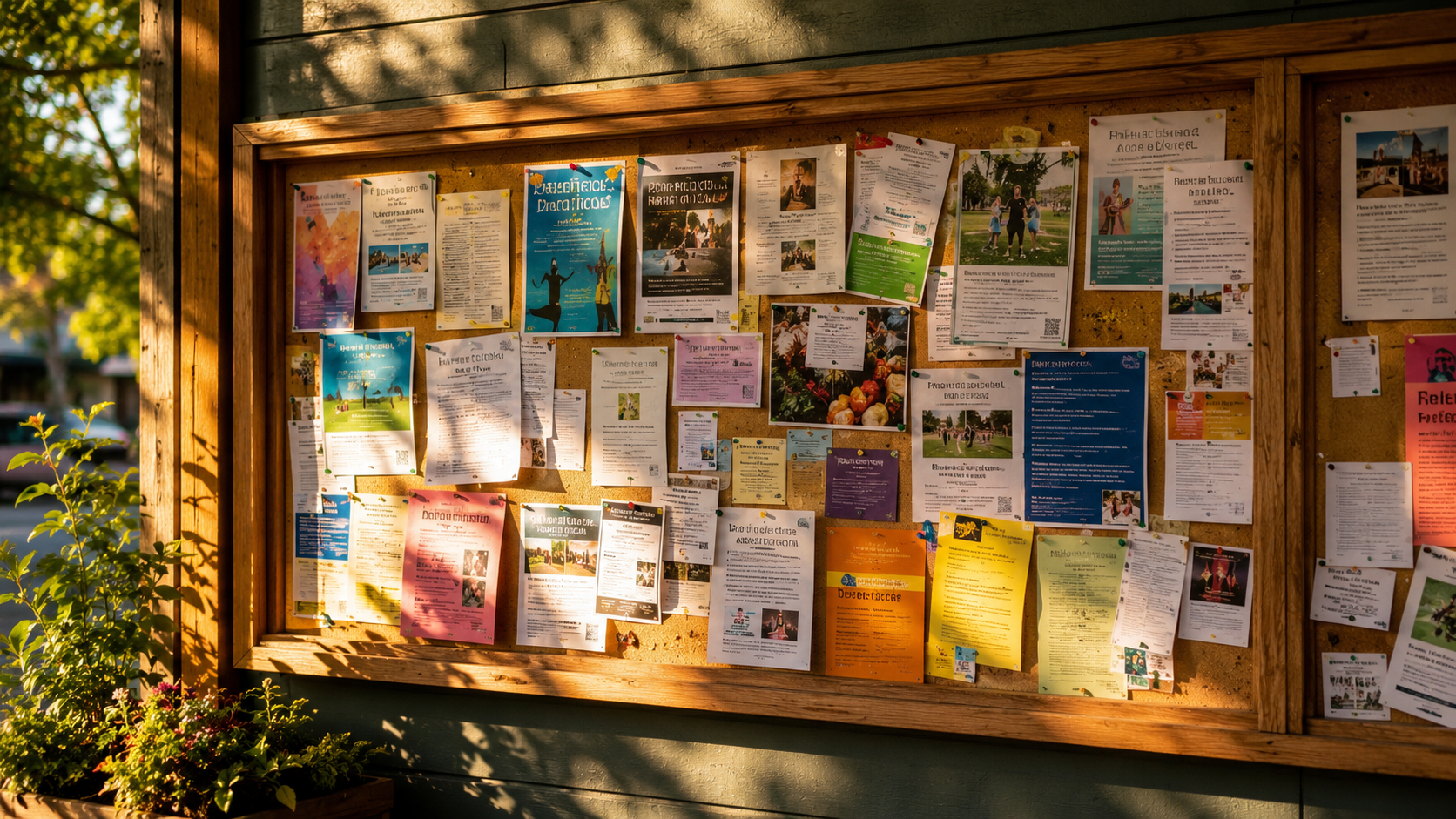
Rather than generic “socializing” for its own sake, joining groups organized around activities you genuinely enjoy tends to build more natural, sustainable connections.
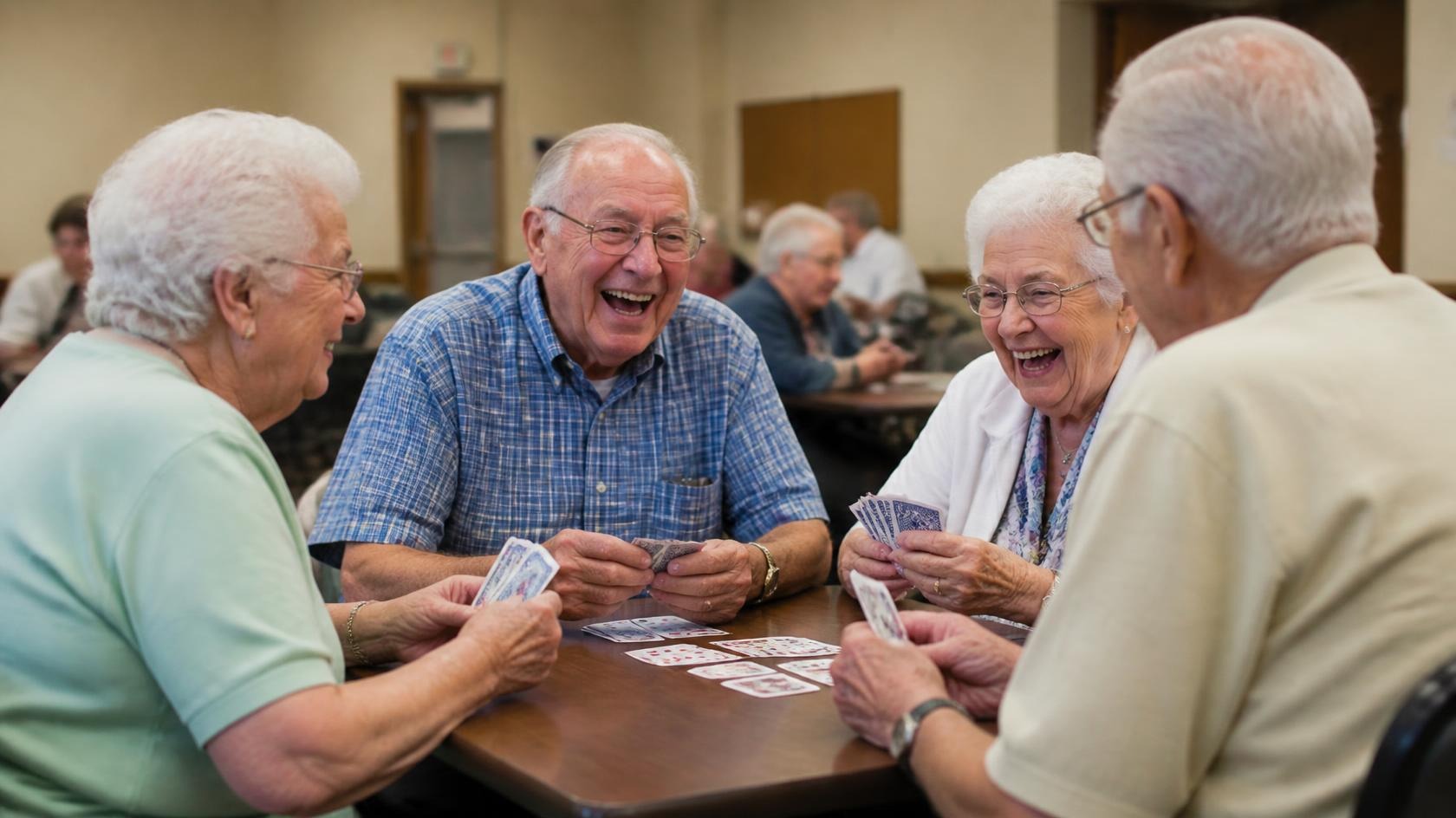
How to do it: Whether it’s a book club, hiking group, card game gathering, or volunteer organization, choosing activities based on authentic interest rather than simply seeking social contact tends to produce friendships that feel more organic and are easier to sustain, since the shared activity itself provides natural, recurring opportunities for connection.
Navigating Friendship Changes When a Spouse Passes Away
For those who’ve lost a spouse, social dynamics often shift significantly, sometimes in ways that feel isolating on top of the grief itself. Some couples’ friendships were built primarily around both partners, and these relationships can feel awkward or diminished when navigating them as a widow or widower, even when the surviving friends genuinely want to maintain the relationship.
If you’re navigating this specific transition, it’s worth being patient with yourself and directly communicating with friends about what kind of continued connection feels comfortable, rather than assuming these relationships will simply continue unchanged or, conversely, assuming they’re automatically lost entirely. Many friends genuinely want to remain connected but may feel uncertain themselves about how to navigate this changed dynamic, meaning direct, honest communication often helps both parties find a comfortable path forward together.
Reconnect With Old Friends and Colleagues
Many people have genuine relationships that faded due to the time constraints of working life, rather than any real falling out, creating an opportunity in retirement to reinvest in these connections.
How to do it: Reaching out directly, even after significant time has passed, often meets a warmer reception than anticipated, since many people in a similar life stage are also seeking more connection and may welcome the reconnection as much as you do.
Building Multigenerational Connections
While peer relationships with others in similar life stages offer particular value, connections across generations also provide meaningful social engagement worth actively cultivating. This might include mentoring younger colleagues or community members, spending intentional time with grandchildren beyond purely functional caregiving moments, or participating in intergenerational community programs that specifically bring together people of different ages.
These multigenerational relationships often provide a different kind of enrichment than peer relationships alone — offering fresh perspectives, a sense of continued relevance and contribution, and genuine intellectual and emotional stimulation that comes from engaging across different life stages and experiences, adding valuable variety to your overall social ecosystem rather than relying exclusively on same-age peer connections.
Take Classes at a Community Center or College
Learning environments naturally facilitate social connection through shared experience and regular, structured contact over an extended period.
How to do it: Community centers, senior centers, and local colleges often offer classes specifically welcoming to older adults, providing both learning opportunities and natural social contact with others sharing similar interests and this particular life stage.
Volunteer Regularly
Volunteering provides consistent social contact alongside a genuine sense of purpose and contribution, offering a particularly efficient way to build connection while also addressing the purpose-related challenges common in retirement.
How to do it: Choosing volunteer opportunities that involve regular, ongoing contact with the same group of people — rather than one-time events — tends to build more genuine, sustained relationships than sporadic volunteer participation.
Host Gatherings, Even Small Ones

Taking initiative to host rather than only waiting for invitations puts you in more control of building the social connection you’re seeking.
How to do it: This doesn’t need to be elaborate — a simple coffee gathering, a small dinner, or a regular game night with just a few people can build meaningful, consistent social contact without requiring extensive planning or entertaining skill.
Use Technology to Bridge Distance
For maintaining connection with family or friends who live far away, video calls and messaging apps offer genuine, meaningful ways to stay connected despite physical distance.
How to do it: Scheduling regular video calls, rather than leaving contact to happen spontaneously, tends to support more consistent connection with distant loved ones, treating these calls as genuine appointments worth prioritizing rather than optional activities to fit in if time allows.
Consider a Part-Time Role or Volunteer Position With Regular Contact
For those who particularly miss the daily structure and social rhythm of work, part-time employment or a volunteer position with consistent, scheduled involvement can replicate some of this beneficial structure.
How to do it: This doesn’t need to match your previous career — many retirees find genuine social connection through part-time roles in completely different fields, valuing the social structure as much as or more than the specific work itself.
Be Patient With the Process
Building genuine new friendships in retirement often takes longer than people initially expect, sometimes requiring multiple attempts across different activities before finding genuine fit.
How to do it: Rather than assuming one unsuccessful attempt at socializing means the effort isn’t working, trying several different approaches — different groups, different activities — over an extended period tends to eventually produce genuine, lasting connections, even when early attempts don’t immediately click.
Recognizing the Difference Between Introversion and Genuine Isolation
It’s worth distinguishing between a genuine preference for less social contact, which is a normal, healthy personality variation, and social withdrawal driven by anxiety, depression, or simply the inertia of avoiding the discomfort of building new connections. Someone who’s always been naturally introverted may genuinely thrive with a smaller, quieter social circle, while someone withdrawing due to fear or low mood may benefit from gently pushing past this avoidance, even though it feels uncomfortable initially.
If you’re uncertain which pattern describes your own situation, reflecting on whether your current level of social contact feels genuinely satisfying, or whether it feels more like avoidance driven by discomfort or fear, can help clarify whether your current approach reflects healthy personal preference or a pattern worth actively working to change, potentially with the support of the strategies discussed throughout this article.
Building a Sustainable Social Routine
Rather than relying on sporadic social effort, building genuine social contact into a regular routine — a weekly group activity, regular calls with specific friends, consistent volunteer involvement — tends to produce more reliable, sustained connection than occasional, unstructured socializing attempted only when you happen to think of it.
For a broader look at addressing the emotional dimension of retirement’s social changes, our article on coping with loneliness after retirement covers complementary strategies for this specific transition.
According to the National Institute on Aging, maintaining social connections significantly supports both mental and physical wellbeing throughout the retirement years, making proactive social engagement a genuine health priority.
Frequently Asked Questions
Is it normal to feel awkward trying to make new friends as an adult? Yes — many adults, particularly after years of work-based social contact, feel genuinely out of practice with actively building new friendships, and this discomfort tends to ease with continued practice and experience over time, becoming considerably more natural with repeated effort.
How many social activities should I aim for weekly? There’s no universal number, but many people find that at least two to three regular social touchpoints weekly — whether a class, volunteer commitment, or standing plans with friends — provides meaningful, sustained connection without feeling overwhelming or requiring an unrealistic level of ongoing social effort.
What if I’m naturally introverted and don’t want extensive socializing? Quality of connection matters more than quantity for most people. A smaller number of genuinely meaningful relationships, maintained consistently, can provide substantial wellbeing benefit even for those who prefer less frequent or extensive social contact throughout their retirement years.
What if mobility limitations make it harder to get out and socialize? Video calls, phone conversations, and hosting gatherings at your own home all provide meaningful alternatives when mobility genuinely limits your ability to travel to social activities, ensuring connection remains accessible despite physical limitations that might otherwise feel isolating.
Conclusion
How to stay social after retirement comes down to intentional, ongoing effort — joining genuine-interest groups, reconnecting with old relationships, volunteering, and building regular social routines. This active approach, rather than assuming connection will continue automatically, offers a genuinely reliable path toward meaningful social wellbeing throughout your retirement years, regardless of how your social circle looked before this transition began.
Embracing That Building Connection Is Worth the Effort It Requires
While building new social connections in retirement requires more deliberate effort than many people initially expect, this effort consistently proves worthwhile given how significantly social connection contributes to overall health and happiness throughout later life. Approaching this process with genuine patience and persistence, rather than discouragement after early attempts that don’t immediately succeed, tends to lead to the kind of meaningful, lasting connection that makes retirement feel genuinely fulfilling rather than unexpectedly isolating and lonely.
Disclaimer: This article is intended for general informational and educational purposes only and does not constitute medical or mental health advice. If loneliness or isolation significantly affects your wellbeing, please consult your doctor or a mental health professional.