
Retirement is often anticipated as a reward — freedom from the demands of work, more time for the things you love. Yet for many people, it also brings an unexpected, quieter loss: the daily social structure, sense of purpose, and identity that work provided, sometimes without anyone fully realizing how much it was doing until it’s suddenly gone. Coping with loneliness after retirement is far more common than most people expect, and understanding why it happens is often the first step toward genuinely addressing it.
Having worked with seniors navigating exactly this transition, I want to walk through why retirement loneliness happens so often, and practical, genuine strategies for rebuilding connection and purpose in this new chapter.
Why Retirement Often Brings Unexpected Loneliness
Work provides far more than income — it offers daily structure, built-in social interaction, a sense of purpose and contribution, and often a significant part of personal identity. When retirement removes this structure, many people find themselves with more free time than they anticipated needing to fill, alongside a social network that may have been built primarily around work relationships that don’t naturally continue once daily contact ends.
This isn’t a sign of poor planning or an inability to adjust — it’s simply the natural consequence of a major life structure disappearing all at once, often more abruptly than people expect even when retirement itself was carefully planned and genuinely anticipated with excitement.
Recognizing Loneliness for What It Is
It’s worth naming this experience honestly, since many people feel embarrassed or confused by loneliness in retirement, especially if they’d looked forward to it for years. Feeling isolated doesn’t mean retirement was a mistake, and it doesn’t mean something is wrong with you — it simply means an important source of structure and connection has changed, and rebuilding that takes intentional effort, the same way it would after any other major life transition.
Loneliness itself is a completely normal human response to reduced connection, not a character flaw or a sign of failure to “do retirement right.”
How Identity Shifts During Retirement
Beyond the practical loss of structure and social contact, retirement often involves a genuine identity shift that deserves acknowledgment. For decades, many people introduce themselves partly through their profession — “I’m a teacher,” “I was an engineer” — and this professional identity, built over years of daily work, doesn’t simply disappear the moment retirement begins, even though the daily activity that reinforced it has ended.
This identity transition takes real time to work through, and it’s worth being patient with yourself as you develop a new sense of who you are outside of your former professional role. Some people find this transition happens naturally as new activities and relationships develop, while others find it helpful to more deliberately explore what genuinely matters to them beyond their career, sometimes discovering interests or values that had been present all along but simply overshadowed by the demands of working life.
The Difference Between Solitude and Loneliness
It’s worth distinguishing between solitude — time spent alone that feels peaceful and restorative — and loneliness, which involves a painful sense of disconnection regardless of how much time is actually spent with others. Retirement often increases time spent alone, but this doesn’t automatically translate into loneliness for everyone; some people genuinely thrive with more solitary time, particularly if they have strong periodic social connections balanced with this alone time.
Understanding this distinction can help you assess your own situation more accurately — if alone time feels genuinely peaceful rather than painful, this may simply reflect a personal preference for more solitude rather than a problem requiring intervention. If alone time consistently feels isolating and distressing, this points more clearly toward the kind of loneliness this article addresses, worth actively working to address through the strategies discussed throughout.
Rebuild Structure Into Your Days
One of the most significant losses in retirement is often the daily structure work provided, which unconsciously organized time and gave each day a sense of purpose and rhythm.
What helps: Creating your own structure — regular times for exercise, hobbies, volunteer commitments, or social activities — can replace the organizing function work once provided, giving your days shape and momentum rather than feeling open-ended and unstructured.
Technology as a Bridge, Not a Replacement
Video calls, social media, and messaging apps can genuinely help maintain connection with family and friends who live at a distance, particularly grandchildren or adult children who may have moved away for their own careers and lives. While these tools shouldn’t replace in-person connection entirely, they can meaningfully supplement it, especially for maintaining relationships that would otherwise fade due to physical distance.
For those less comfortable with technology, many senior centers and libraries offer classes specifically designed to build confidence with these tools, removing a barrier that sometimes prevents people from using technology that could genuinely support their social connections, simply due to unfamiliarity rather than any lack of interest in staying connected this way.
Seek Out Genuine, Regular Social Contact
Work relationships, however meaningful, often don’t continue naturally once daily contact ends, meaning retirement frequently requires actively building new social connections rather than assuming existing relationships will maintain their previous frequency and closeness.
What helps: Joining clubs, classes, or groups centered around genuine interests — not simply “socializing” in the abstract, but connecting with others around something you actually care about — tends to build more sustainable, meaningful relationships than generic social activities pursued without real personal interest.
Supporting a Spouse or Partner Through This Transition Together
When both partners in a relationship retire, either simultaneously or at different times, the adjustment can affect the relationship itself in ways that deserve genuine attention. Spending significantly more time together after years of separate work schedules can bring both welcome closeness and unexpected friction, as couples navigate a new daily rhythm that neither may have fully anticipated.
Open conversation about individual needs for both togetherness and independent activity, rather than assuming retirement automatically means constant shared time, tends to support a healthier transition for both partners. Some couples find it helpful to maintain some individual activities and friendships alongside shared ones, preserving each person’s sense of individual identity and social connection even within a now more closely intertwined daily life.
Grieving What Retirement Represents, Even When It’s Also a Relief
It’s worth acknowledging that retirement can involve genuine grief, even when it’s simultaneously welcomed and anticipated with excitement. Grief for the daily structure, the professional identity, the colleagues seen regularly, and even the sense of being needed in a specific, defined way can coexist entirely naturally with genuine enthusiasm for retirement’s freedoms and new possibilities.
Allowing yourself to feel this grief, rather than suppressing it because retirement is “supposed” to feel purely positive, tends to support healthier long-term adjustment than forcing yourself to feel only gratitude and excitement when the reality of this transition is genuinely more complex and mixed for most people navigating it honestly.
Reconnect With Neglected Relationships
Many people find that friendships and family relationships were unintentionally deprioritized during working years, simply due to limited time and energy, creating an opportunity in retirement to reinvest in these connections.
What helps: Reaching out to old friends, extended family, or neighbors you’ve lost touch with, even after significant time has passed, often meets a warmer reception than anticipated, since many people in a similar life stage are also seeking more connection.
Find New Sources of Purpose
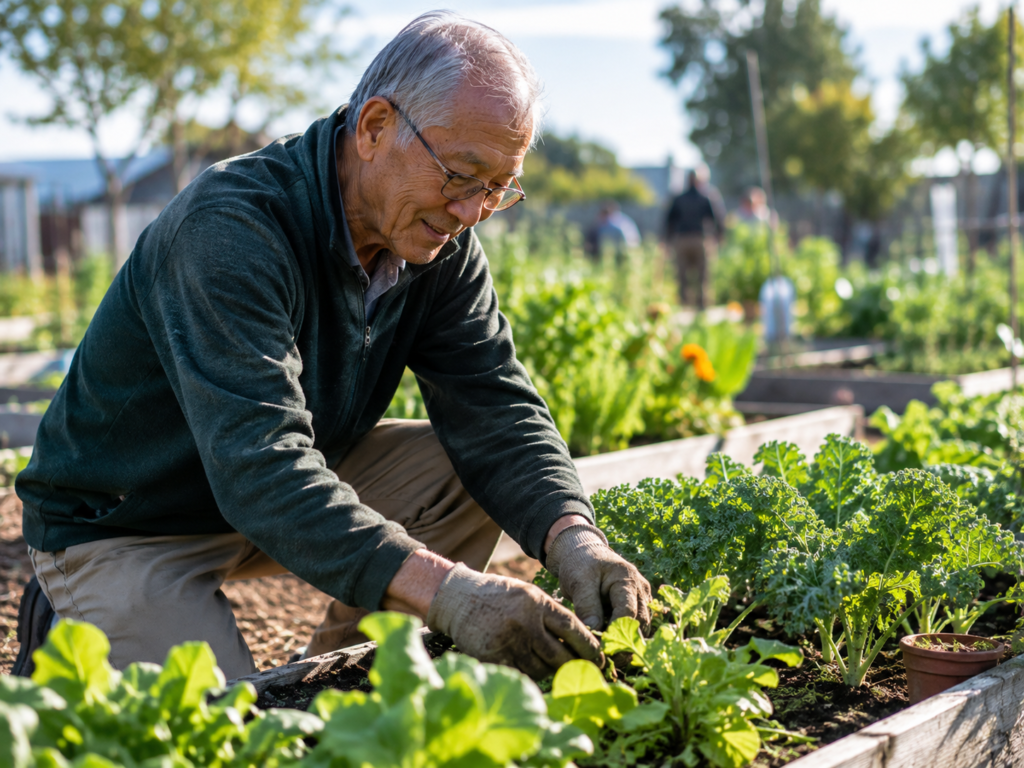
Purpose doesn’t disappear with retirement, but it often needs to be actively rebuilt rather than continuing automatically the way it did through work.
What helps: Volunteering, mentoring, creative projects, or even caring for grandchildren can all provide the sense of contribution and purpose that many people miss most acutely after leaving structured work, offering a genuine reason to look forward to each day.
Consider Part-Time or Flexible Work
For some people, complete retirement removes too much structure and social connection all at once, making a gradual transition or part-time work a genuinely helpful alternative to consider.
What helps: Part-time consulting, seasonal work, or even a role in a completely different field than your original career can provide meaningful structure and social contact while still allowing significantly more freedom than full-time employment.
Address Loneliness as a Health Priority, Not Just an Emotional One
Research has consistently linked chronic loneliness to genuine physical health risks, including increased cardiovascular risk and cognitive decline, making this a legitimate health priority worth taking seriously, rather than something to simply endure quietly.
What helps: Approaching loneliness with the same seriousness you’d bring to any other health concern — actively seeking solutions rather than assuming it will simply resolve on its own — reflects genuine self-care rather than an overreaction to a normal life transition.
When Loneliness Feels Like More Than a Temporary Adjustment
While some adjustment period is normal and expected after retirement, persistent, significant loneliness that doesn’t improve despite genuine effort to build connection deserves additional attention. If loneliness is accompanied by ongoing low mood, loss of interest in previously enjoyable activities, or significant changes in sleep or appetite, these patterns are worth discussing with a doctor, who can help distinguish between a normal, ongoing adjustment and something that might benefit from additional support.
For a broader look at building purpose and structure into retirement more generally, our article on how to make new friends after retirement covers additional strategies for the social dimension of this transition specifically.
According to the National Institute on Aging, maintaining social connections and finding new sources of purpose and structure significantly supports wellbeing throughout the retirement transition and beyond.
Frequently Asked Questions
Is it normal to feel lonely even with a spouse or partner at home? Yes — loneliness often relates to a broader social network and sense of purpose, not just having one person present, meaning even those with a partner at home may still experience meaningful loneliness related to reduced broader social connection.
How long does the retirement adjustment period typically last? This varies considerably by individual, but many people find the first six months to a year involves the most significant adjustment, with genuine comfort and new routines typically developing gradually over this period rather than immediately.
What if I’ve tried socializing but it still feels hard to build genuine connections? Building meaningful relationships takes time and often multiple attempts across different activities or groups before finding genuine fit. It’s worth trying several different approaches rather than assuming one unsuccessful attempt means socializing itself isn’t working for you.
Should I talk to a therapist about retirement loneliness? If loneliness feels persistent and significantly affects your quality of life despite genuine effort to address it, a therapist can provide valuable support and strategies specifically suited to navigating this substantial life transition, and reaching out for this kind of support reflects genuine self-care rather than any sign of failure to manage this transition independently.
Conclusion
Coping with loneliness after retirement starts with recognizing it as a genuine, common consequence of losing work’s built-in structure and connection, not a personal failing. Rebuilding daily structure, actively seeking social connection, and finding new sources of purpose offer real, practical paths toward a retirement that feels genuinely fulfilling rather than unexpectedly isolating, regardless of how long you’ve been navigating this transition already.
Giving Yourself Genuine Time and Patience
Rebuilding the structure, connection, and purpose that work once provided doesn’t happen overnight, and it’s worth extending yourself the same patience you’d offer a friend navigating any other major life transition. Small, consistent steps toward connection and purpose, sustained over months rather than expected to resolve loneliness immediately, tend to produce far more meaningful, lasting results than pressuring yourself toward instant adjustment.
This transition, like most significant life changes, tends to unfold gradually rather than resolving in one decisive moment, and recognizing this can help you stay committed to the small, ongoing efforts discussed throughout this article even during weeks when progress feels slow or uncertain.
Disclaimer: This article is intended for general informational and educational purposes only and does not constitute medical or mental health advice. If loneliness is accompanied by persistent low mood or other concerning symptoms, please consult your doctor or a mental health professional.