
What lands on your plate does more than fuel your body — it directly influences the health and function of your brain. Research into nutrition and cognitive health has identified specific foods that support brain health, offering a genuinely actionable strategy for protecting memory, focus, and long-term cognitive function through everyday eating choices you can start making today.
Having worked with seniors for years, watching how much diet quality affects mental clarity and overall wellbeing, I want to walk through what the research actually supports, and how to build these foods into realistic, sustainable meals that fit real, everyday life.
How Nutrition Affects the Brain at a Biological Level
Understanding why these specific foods matter helps clarify the broader principle at work. The brain is metabolically demanding, consuming a disproportionate share of the body’s energy despite its relatively modest size, and it’s particularly vulnerable to oxidative stress and inflammation due to its high fat content and intensive oxygen use. Foods rich in antioxidants help neutralize this oxidative damage, while anti-inflammatory foods help counteract the chronic, low-grade inflammation increasingly linked to cognitive decline.
Additionally, certain nutrients serve as direct building blocks for brain structures — omega-3 fatty acids, for example, are literally incorporated into neuron cell membranes, affecting how efficiently these cells communicate with one another. This is part of why nutrition isn’t simply a vague, general wellness recommendation for brain health, but reflects specific, identifiable biological mechanisms connecting diet to cognitive function.
The Gut-Brain Connection and Its Relevance to Diet
Emerging research has identified significant communication between gut bacteria and brain function, sometimes called the gut-brain axis. Diet significantly shapes the composition of gut bacteria, and certain dietary patterns — particularly those rich in fiber from vegetables, fruits, and whole grains — appear to support a gut microbiome composition associated with reduced inflammation and better cognitive outcomes.
While this research area remains actively developing, it adds another dimension to why whole-food, fiber-rich dietary patterns like the Mediterranean diet show such consistent cognitive benefits in research — the effects may operate through multiple pathways simultaneously, including direct nutrient effects on brain tissue and indirect effects mediated through gut bacteria and their influence on systemic inflammation.
Fatty Fish for Essential Omega-3s
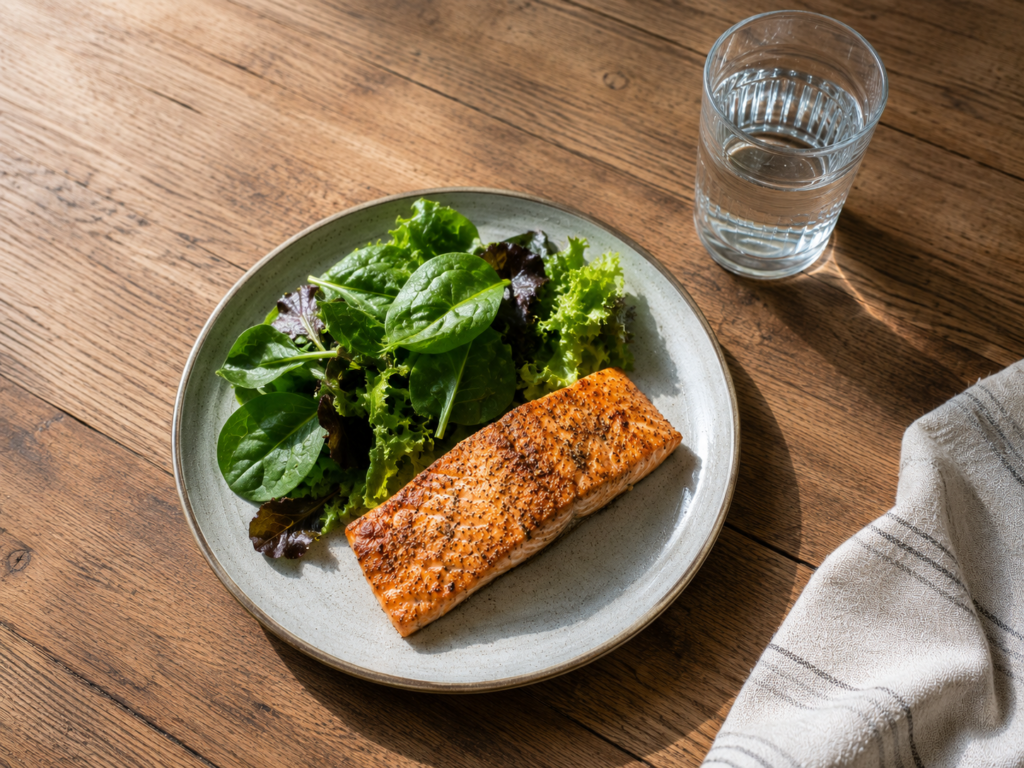
Salmon, sardines, mackerel, and other fatty fish are rich in omega-3 fatty acids, particularly DHA, which makes up a significant portion of the brain’s structural fat and plays a role in neuron function and communication. Multiple studies have linked regular fatty fish consumption to better cognitive outcomes and reduced risk of cognitive decline.
How to incorporate it: Aiming for fatty fish two to three times per week provides meaningful omega-3 intake. For those who don’t eat fish, algae-based omega-3 supplements offer an alternative source of these same beneficial fatty acids.
Berries for Antioxidant Protection
Blueberries, strawberries, and other berries are rich in flavonoids, a category of antioxidants specifically linked in research to improved memory and slower rates of cognitive decline. Studies following participants over years have found that those with higher berry consumption showed measurably slower cognitive aging compared to those with lower intake.
How to incorporate it: Adding a handful of berries to breakfast, as a snack, or blended into a smoothie provides an easy, enjoyable way to incorporate this research-backed food regularly.
Leafy Greens for Neuroprotective Nutrients
Spinach, kale, and other leafy greens provide vitamin K, lutein, folate, and beta-carotene, a combination of nutrients associated in research with slower cognitive decline. Studies have found that those consuming leafy greens daily showed cognitive function equivalent to being several years younger compared to those rarely eating these vegetables.
How to incorporate it: Incorporating leafy greens into salads, smoothies, or as a simple sautéed side dish provides regular access to these brain-supportive nutrients without requiring significant dietary change.
Nuts and Seeds for Vitamin E and Healthy Fats
Walnuts, almonds, and flaxseeds provide vitamin E, an antioxidant linked to protection against cognitive decline, along with healthy fats that support overall brain structure and function. Walnuts specifically have been studied for their unique combination of omega-3 fatty acids and antioxidants relevant to brain health.
How to incorporate it: A small daily handful of mixed nuts, or flaxseed added to oatmeal or smoothies, provides meaningful intake of these brain-supportive nutrients.
Whole Grains for Steady Glucose Supply
The brain relies heavily on glucose for energy, and whole grains provide a steadier, more sustained glucose supply compared to refined carbohydrates, which cause rapid spikes and subsequent crashes that can affect concentration and mental clarity throughout the day.
How to incorporate it: Choosing oats, quinoa, brown rice, and whole grain bread over refined alternatives provides more stable energy for sustained cognitive function throughout the day.
Olive Oil for Anti-Inflammatory Support
Extra virgin olive oil, a cornerstone of the extensively studied Mediterranean diet, provides monounsaturated fats and antioxidant compounds associated with reduced inflammation and better cognitive outcomes in multiple large research studies.
How to incorporate it: Using olive oil as a primary cooking fat and for salad dressings provides regular intake of these beneficial compounds without requiring significant changes to typical meal preparation.
Turmeric for Anti-Inflammatory Compounds
Turmeric contains curcumin, a compound studied for its anti-inflammatory and antioxidant properties, with some research suggesting potential benefits for memory and mood, though human research remains less extensive than for some other foods discussed here.
How to incorporate it: Adding turmeric to soups, curries, or golden milk provides a flavorful way to incorporate this compound, though absorption improves significantly when combined with black pepper and a source of fat.
Dark Chocolate in Moderation
Dark chocolate, particularly varieties high in cocoa content, provides flavonoids associated with improved blood flow to the brain and potential cognitive benefits, though moderation matters given its calorie density and sugar content in many commercial varieties.
How to incorporate it: A small square of dark chocolate (70% cocoa or higher) a few times per week can provide flavonoid benefit without excessive calorie or sugar intake.
The Mediterranean Diet as a Complete Framework
Rather than focusing exclusively on individual foods, the Mediterranean diet — emphasizing vegetables, fruits, whole grains, fish, olive oil, and limited processed food and red meat — has been extensively studied as a complete dietary pattern and consistently linked to better cognitive outcomes and reduced dementia risk.
How to incorporate it: Gradually shifting overall eating patterns toward this framework, rather than attempting a complete immediate overhaul, tends to be both more sustainable and, over time, provides comprehensive access to the various brain-supportive foods discussed throughout this article.
Meal Timing and Blood Sugar Stability for Cognitive Function
Beyond which foods you eat, when and how you eat also affects brain function, particularly through blood sugar stability. Large swings in blood sugar — spikes followed by crashes — can affect concentration, mood, and mental clarity in the hours following a meal, independent of the specific foods consumed, since even relatively healthy foods eaten in a way that causes rapid blood sugar fluctuation can produce this effect.
Pairing carbohydrates with protein, fiber, or healthy fat at each meal helps moderate these fluctuations, providing more stable energy and mental clarity throughout the day. This is part of why whole grains, discussed earlier, tend to support better sustained cognitive function than refined carbohydrates eaten alone — the fiber content slows glucose absorption, avoiding the rapid spike-and-crash pattern that can affect afternoon focus and mental sharpness.
Foods and Patterns Worth Limiting
Alongside adding beneficial foods, research points to limiting certain patterns that may negatively affect brain health, including excessive refined sugar, which has been linked to inflammation and potential cognitive effects, highly processed foods generally, and excessive alcohol consumption, which affects brain tissue directly over time.
Overcoming Common Barriers to Eating a Brain-Healthy Diet
Even with clear knowledge of beneficial foods, several practical barriers can make consistent implementation difficult. Cost concerns are common, particularly around fresh fish and berries, though frozen versions of both retain most nutritional value at a lower price point, and canned fatty fish like salmon or sardines offer an affordable alternative to fresh fillets.
Reduced appetite, common with age, can make it harder to eat enough of these foods consistently. Focusing on nutrient density — making the foods you do eat count, rather than trying to eat large volumes — helps address this barrier without requiring forced eating beyond comfortable appetite. Cooking for one, after the loss of a spouse or when family has moved away, can also reduce motivation to prepare varied, nutritious meals. Batch cooking and freezing portions, or sharing meals with friends or family periodically, can help maintain dietary variety despite these changed circumstances.
Working With a Dietitian for Personalized Guidance
While the general principles outlined in this article apply broadly, individual factors — existing health conditions, medications, personal food preferences, and specific nutritional needs — can meaningfully affect how these recommendations should be applied to your particular situation. A registered dietitian can help translate general brain-health nutrition principles into a specific, sustainable eating plan tailored to your individual circumstances, particularly valuable for those managing multiple health conditions where dietary recommendations sometimes need careful balancing against each other.
This kind of personalized guidance tends to produce more sustainable, effective results than attempting to apply general recommendations without considering how they interact with your specific health picture and daily life circumstances.
Building These Foods Into Realistic Meals
Rather than overhauling your entire diet immediately, small, consistent additions tend to be more sustainable:
- Add berries to breakfast a few times weekly
- Swap one meal weekly to include fatty fish
- Keep pre-washed leafy greens accessible for easy addition to meals
- Use olive oil as your primary cooking fat where possible
- Add a small daily serving of nuts as a snack
These gradual changes, sustained over months and years, tend to provide more meaningful cumulative benefit than a dramatic short-term dietary change that proves difficult to maintain long-term.
For a broader look at nutrition supporting overall healthy aging, our article on foods that help you age gracefully covers additional nutritional strategies that complement the brain-specific focus of this article.
According to the National Institute on Aging, a healthy diet, particularly one following Mediterranean-style eating patterns, is associated with better cognitive outcomes and reduced risk of cognitive decline in aging populations.
Frequently Asked Questions
Can diet alone prevent dementia? No single dietary approach can guarantee prevention, since dementia risk involves multiple factors, but consistent evidence shows that brain-supportive eating patterns meaningfully reduce risk and support better cognitive function throughout aging.
Are supplements a good substitute for these foods? Whole foods generally provide better overall benefit than isolated supplements, partly due to the complex combination of nutrients working together, though supplements may be appropriate for specific deficiencies as identified by your doctor rather than as a general substitute for whole-food nutrition.
How quickly can dietary changes affect brain function? Some effects, like more stable energy and concentration from reduced sugar intake, can appear within days to weeks, while more significant, measurable cognitive benefits from sustained dietary patterns typically develop over months to years of consistent practice.
Is the Mediterranean diet the only beneficial eating pattern for brain health? While the Mediterranean diet has the strongest research support, the core principles it emphasizes — whole foods, healthy fats, limited processed food — can be applied flexibly without strictly adhering to any single named diet or eating program.
Making These Foods Part of a Lifelong Pattern
The brain-supportive foods discussed throughout this article offer the most meaningful benefit when incorporated as an ongoing, lifelong dietary pattern rather than a temporary intervention. Research following people over decades consistently shows that sustained dietary patterns, maintained over years, correlate more strongly with cognitive outcomes than any short-term dietary change, however well-intentioned. This reinforces why building these foods into genuinely sustainable, enjoyable eating habits matters more than a strict, difficult-to-maintain regimen that gets abandoned within weeks.
Thinking of this less as a temporary “diet” and more as a permanent shift in how you typically eat tends to support the kind of long-term consistency that actually produces meaningful cognitive benefit over the years ahead, regardless of your current age or how far your current eating pattern may be from these recommendations.
Conclusion
The foods that support brain health share common threads — anti-inflammatory properties, healthy fats, and antioxidant richness, most comprehensively found together in Mediterranean-style eating patterns. Consistently incorporating fatty fish, berries, leafy greens, nuts, and healthy fats into your everyday meals offers a genuinely actionable strategy for supporting cognitive health for years to come, regardless of your current dietary starting point.
Disclaimer: This article is intended for general informational and educational purposes only and does not constitute medical or nutritional advice. Please consult your doctor or a registered dietitian before making significant dietary changes, especially if you have existing health conditions.