Cooking motivation naturally shifts with age — smaller households, changing energy levels, and simply decades of meal preparation can make the idea of cooking from scratch feel like a chore rather than something enjoyable. Understanding easy meal ideas for seniors means finding genuine simplicity without sacrificing the nutrition that matters so much at this life stage.
Having worked with seniors navigating exactly this challenge — wanting to eat well without an overwhelming amount of daily effort — I want to share meal ideas that genuinely deliver on both fronts, along with practical strategies for making cooking feel more manageable overall.
Why Meal Simplicity Matters More With Age
Cooking motivation and energy naturally decline for many reasons as people age — reduced energy overall, cooking for one or two rather than a full family, arthritis or other conditions making food preparation more physically demanding, and simply less enthusiasm for elaborate cooking after decades of preparing meals for others. Rather than viewing this as something to push through with sheer willpower, building genuinely simple, low-effort meal options into your regular rotation removes much of the barrier that might otherwise lead to skipped meals or over-reliance on less nutritious convenience foods.
This isn’t about lowering your standards for good nutrition — it’s about finding the intersection between minimal effort and genuine nutritional value, which turns out to be broader than many people initially assume.
Adapting Recipes to Smaller Households
Many traditional recipes are written for larger family portions, which can feel impractical or wasteful when cooking for one or two people. Learning to scale recipes down, or intentionally cooking a full recipe and freezing individual portions for later, addresses this common barrier without requiring you to abandon meals you genuinely enjoy simply because the standard recipe yields more than you need.
Simple math — halving or quartering ingredient quantities — works well for many recipes, though some items like a single egg or a small can of beans don’t divide as cleanly, in which case cooking the full amount and freezing extra portions often makes more practical sense than trying to precisely scale every single ingredient down to an awkward fraction.
The Value of a Rotating Meal List
Rather than deciding what to cook from scratch each day, which itself requires mental energy that can contribute to meal fatigue, keeping a simple written list of 10-15 go-to easy meals you enjoy provides a ready reference to pull from without requiring fresh inspiration every single day. This removes the decision fatigue that often contributes to skipped meals or last-minute reliance on less nutritious convenience options when nothing comes to mind.
This list can live somewhere visible — taped inside a cabinet door, on the refrigerator, or simply in a notes app — serving as a genuine practical tool rather than requiring you to mentally generate meal ideas from nothing each time hunger strikes.
Simple, Nutritious Meals Worth Trying
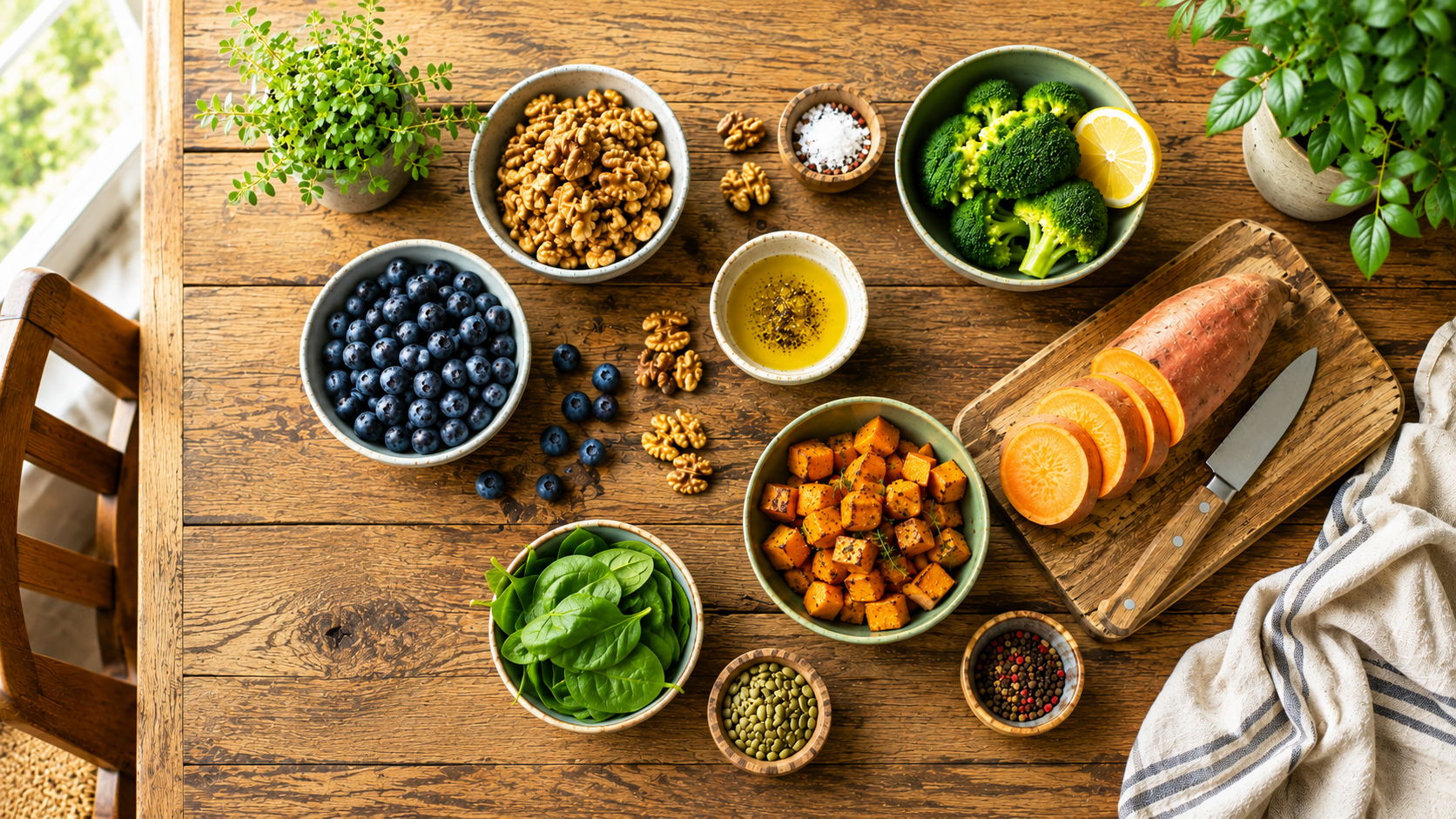
None of these require advanced cooking skills or extensive time — just a handful of quality ingredients, prepared simply.
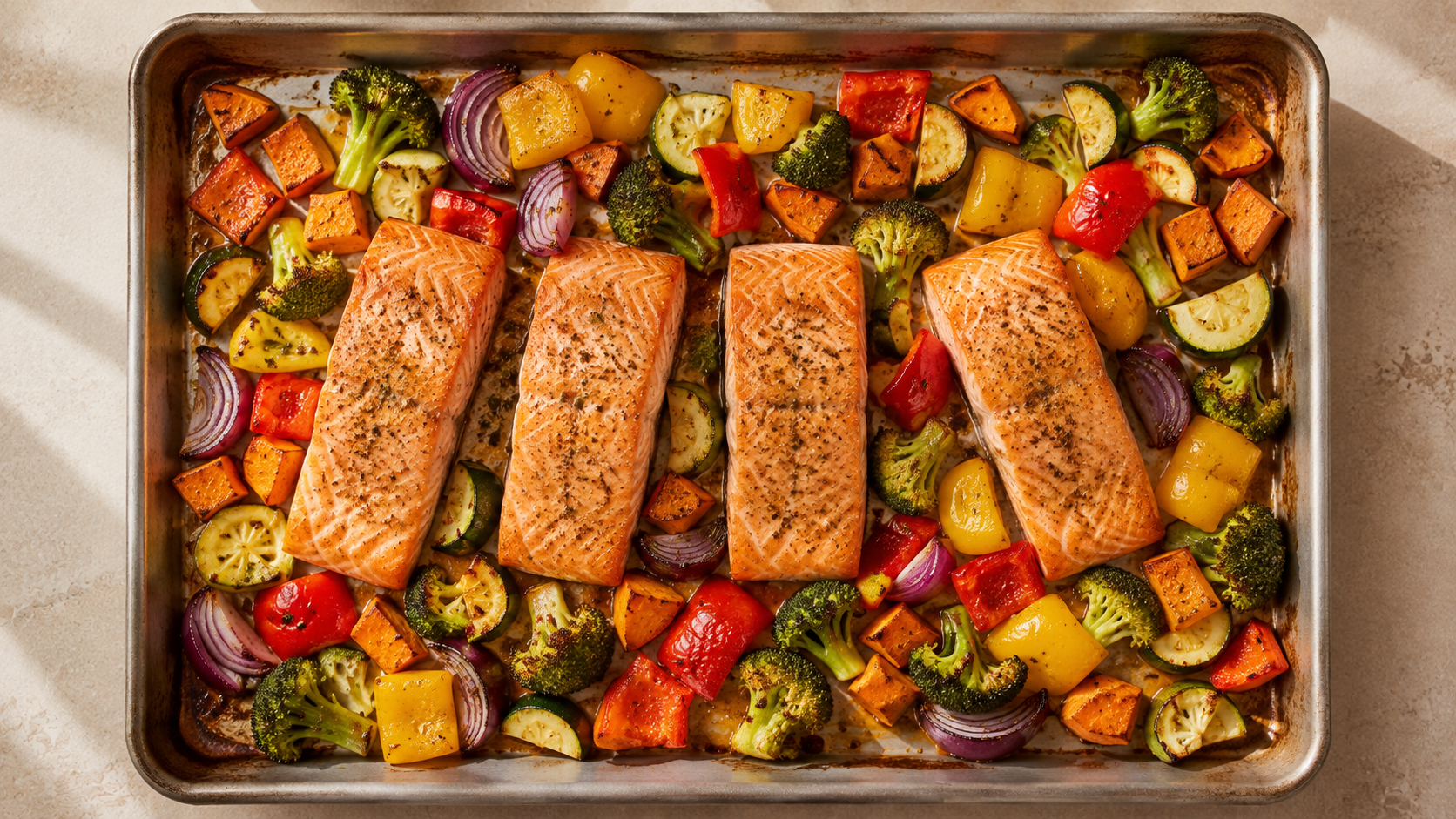
Sheet Pan Salmon and Vegetables
This one-pan approach minimizes cleanup while delivering substantial protein and vegetables in a single, straightforward preparation.
How simple it is: Arrange salmon and chopped vegetables (broccoli, bell peppers, or whatever you have on hand) on a single baking sheet, drizzle with olive oil, season simply with salt, pepper, and lemon, and bake at 400°F for roughly 15-20 minutes. One pan, minimal chopping, and a genuinely balanced meal.
Scrambled Eggs With Spinach and Cheese
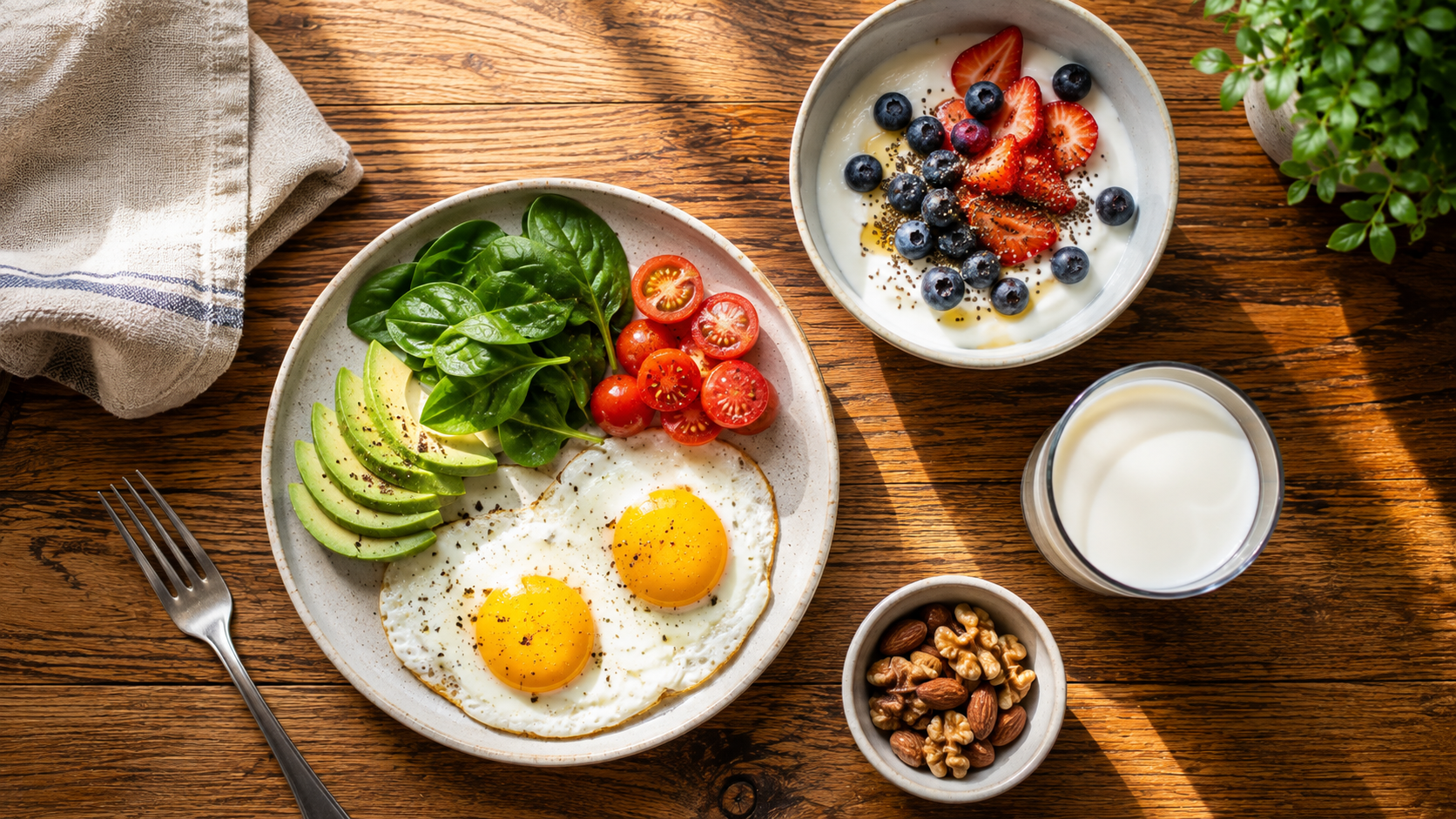
Eggs remain one of the fastest, most nutritionally complete meals available, and adding spinach and cheese turns a simple breakfast staple into an equally suitable lunch or dinner option.
How simple it is: Scramble eggs with a handful of fresh spinach wilted in, and top with a sprinkle of cheese. Ready in under 10 minutes, with minimal cleanup and genuine protein and nutrient content.
Slow Cooker Soup
Slow cookers offer genuine “set it and forget it” convenience, allowing you to prepare a nutritious meal with minimal active effort, and often producing enough for multiple meals across several days.
How simple it is: Combine broth, beans or lentils, chopped vegetables, and your choice of protein in a slow cooker in the morning, and return to a finished, nutritious soup by dinner time, with essentially no active cooking effort required throughout the day.
Rotisserie Chicken With Pre-Washed Salad
Store-bought rotisserie chicken provides substantial protein without any cooking effort, and pairing it with a pre-washed salad mix creates a complete, balanced meal in minutes.
How simple it is: Simply portion the rotisserie chicken and combine with a pre-washed salad mix and your choice of dressing. This approach can provide several meals across multiple days from a single chicken purchase.
Baked Sweet Potato With Toppings
A baked sweet potato provides a substantial, nutrient-dense base that can be topped with various protein and vegetable options for a complete, satisfying meal.
How simple it is: Bake or microwave a sweet potato until soft, then top with black beans, a sprinkle of cheese, and any available vegetables. Minimal preparation, genuine nutrition, and easily adaptable based on what you have available.
Canned Salmon or Tuna Salad
Canned fish provides substantial protein and, in the case of salmon, omega-3s, without any cooking required at all, making it one of the fastest nutritious meal options available.
How simple it is: Combine canned salmon or tuna with a small amount of mayonnaise or Greek yogurt, chopped celery, and seasonings, then serve over greens or with whole grain crackers. Ready in just a few minutes with zero cooking involved.
Frozen Vegetable Stir-Fry With Pre-Cooked Protein
Frozen vegetables and pre-cooked protein options (like pre-cooked shrimp or rotisserie chicken) combine for a fast, nutritious stir-fry-style meal without extensive preparation.
How simple it is: Sauté frozen vegetables in a small amount of oil, add pre-cooked protein toward the end just to warm through, and season with soy sauce or your preferred seasonings. A complete meal in roughly 10-15 minutes.
Greek Yogurt Parfait
While often thought of as a breakfast option, a substantial Greek yogurt parfait can serve as a genuinely satisfying, protein-rich meal at any time of day.
How simple it is: Layer Greek yogurt with berries, a sprinkle of granola, and a drizzle of honey. No cooking required, and the protein content makes it more filling than a typical yogurt snack alone.
Using Kitchen Tools That Genuinely Reduce Effort
Certain kitchen tools can meaningfully reduce the physical and time demands of meal preparation, making the difference between a meal that feels manageable and one that feels genuinely overwhelming. A slow cooker or instant pot allows largely hands-off cooking. A good pair of kitchen shears can substitute for more demanding knife work for many tasks. Pre-washed, pre-cut produce, while sometimes slightly more expensive, removes a genuine preparation barrier for those with limited energy or hand strength.
Investing in a few genuinely useful tools, rather than assuming all cooking must involve extensive from-scratch preparation with traditional methods, can make the difference between consistently eating well and gradually relying more heavily on less nutritious convenience options simply because they require less physical effort.
Stocking Your Kitchen for Easy Meal Success
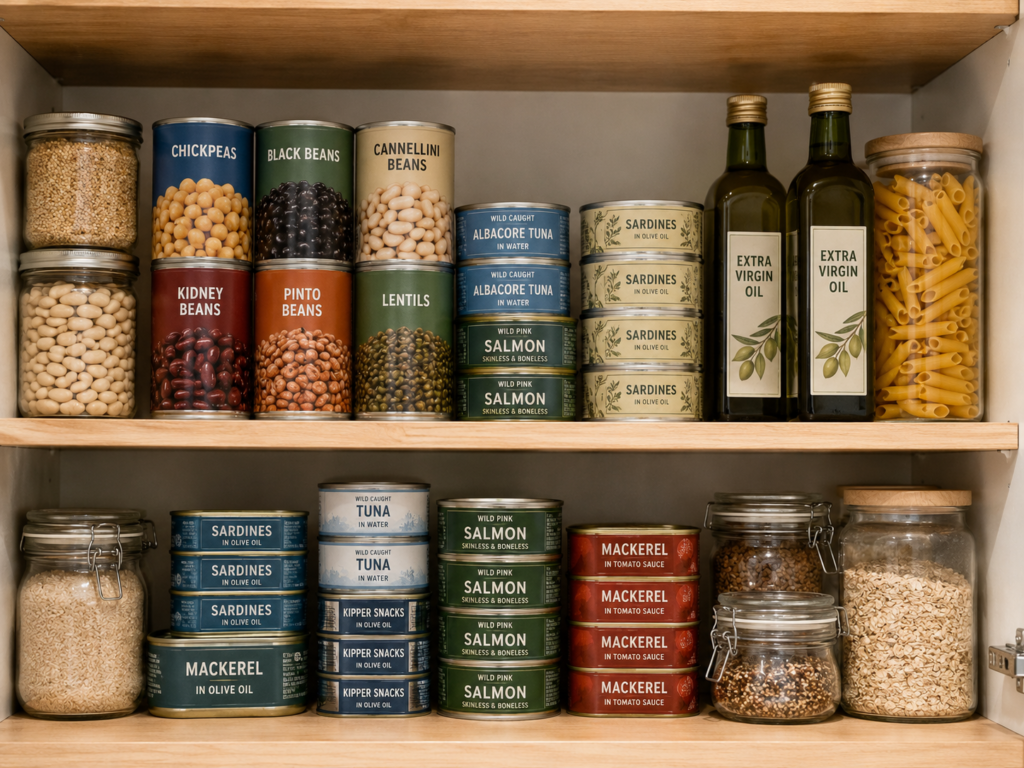
Keeping a well-stocked kitchen with versatile staples makes these easy meal ideas genuinely accessible on any given day, rather than requiring a special shopping trip each time. Useful staples include canned beans and fish, frozen vegetables, eggs, cheese, olive oil, and a few favorite seasonings. Having these items consistently on hand removes much of the friction that might otherwise lead to skipping a proper meal in favor of less nutritious convenience options.
Batch Cooking to Reduce Daily Effort
Preparing larger quantities of versatile components — a batch of roasted vegetables, cooked grains, or a pot of soup — during a period of higher energy allows you to assemble quick meals from these components on lower-energy days without starting from scratch each time. This approach front-loads the cooking effort into fewer, more manageable sessions, rather than requiring full meal preparation every single day.
Making Meals Feel Less Like a Chore
Beyond simplicity, finding ways to make meal preparation and eating feel more enjoyable can meaningfully improve both nutrition and quality of life. This might include playing music or a podcast while cooking, inviting a friend or family member to share a simple meal periodically, or simply giving yourself permission to keep things genuinely simple without guilt about not preparing elaborate, from-scratch meals every day.
When Cooking Feels Consistently Overwhelming
If meal preparation feels persistently overwhelming despite trying simplified approaches, it’s worth considering whether additional support might help — meal delivery services designed for seniors, occasional help from family with batch cooking, or in some cases, in-home assistance that includes meal preparation. Recognizing when additional support would genuinely help, rather than continuing to struggle alone, represents a reasonable, proactive response rather than something to feel discouraged about.
For a broader look at protein-focused nutrition that pairs well with these easy meal ideas, our article on high-protein foods after 60 covers additional strategies for ensuring these simple meals meet your protein needs.
According to the National Institute on Aging, maintaining adequate nutrition through accessible, manageable meal preparation supports overall health and independence throughout aging, regardless of cooking complexity or culinary skill level.
Frequently Asked Questions
Are frozen vegetables as nutritious as fresh? Yes — frozen vegetables are typically frozen at peak ripeness and retain most of their nutritional value, often making them a genuinely comparable, more convenient alternative to fresh produce.
Is it okay to eat the same simple meals repeatedly? Yes — while variety offers some nutritional benefit, consistently eating a rotation of a few nutritious, simple meals is far better than skipping meals or relying on less nutritious options due to overwhelm from trying to create variety every day.
How can I make cooking easier if I have arthritis or limited hand strength? Pre-cut vegetables, canned rather than dried beans, jar openers, and lightweight cookware can all reduce the physical demands of cooking, making meal preparation more accessible despite hand strength limitations.
What if I’m cooking just for myself and don’t want leftovers every day? Many of these simple meals can be portioned and frozen for later, or scaled down using smaller cookware, allowing you to prepare genuinely fresh, varied meals even when cooking for one.
Can these meals be adapted for specific dietary restrictions? Most of the meals discussed throughout this article can be modified for common dietary needs — using plant-based protein instead of animal protein, gluten-free grains, or lower-sodium seasonings — while maintaining the same overall simplicity and nutritional balance.
Trusting That Simple Can Still Be Genuinely Good
There’s sometimes a lingering belief that truly nourishing food must be complicated, time-consuming, or elaborate to genuinely count as “real” cooking. This belief, while understandable given how food and care are often culturally connected, doesn’t reflect nutritional reality. A sheet pan of salmon and vegetables provides just as much genuine nutritional value as a far more labor-intensive dish, and recognizing this can free you from unnecessary guilt about keeping meals simple.
Letting go of this pressure, and trusting that simple, consistent, nutritious meals genuinely serve your health just as well as elaborate ones, tends to support far better long-term eating patterns than aspiring toward a standard of culinary effort that ultimately proves unsustainable for your current energy and circumstances.
Conclusion
Easy meal ideas for seniors — sheet pan salmon, simple scrambled eggs, slow cooker soups, and canned fish salads among them — prove that genuine nutrition doesn’t require elaborate effort or extensive cooking skill. Building a rotation of these simple, reliable options can meaningfully support consistent, nourishing eating, even on lower-energy days.
Giving Yourself Permission to Keep It Simple
There’s often an unspoken pressure to cook elaborate, from-scratch meals as a marker of good self-care, but genuine nourishment doesn’t require complexity. Embracing simple, reliable meals as a legitimate, sustainable approach to eating well — rather than a compromise or shortcut — tends to support far more consistent nutrition over the years than aspiring toward elaborate cooking that ultimately proves too demanding to maintain.
Disclaimer: This article is intended for general informational and educational purposes only and does not constitute medical or nutritional advice. Please consult your doctor or a registered dietitian regarding specific dietary needs or restrictions.