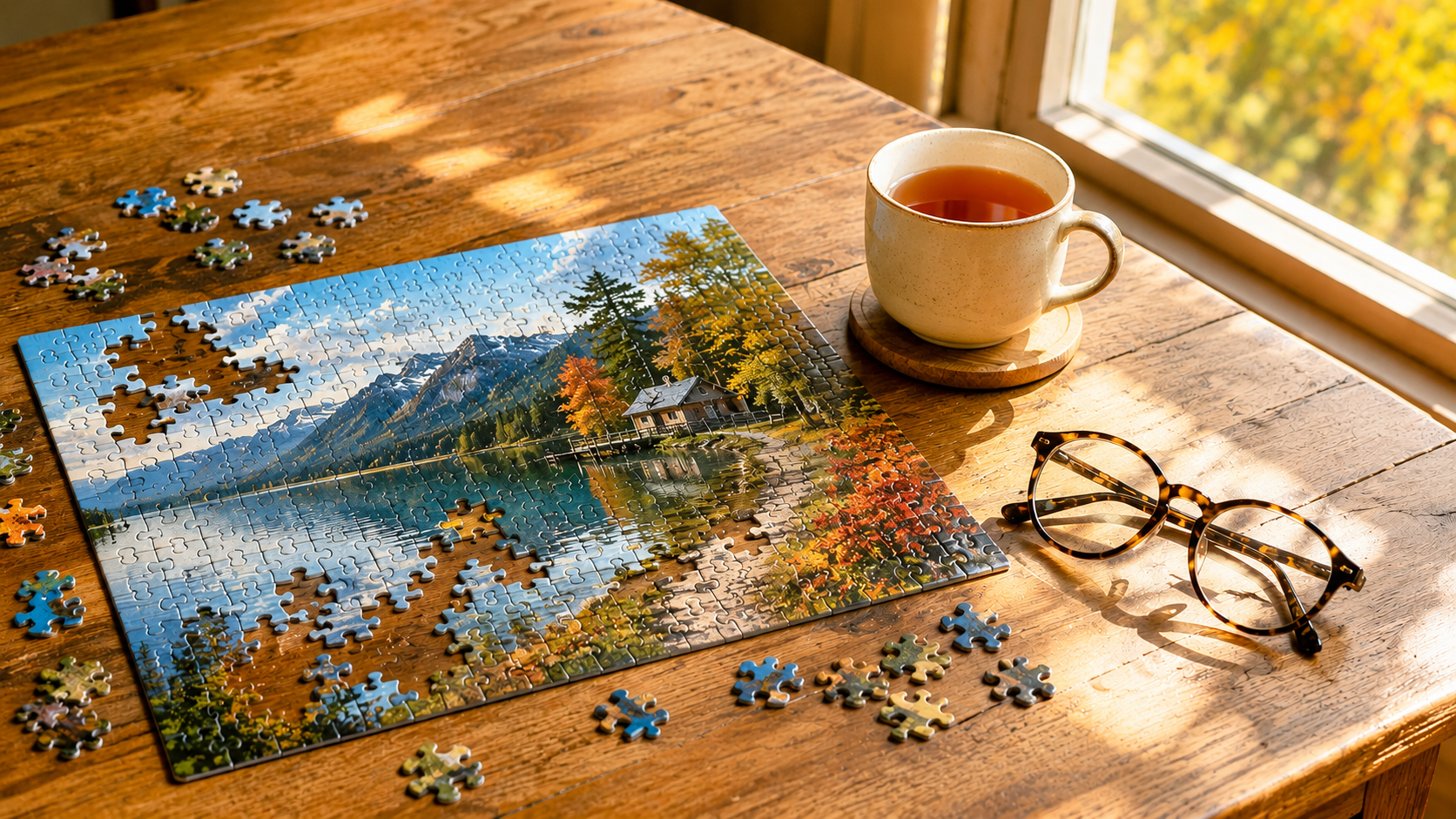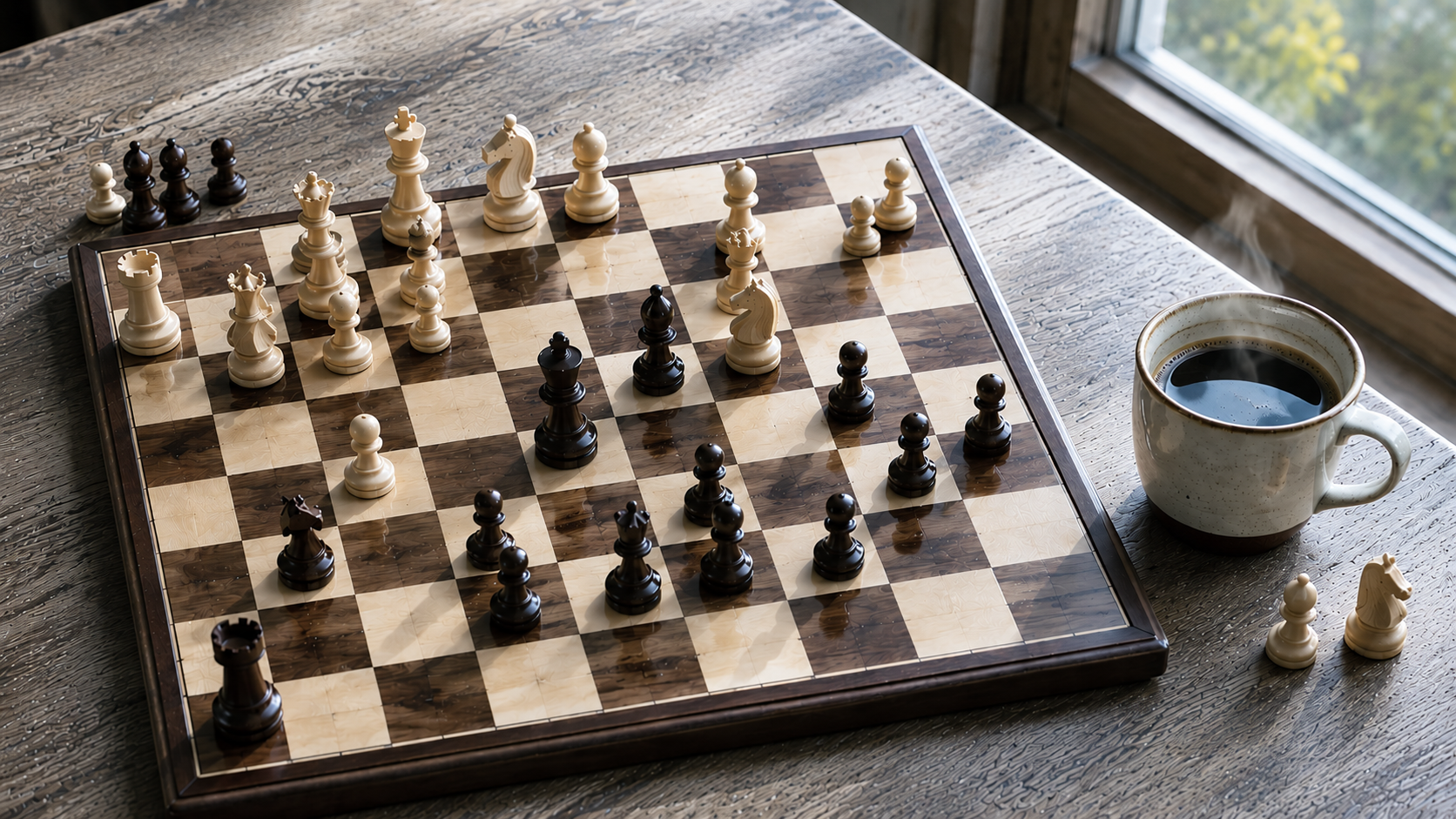
Both reading and puzzles are frequently recommended for cognitive health, but they engage the brain in genuinely different ways, raising a common question: when it comes to reading vs puzzles for brain health, which actually provides more benefit? The honest answer is that both offer real, distinct value — and understanding how they differ can help you build a more complete, sustainable approach rather than relying on just one activity alone.
Having worked with seniors who often ask exactly this question, I want to walk through what research actually shows about each activity, and how they can work together rather than as competing choices requiring a single, definitive winner.
Understanding the Concept of Cognitive Reserve in This Comparison
Both reading and puzzles contribute to what researchers call cognitive reserve — a kind of buffer that helps the brain maintain function even as some age-related changes occur. This concept helps explain why lifelong engagement with either activity, or ideally both, appears protective even though neither can fully prevent age-related brain changes at a structural level.
The mechanism behind cognitive reserve isn’t fully understood, but current theories suggest that regularly challenging the brain builds more efficient neural networks and alternative pathways for processing information, potentially allowing the brain to compensate for age-related changes more effectively than a brain that hasn’t received this kind of regular challenge throughout life. This framework helps explain why both reading and puzzles show research benefit despite engaging different specific cognitive skills — the underlying protective mechanism may relate less to the specific skill exercised and more to the general principle of sustained, ongoing cognitive challenge.
How Personal Preference Should Factor Into Your Choice
Beyond the research comparing these activities, personal enjoyment matters enormously for actual long-term adherence, which ultimately determines real-world benefit more than any theoretical advantage one activity might hold over the other. Someone who finds puzzles genuinely engaging and enjoyable will likely sustain that habit far longer than someone who forces themselves through crosswords out of obligation despite finding them tedious, even if research suggests marginally more benefit from the puzzle activity itself.
This means the practical answer to “reading or puzzles” often comes down to which activity you genuinely enjoy and will actually continue doing consistently over months and years, rather than which activity theoretically provides more benefit in a research study but ultimately gets abandoned within weeks due to lack of genuine interest or enjoyment.
What Reading Offers the Brain
Reading engages language processing, memory (tracking plot, characters, and details), imagination, and often empathy, particularly with fiction that requires understanding characters’ perspectives and motivations. This combination of engaged cognitive processes makes reading a genuinely comprehensive mental activity, particularly when engaging with challenging or unfamiliar material rather than only very familiar, comfortable genres.
Research has specifically linked regular reading to slower rates of cognitive decline, with some studies suggesting that lifelong reading habits are associated with better cognitive outcomes in later life compared to those who read less frequently throughout their entire lives.
What Puzzles Offer the Brain
Puzzles — crosswords, sudoku, jigsaw puzzles, logic puzzles — engage different cognitive processes depending on the specific type. Crosswords particularly engage vocabulary and word retrieval, sudoku engages logical reasoning and pattern recognition, and jigsaw puzzles engage visual-spatial processing and problem-solving.
Research on puzzle-solving has shown associations with better performance on tasks specifically related to the skills each puzzle type exercises, though the evidence for broader, transferable cognitive benefit beyond the specific skills practiced is somewhat less clear than for some other cognitive activities discussed elsewhere.
The Key Difference: Novelty and Difficulty Plateau
One of the most important distinctions between reading and puzzles relates to how quickly each activity can plateau in terms of ongoing cognitive challenge. Puzzles, particularly familiar formats like standard crosswords or sudoku, tend to become progressively easier with practice as you develop pattern recognition and familiarity with common puzzle structures, meaning the same puzzle type may provide diminishing cognitive challenge over months and years of regular practice.
Reading, by contrast, offers more inherent variety — different books, genres, authors, and complexity levels provide ongoing novelty in a way that repeating the same puzzle format doesn’t naturally provide. This doesn’t mean puzzles lack value, but it does suggest that varying puzzle types and difficulty levels matters more for sustained cognitive benefit than it does for reading, where natural variety is more built into the activity itself.
Why Combining Both Provides More Complete Benefit
Rather than treating this as an either-or choice, combining reading and puzzles provides more comprehensive cognitive engagement than either alone, since they exercise meaningfully different cognitive domains. Reading provides sustained language processing, narrative memory, and imaginative engagement, while puzzles provide focused logical reasoning, pattern recognition, or visual-spatial processing depending on the type chosen.
This combination approach also naturally provides the variety that supports ongoing cognitive challenge — alternating between reading and different types of puzzles, rather than relying exclusively on one activity, tends to engage a broader range of cognitive skills than either activity practiced in isolation from the other.
Considering Accessibility and Physical Limitations
Practical factors like vision changes, hand dexterity, or attention span can meaningfully affect which of these activities feels more accessible and sustainable for a given individual. Reading, particularly with large-print books or audiobooks, can remain accessible even with significant vision changes, while puzzles requiring fine motor precision, like small crossword grids, may become more challenging with certain physical limitations.
Adapting the format rather than abandoning the activity entirely often preserves access to genuine cognitive benefit despite physical changes — large-print or audio versions for reading, larger-format puzzles or digital versions with adjustable text size for puzzle enthusiasts facing vision changes, and puzzle apps designed with accessibility features for those with dexterity concerns affecting traditional pencil-and-paper formats.
Making Reading More Cognitively Beneficial
Simply reading passively, without active engagement, provides less cognitive benefit than reading with intention and reflection. A few strategies enhance the cognitive value of reading:
Vary your genres and difficulty level. Regularly reading challenging material, not just comfortable, familiar genres, provides more ongoing cognitive stimulation.
Discuss what you read. Book clubs or simply discussing books with friends or family engages memory and language processing more actively than passive, purely solitary reading alone ever could.
Take notes or reflect. Briefly noting key ideas or reflecting on a book after finishing engages memory consolidation more actively than moving immediately to the next book without any reflection at all.
Digital Versus Traditional Formats for Both Activities
Both reading and puzzles are increasingly available in digital formats — e-readers and reading apps, digital crossword and sudoku apps — raising the question of whether format affects cognitive benefit. Current evidence suggests the cognitive engagement itself matters more than the specific format, meaning a digital crossword likely provides similar cognitive benefit to a printed one, and an e-book likely provides similar benefit to a physical book, provided the actual mental engagement remains comparable.
That said, digital formats offer some practical advantages worth considering, including adjustable text size for those with vision changes, built-in dictionaries or hint features that can support continued engagement with more challenging material, and often greater variety and accessibility than maintaining a large physical collection of books or puzzle books. Some people also find physical formats more satisfying or easier to focus on without the distraction potential of a connected device, making this ultimately a matter of personal preference rather than a meaningful difference in cognitive benefit.
Building a Habit That Actually Lasts
Regardless of which activities you choose, the cognitive benefits discussed throughout this article depend entirely on sustained, long-term engagement rather than sporadic effort. Building reading or puzzle-solving into an existing daily routine — a set time after breakfast, during a regular commute if using public transit, or as part of a wind-down routine before bed — tends to support far better long-term consistency than treating either activity as something to fit in only when time allows.
Starting with a modest, easily achievable goal — even just 10-15 minutes daily — and gradually expanding as the habit becomes more automatic tends to produce more sustainable long-term engagement than an ambitious initial commitment that proves difficult to maintain once the initial motivation and novelty wear off.
Making Puzzles More Cognitively Beneficial
Similarly, a few strategies enhance the ongoing cognitive value of puzzle-solving:
Vary puzzle types regularly. Alternating between crosswords, sudoku, jigsaw puzzles, and logic puzzles engages a broader range of cognitive skills than relying on a single, familiar format practiced repeatedly over time.
Gradually increase difficulty. As you master easier puzzles within a category, progressing to more challenging versions maintains the genuine cognitive challenge that drives ongoing benefit over the months and years ahead.
Try puzzles with others. Solving puzzles collaboratively, like a crossword with a spouse or friend, adds a social dimension that provides additional cognitive and emotional benefit beyond solo puzzle-solving practiced entirely alone.
What the Research Actually Suggests About Priority

If choosing where to invest more time and energy, the strongest research evidence tends to favor activities that combine cognitive challenge with social engagement, physical activity, or genuine novelty over purely solitary, familiar activities of either type. This suggests that a book club (combining reading with social connection) or learning an entirely new skill might provide more comprehensive benefit than either solo reading or solo puzzle-solving practiced extensively and exclusively in isolation from other people.
This doesn’t diminish the genuine value of both reading and puzzles — it simply suggests that neither should be viewed as a complete, standalone cognitive health strategy, but rather as valuable components within a broader approach that also includes physical activity, social connection, and periodic genuine novelty in the activities you pursue.
For a broader look at cognitive activities worth incorporating alongside reading and puzzles, our article on the best brain exercises for seniors covers additional options that provide complementary cognitive benefit.
According to the National Institute on Aging, engaging in mentally stimulating activities — including both reading and puzzles — as part of a broader pattern of healthy lifestyle habits supports cognitive health throughout aging, alongside physical activity and social connection.
Frequently Asked Questions
If I only have time for one activity, should I choose reading or puzzles? If forced to choose, reading likely offers somewhat broader ongoing benefit due to its inherent variety and engagement of language, memory, and imagination simultaneously, though puzzles remain valuable, particularly when varied regularly across different formats and difficulty levels.
Do audiobooks provide the same cognitive benefit as reading print books? Audiobooks engage similar language processing and narrative memory as print reading, though print reading may provide some additional benefit through visual processing and the physical engagement of turning pages, particularly for those who find this format easier to sustain focus and attention on over longer periods.
How much time should I spend on reading or puzzles for meaningful benefit? There’s no strict requirement, but many experts suggest at least 15-30 minutes of genuinely engaged reading or puzzle-solving most days, with quality of engagement mattering more than any specific time target or rigid daily quota.
Can puzzles or reading alone prevent dementia? No single activity can guarantee prevention, since dementia risk involves multiple factors, but both activities contribute to a broader pattern of cognitive engagement that research consistently links to better long-term cognitive outcomes, particularly when combined with physical activity and social connection.
Revisiting Your Approach as Interests Change
Just as with any long-term habit, it’s worth periodically reassessing whether your current mix of reading and puzzles still feels genuinely engaging, rather than assuming whatever combination worked well initially remains ideal indefinitely. Interests naturally shift over time, and an activity that once felt exciting can gradually become routine, at which point exploring new genres, puzzle types, or entirely different cognitive activities may reinvigorate both your engagement and the cognitive benefit you receive.
This willingness to evolve your approach, rather than rigidly sticking with the same books and puzzles for years out of habit alone, tends to support both more sustained enjoyment and the ongoing novelty that research suggests drives meaningful, lasting cognitive benefit over time.
Conclusion
Reading and puzzles both offer genuine, research-supported cognitive benefit, but they engage the brain in meaningfully different ways — reading through sustained language and narrative engagement, puzzles through focused logical or spatial reasoning. Rather than choosing one over the other, combining both, while regularly varying difficulty and format, provides more comprehensive cognitive engagement than either activity practiced alone, and choosing activities you genuinely enjoy matters more than any theoretical research advantage.
Disclaimer: This article is intended for general informational and educational purposes only and does not constitute medical advice. Please consult your doctor if you have concerns about memory or cognitive changes.