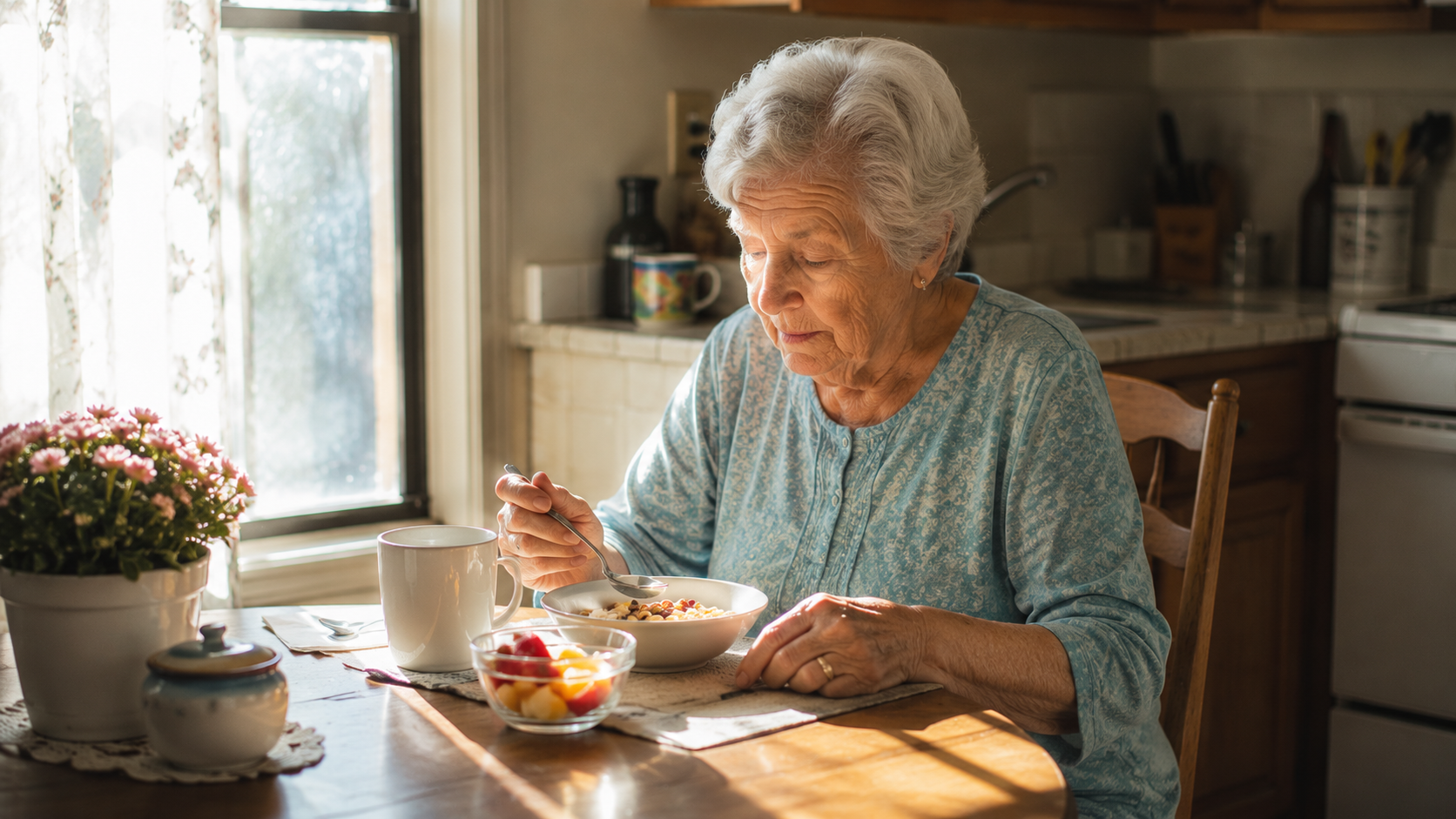
Aging often gets discussed almost entirely in terms of what to watch out for — warning signs, declining function, red flags. But it’s just as valuable to understand the signs of healthy aging everyone should know, so you can recognize genuine progress and reassurance, not just potential problems, and appreciate what’s actually going well alongside whatever challenges may exist.
Having spent years working with seniors across a wide range of health situations, I’ve noticed that the people aging most successfully often share a recognizable set of markers — not perfection, but genuine resilience and adaptability that shows up consistently across physical, cognitive, and emotional domains. Here’s what healthy aging actually tends to look like.
Maintaining Physical Strength and Balance
One of the clearest markers of healthy aging is the ability to perform everyday physical tasks without significant difficulty — getting up from a chair without using your hands, walking at a steady, confident pace, and maintaining reasonable balance during daily activities. While some natural decline is expected, a slow, gradual trajectory rather than sudden drops in physical capability is a positive sign.
Consistent, Restorative Sleep
Sleeping through most of the night, waking feeling reasonably rested, and maintaining a fairly consistent sleep schedule are all positive indicators. While sleep patterns naturally shift somewhat with age — often becoming lighter or slightly shorter — significant, ongoing sleep disruption is worth addressing rather than assuming it’s simply inevitable.
Stable, Healthy Appetite
A consistent interest in food, enjoyment of meals, and stable weight (without significant unintentional gain or loss) are all signs that digestive health, appetite regulation, and overall metabolic function are working well. This doesn’t mean appetite needs to match younger years exactly, but a notable, sustained appetite decline is worth discussing with a doctor.
Sharp, Functional Memory for Daily Life
Healthy aging typically includes some normal memory changes — occasionally misplacing keys, or needing a moment longer to recall a name. What distinguishes healthy aging from more concerning cognitive decline is that these lapses don’t significantly interfere with daily functioning, and the person remains oriented to time, place, and the people around them.
Maintaining Social Connections

Continuing to engage with friends, family, and community — whether through regular visits, phone calls, group activities, or simply enjoying conversation — is a strong marker of healthy aging. Social engagement supports both mental and physical health, and its presence often reflects broader wellbeing across multiple life domains.
Emotional Resilience and Adaptability
Healthy aging often includes the ability to adapt to life changes — retirement, loss of loved ones, physical limitations — without becoming persistently overwhelmed or withdrawn. This doesn’t mean an absence of grief or difficult emotions, but rather an underlying resilience that allows a person to process challenges and continue engaging with life.
Continued Interest in Learning and Growth
Curiosity, willingness to try new things, and interest in learning — whether a new hobby, technology, or simply following current events — are strong markers of cognitive vitality. This ongoing engagement helps build what researchers call cognitive reserve, supporting long-term brain health.
Maintaining a Sense of Purpose
Having reasons to get up in the morning — whether family responsibilities, hobbies, volunteer work, or ongoing goals — is strongly associated with better health outcomes and longevity. A persistent sense of purpose, even if it looks different than it did during working years, is one of the more powerful markers of genuine wellbeing in later life.
Physical Signs Doctors Look For During Routine Visits
It can be reassuring to understand what healthcare providers themselves look for as markers of healthy aging during a routine check-up, since these give a more objective picture beyond how someone simply feels day to day. Common indicators include steady, unassisted gait speed, grip strength within a normal range for age, stable blood pressure without dramatic swings between readings, and the ability to rise from a seated position without using the arms for support.
None of these require perfect scores — they’re markers of a trend, watched over time, rather than pass-fail tests on any single visit. A gradual, gentle decline across years looks very different, medically, from a sudden drop in any of these measures, and doctors are generally looking for the pattern rather than reacting to any single data point in isolation.
Cognitive Signs That Reassure, Rather Than Alarm
Beyond avoiding significant memory lapses, several positive cognitive markers are worth recognizing directly. The ability to follow a multi-step conversation, make and stick to plans, manage finances without significant errors, and adapt to a change in routine without becoming disoriented are all reassuring signs of preserved cognitive function.
Interestingly, research suggests that some cognitive abilities — like vocabulary and accumulated knowledge — often remain stable or even improve into later decades, even as processing speed naturally slows somewhat. Recognizing this distinction can help families appreciate genuine cognitive strengths in an aging parent, rather than focusing exclusively on the areas where some natural slowing is expected and normal.
The Difference Between Healthy Aging and “Successful Aging” Myths
It’s worth distinguishing genuine healthy aging from unrealistic cultural narratives that sometimes suggest aging well means looking or acting significantly younger than your actual age, or avoiding all physical decline entirely. These narratives can create unnecessary pressure and a distorted sense of what healthy aging actually looks like.
Genuine healthy aging embraces the reality of physical changes while focusing on function, adaptation, and quality of life, rather than chasing an unrealistic standard of appearing unaffected by time. A person using a cane confidently and remaining socially engaged is aging just as healthily as someone without mobility aids — the marker isn’t the absence of physical changes, but how well someone continues to function and engage with life despite them.
Emotional Markers That Often Get Overlooked
Beyond physical and cognitive signs, several emotional markers are equally important indicators of healthy aging, though they receive far less attention in typical health discussions. A continued capacity for joy — laughing genuinely, looking forward to specific events or visits, taking pleasure in small daily rituals — reflects real emotional health, even alongside the losses and changes that naturally accompany aging.
Similarly, the ability to express needs and preferences clearly, set boundaries when needed, and maintain a sense of personal identity separate from any caregiving role others may have taken on, all reflect a healthy, intact sense of self. These markers are often harder to quantify than physical measures like grip strength or blood pressure, but they matter just as much to genuine quality of life and overall wellbeing in later years.
How Family Members Can Support These Positive Patterns
For adult children and family members, understanding these markers of healthy aging can help shift the focus from constant vigilance for decline toward genuine appreciation for what’s going well. Celebrating a parent’s continued engagement in hobbies, noting their effective management of a chronic condition, or simply acknowledging their emotional resilience through a difficult life transition can reinforce these positive patterns and strengthen the relationship.
This doesn’t mean ignoring genuine warning signs when they appear, but rather maintaining a balanced perspective that recognizes both the challenges and the genuine strengths present in a parent’s aging process, rather than viewing aging purely through a lens of impending decline.
Effective Management of Chronic Conditions
Many older adults live with one or more chronic conditions — high blood pressure, diabetes, arthritis — and healthy aging doesn’t require the absence of these conditions. Instead, it’s marked by effective management: taking medications consistently, attending regular check-ups, and adapting daily habits to support the condition rather than ignoring it.
Comfortable Acceptance of Some Support
Perhaps counterintuitively, healthy aging often includes a willingness to accept appropriate help when needed — whether that’s a family member assisting with heavier tasks, a hearing aid, or occasional help with transportation. This flexibility, rather than rigid insistence on managing everything entirely alone, tends to correlate with better long-term outcomes and safety.
Recognizing When Something Feels Different
Part of healthy aging also includes self-awareness — noticing when something feels different than your own baseline, and being willing to bring it up with a doctor rather than dismissing changes as simply “getting old.” This proactive self-monitoring often catches treatable issues earlier, supporting continued healthy aging over time.
This kind of self-awareness isn’t about anxiously monitoring every small change or catastrophizing normal variation. Rather, it’s about maintaining a general sense of your own baseline across physical, cognitive, and emotional domains, so that genuine shifts stand out clearly enough to prompt a conversation with a healthcare provider, rather than being dismissed or rationalized away indefinitely.
Why These Markers Matter More Than a Single Health Metric
It can be tempting to focus on a single number — blood pressure, cholesterol, a specific test result — as the primary indicator of healthy aging. While these medical markers matter, they don’t capture the full picture of someone’s wellbeing. A person can have excellent lab results but struggle with isolation and low mood, while another person managing several chronic conditions carefully may show remarkable resilience, purpose, and quality of life.
This is part of why healthcare providers increasingly emphasize a holistic view of aging, considering physical function, mental health, social connection, and personal sense of purpose together, rather than relying on any single metric to define what healthy aging looks like for a particular individual.
What to Do If You’re Not Seeing These Signs
If you or a loved one aren’t experiencing many of these markers, it doesn’t necessarily indicate a serious problem — but it may be worth a closer look. Our articles on signs your aging parent may need more help than they’re letting on and 10 daily habits that help you stay healthy after 60 both offer practical next steps for addressing specific areas of concern, whether physical, cognitive, or emotional.
According to the National Institute on Aging, healthy aging is best understood not as the complete absence of health challenges, but as maintaining function, independence, and quality of life despite whatever challenges do arise.
Frequently Asked Questions
Does healthy aging mean having no health problems at all? No — healthy aging is more accurately understood as effectively managing whatever health conditions arise, while maintaining function, independence, and quality of life, rather than requiring a complete absence of health challenges or a spotless medical record.
What’s the biggest sign that someone is aging well? There’s no single marker, but maintained physical function, social engagement, and emotional resilience together tend to be some of the strongest overall indicators of healthy aging, particularly when observed as a consistent pattern rather than a single moment in time.
Can someone start showing signs of healthy aging even if they haven’t lived particularly healthy in the past? Yes — research consistently shows that positive changes in habits, even later in life, can meaningfully improve physical function, cognitive health, and overall wellbeing, regardless of past lifestyle choices, and it’s genuinely never too late to see measurable improvement.
How do I know if a memory lapse is normal aging or something more concerning? Occasional, minor lapses that don’t interfere with daily functioning are typically normal. Frequent memory issues that affect daily tasks, safety, or independence are worth discussing with a doctor, particularly if family members notice a clear change from the person’s own established baseline over time.
Recognizing these signs isn’t about setting a bar you have to clear perfectly — it’s about noticing the genuine strengths already present in your own life or a loved one’s, and building on them with intention rather than focusing exclusively on what feels like it’s slipping.
Conclusion
Healthy aging isn’t about avoiding every challenge that comes with growing older — it’s about maintaining physical function, cognitive engagement, social connection, and emotional resilience despite whatever difficulties do arise. Recognizing these positive signs, in yourself or a loved one, offers genuine reassurance and a clearer, more balanced picture of what aging well actually looks like in real life, beyond the narrow lens of any single health metric or worrisome moment.
Disclaimer: This article is intended for general informational and educational purposes only and does not constitute medical advice. Please consult your doctor with any specific health concerns or questions about your own aging process.