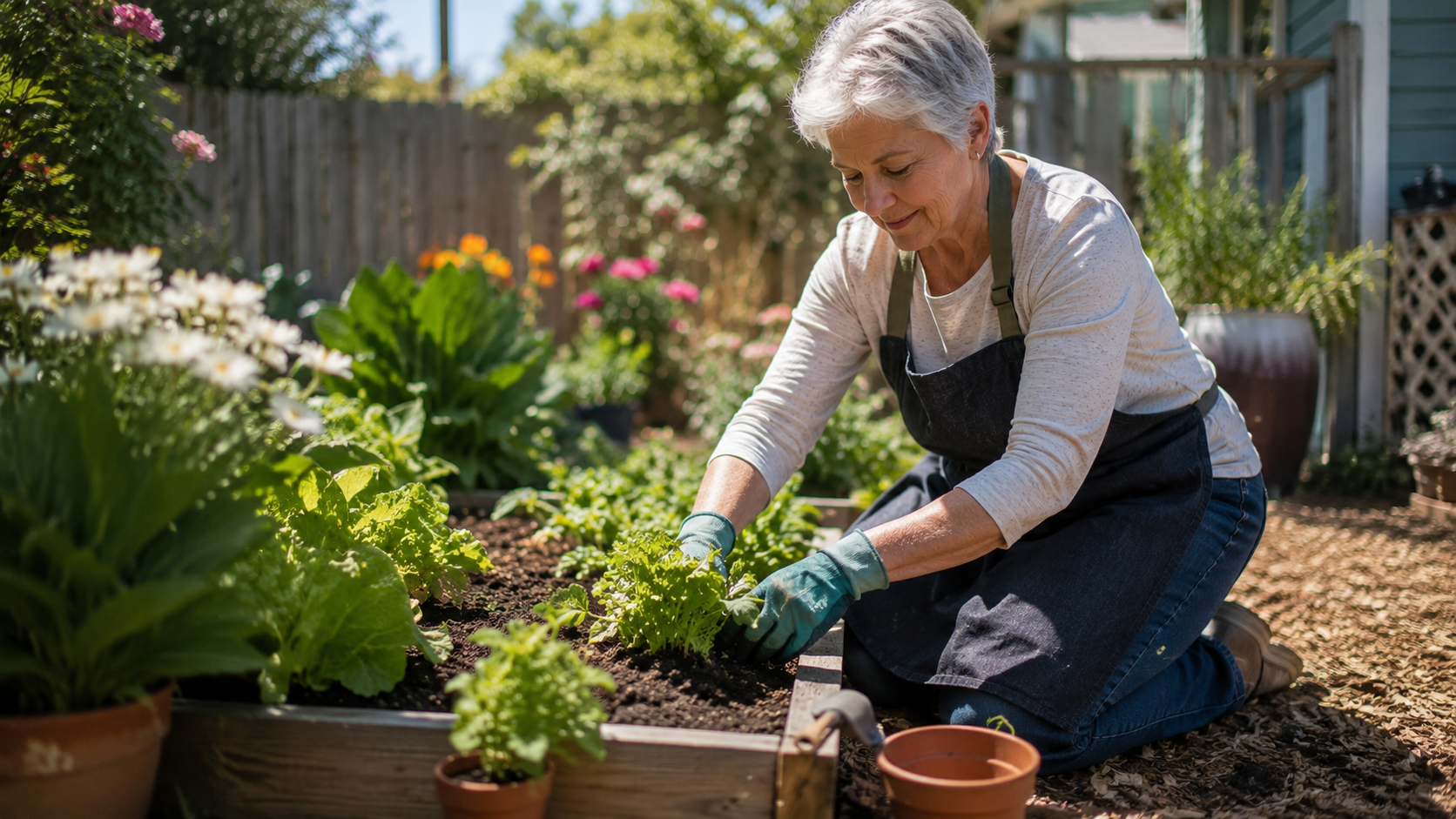
Independence is one of the things people fear losing most as they get older — the ability to live in your own home, make your own decisions, and manage your own daily life without relying heavily on others. Learning how to stay independent as you age isn’t about denying that some things get harder over time. It’s about being proactive, so that when challenges do arise, you’re prepared rather than caught off guard, with a plan already in place rather than scrambling to react.
Having worked closely with seniors navigating exactly this transition, and having supported my own parents through it, I’ve seen that independence isn’t an all-or-nothing outcome. It’s something you can actively protect and extend, often for many more years than people expect, through a combination of planning, home adjustments, health habits, and a willingness to accept the right kind of support at the right time.
Learning From Others Who’ve Aged Independently Well
It can be genuinely encouraging to look at the patterns among seniors who successfully maintain independence well into their 80s and beyond. Common threads tend to include starting home and health adjustments early rather than waiting for a crisis, maintaining a small but reliable circle of support rather than trying to manage entirely alone, and staying flexible about accepting help with certain tasks while fiercely protecting autonomy in the areas that matter most to them personally.
This suggests that independence isn’t really about doing everything unaided — it’s about staying in control of the decisions that matter most to you, while being strategic and open-minded about where support genuinely makes life easier rather than more restricted.
Start With a Home Safety Assessment

Most falls and safety incidents happen at home, often due to hazards that have simply gone unnoticed over time. A basic home safety walkthrough can identify risks before they cause an injury:
- Remove loose rugs or secure them with non-slip backing
- Install grab bars in the bathroom, particularly near the toilet and shower
- Improve lighting in hallways, stairways, and entryways
- Clear walking paths of clutter, cords, and furniture that create obstacles
- Consider a raised toilet seat or shower chair if balance is a concern
Many communities offer free or low-cost home safety assessments through local aging services or occupational therapists, which can identify risks you might not think to look for yourself. These professionals are trained to spot hazards that seem completely ordinary to someone who has lived in a home for years, precisely because familiarity can make genuine risks blend into the background of everyday life.
Stay Physically Active, Even in Small Ways
Physical strength and balance are two of the biggest factors in maintaining independence long-term. Regular movement — walking, light strength training, balance exercises — helps preserve the physical capability needed for everyday tasks like climbing stairs, carrying groceries, or simply getting up from a chair without assistance.
You don’t need an intense fitness regimen. Consistency matters far more than intensity when it comes to preserving functional independence over time.
Keep Your Medical Care Proactive, Not Reactive
Regular check-ups, vision and hearing screenings, and medication reviews all play a significant role in catching small issues before they become bigger problems that threaten independence. Vision and hearing decline, in particular, are often gradual and easy to underestimate, yet they significantly increase fall risk and social isolation when left unaddressed.
Build a Reliable Support Network Before You Need It
One of the most overlooked strategies for staying independent is building a support network in advance, rather than scrambling to find help during a crisis. This might include:
- Neighbors who can check in occasionally or help with small tasks
- Family members who know your preferences and wishes in advance
- A list of local service providers for home repairs, transportation, or errands
- Community resources like senior centers, meal delivery programs, or transportation services
Having this network established before it’s urgently needed makes it far easier to accept and use support when circumstances change.
Use Technology to Extend Independence
Modern technology offers meaningful tools for maintaining independence longer than previous generations could:
- Medical alert systems that connect you to help with the press of a button
- Automatic medication dispensers that reduce the risk of missed or doubled doses
- Video calling to stay connected with family, especially if mobility limits travel
- Smart home devices that can control lighting, locks, or thermostats with voice commands or simple apps
These tools aren’t about replacing independence — they’re about extending it, by providing safety nets that reduce risk without requiring you to give up living on your own terms.
Address Vision and Hearing Changes Early
Declining vision and hearing often happen so gradually that people adapt without realizing how much they’ve lost, until a fall, missed conversation, or driving incident reveals the extent of the change. Regular screenings, updated glasses prescriptions, and hearing aids when appropriate all support both physical safety and continued social engagement — two pillars of long-term independence.
Keep Driving Skills Honest and Current
For many seniors, driving represents a core symbol of independence, which can make it a difficult topic to assess honestly. Regular self-check-ins — noticing increased difficulty with night driving, slower reaction times, or more frequent near-misses — allow for proactive adjustments, like limiting driving to daytime or familiar routes, rather than waiting for a serious incident to force the issue.
Staying Connected to Community Resources
Beyond personal support networks, many communities offer formal resources specifically designed to help seniors remain independent — meal delivery programs, transportation services, senior centers offering social and educational activities, and local Area Agencies on Aging that can connect residents with a wide range of services tailored to their specific needs.
Getting familiar with these resources before they’re urgently needed, rather than scrambling to find them during a crisis, makes it far easier to access support quickly when circumstances change. Many of these programs are underutilized simply because people don’t know they exist or assume, incorrectly, that they’re not eligible or that the process of accessing them will be overly complicated.
Plan for Financial Independence Too
Independence isn’t only physical — financial stability plays a significant role as well. Working with a financial advisor to ensure retirement funds are managed sustainably, understanding what benefits you’re entitled to, and keeping essential documents organized and accessible all support long-term independence and reduce stress during unexpected situations.
Adapting Your Living Space as Needs Change
Independence often isn’t about staying in an unchanged home forever — it’s about adapting the home to match changing needs over time. This might mean converting a downstairs room into a bedroom to avoid stairs, installing a walk-in shower to replace a high-sided tub, or widening doorways to accommodate a walker or wheelchair if mobility changes down the road.
Planning these modifications proactively, rather than waiting until a fall or health crisis forces the issue, tends to be both less expensive and less stressful. Many communities also offer financial assistance programs specifically for home modifications that support aging in place, which can make even significant changes more accessible than expected.
The Emotional Side of Maintaining Independence
Beyond the practical strategies, it’s worth acknowledging that fears around losing independence often carry real emotional weight — tied to identity, self-worth, and a lifetime of self-reliance. Feeling anxious about accepting help, or frustrated when tasks become harder than they used to be, is a completely normal response, not a sign of failure.
Talking openly about these feelings, whether with family, friends, or a counselor, can make the practical adjustments discussed throughout this article easier to accept. Independence isn’t just a physical state — it’s also a psychological one, and tending to both sides of that experience tends to produce a more sustainable, less anxious approach to aging well.
Planning for Transportation Without a Car
For many seniors, driving eventually becomes limited or stops altogether, which can significantly threaten independence if transportation alternatives haven’t been considered in advance. Rather than waiting until driving is no longer possible, it’s worth researching local options ahead of time — community senior transportation services, ride-sharing apps (potentially with help from a family member setting up the account), public transit routes, or arrangements with neighbors or family for regular errands.
Having this plan in place before it’s urgently needed removes one of the most common sources of anxiety around eventually giving up driving, and helps ensure that a change in transportation doesn’t automatically mean a significant loss of independence in other areas of life, like attending appointments, social events, or simply getting groceries.
The Value of a Trial Run Before a Crisis
Rather than waiting for an emergency to test whether current support systems actually work, some families find it valuable to run a deliberate trial — perhaps having an adult child stay elsewhere for a week while a parent manages independently with whatever supports are currently in place, or testing a medical alert system during a planned period rather than only in an actual emergency.
These trial runs can reveal gaps in a support plan while the stakes are still low, allowing adjustments to be made calmly rather than being forced to problem-solve during an actual crisis, when stress and urgency make thoughtful planning much more difficult.
Recognizing When More Support Is Needed
Staying independent doesn’t mean refusing all help — it means accepting the right amount of support at the right time, so you can continue living life on your own terms for as long as possible. If you’re unsure which category you’re dealing with, our article on signs your aging parent may need more help than they’re letting on — though written from a caregiver’s perspective — can help you self-assess many of these same warning signs from your own point of view, offering a useful cross-check against your own self-perception.
According to the National Institute on Aging, proactive planning around home safety, health management, and support networks significantly increases the likelihood of aging safely and independently at home.
Frequently Asked Questions
At what age should I start thinking about independence planning? There’s no specific age requirement — many experts recommend starting home safety assessments and support network planning well before any specific need arises, ideally in your 50s or 60s, while these tasks can be approached calmly rather than urgently.
Does accepting some help mean I’m losing my independence? Not at all. Strategic, proactive support — like a medical alert system or occasional help with home tasks — often extends independence significantly, rather than diminishing it, by preventing the kinds of incidents that could force a much more restrictive transition later on.
How do I know if it’s time to stop driving? Warning signs include frequent near-misses, difficulty seeing at night, slower reaction times, or family members expressing genuine safety concerns. A formal driving assessment can offer an objective evaluation if you’re unsure, removing some of the emotional difficulty of making this call entirely on your own.
What’s the biggest factor in maintaining long-term independence? Research consistently points to a combination of physical activity, proactive healthcare, and a strong support network as the most significant factors in extending independent living. Financial preparedness and home safety modifications round out the picture, working together rather than any single factor standing alone as sufficient.
Conclusion
Staying independent as you age isn’t about refusing to change or avoiding help altogether — it’s about being proactive with home safety, health management, and support networks, so you can continue living life on your own terms for as long as possible. Small, consistent efforts today, made well before they feel urgently necessary, make a meaningful difference in how much independence you’re able to preserve for years to come, and it’s never too early to start planning ahead, even if you feel completely fine right now.
Disclaimer: This article is intended for general informational and educational purposes only and does not constitute medical, legal, or financial advice. Please consult a qualified healthcare provider, financial advisor, or occupational therapist for guidance specific to your situation.