Mindfulness often gets associated with elaborate meditation practices, silent retreats, or complicated techniques that feel inaccessible for everyday life. In reality, simple mindfulness exercises can be woven into ordinary daily moments, offering genuine stress reduction and mental clarity without requiring extensive time, special training, or a completely restructured lifestyle.
Having introduced mindfulness practices to seniors skeptical of anything resembling “meditation,” I want to share exercises that feel genuinely practical and approachable, along with why these simple practices offer real, research-supported benefit.
What Mindfulness Actually Means
Mindfulness, at its core, simply means paying full, non-judgmental attention to the present moment, rather than being lost in worry about the future or rumination about the past. This doesn’t require any particular spiritual or philosophical belief system — it’s fundamentally a practical mental skill, similar to any other skill that improves with practice, that helps interrupt the anxious or ruminative thought patterns that often drive stress and dissatisfaction.
Understanding mindfulness this way — as a practical, trainable skill rather than a mystical practice — tends to make it feel considerably more accessible, particularly for those who might otherwise dismiss it as something disconnected from their own practical, grounded approach to life.
Why Mindfulness May Be Particularly Valuable in Later Life
While mindfulness offers benefit at any age, several factors make it particularly relevant for older adults specifically. Later life often involves navigating genuine losses and transitions — health changes, the loss of loved ones, shifts in independence — that can generate significant rumination about the past or worry about the future. Mindfulness’s core skill of returning attention to the present moment offers a genuinely useful tool for these specific challenges, providing relief from the mental cycling that often accompanies difficult life transitions.
Additionally, some research suggests mindfulness practice may offer cognitive benefits relevant to healthy aging, including potential support for attention and emotional regulation, adding a layer of benefit beyond stress reduction alone. This combination of stress relief and potential cognitive support makes mindfulness a particularly well-suited practice for this specific life stage, addressing multiple relevant concerns simultaneously through a single, accessible practice.
Common Misconceptions That Prevent People From Trying Mindfulness
Several common misconceptions sometimes prevent people from exploring mindfulness practice, despite its genuine accessibility and evidence base. Some assume mindfulness requires completely emptying the mind of all thoughts, which isn’t actually the goal and would be essentially impossible for anyone. Others assume it requires extensive time commitment, when even brief, minute-long practices provide genuine benefit. Still others associate mindfulness exclusively with specific religious or spiritual traditions, when the practical, secular applications discussed throughout this article require no particular belief system to practice or benefit from.
Addressing these misconceptions directly can help remove barriers that might otherwise prevent someone from trying an accessible, genuinely beneficial practice simply due to misunderstanding what it actually involves or requires.
Mindful Breathing
This foundational exercise anchors attention to the breath, providing an immediate, always-available tool for interrupting anxious or scattered thinking.
How to practice it: Sit comfortably and simply notice your breath moving in and out, without trying to change it. When your mind wanders, which it naturally will, gently bring attention back to the breath without judgment. Even two to three minutes of this practice can provide genuine calming benefit.
The Five Senses Check-In
This grounding exercise brings attention fully into the present moment by systematically noticing sensory experience, which naturally interrupts anxious or ruminative thought patterns.
How to practice it: Pause and notice five things you can see, four things you can hear, three things you can physically feel, two things you can smell, and one thing you can taste. This structured attention to immediate sensory experience provides a reliable way to interrupt spiraling thoughts.
Mindful Eating
Rather than eating on autopilot while distracted by television or worry, mindful eating brings full attention to the experience of a meal, offering both stress relief and often improved digestion and satisfaction with food.
How to practice it: For at least the first few bites of a meal, notice the appearance, smell, texture, and taste of the food fully, without distraction. This doesn’t require every meal to become a formal mindfulness exercise, but even brief mindful attention during eating offers genuine benefit.
Mindful Walking
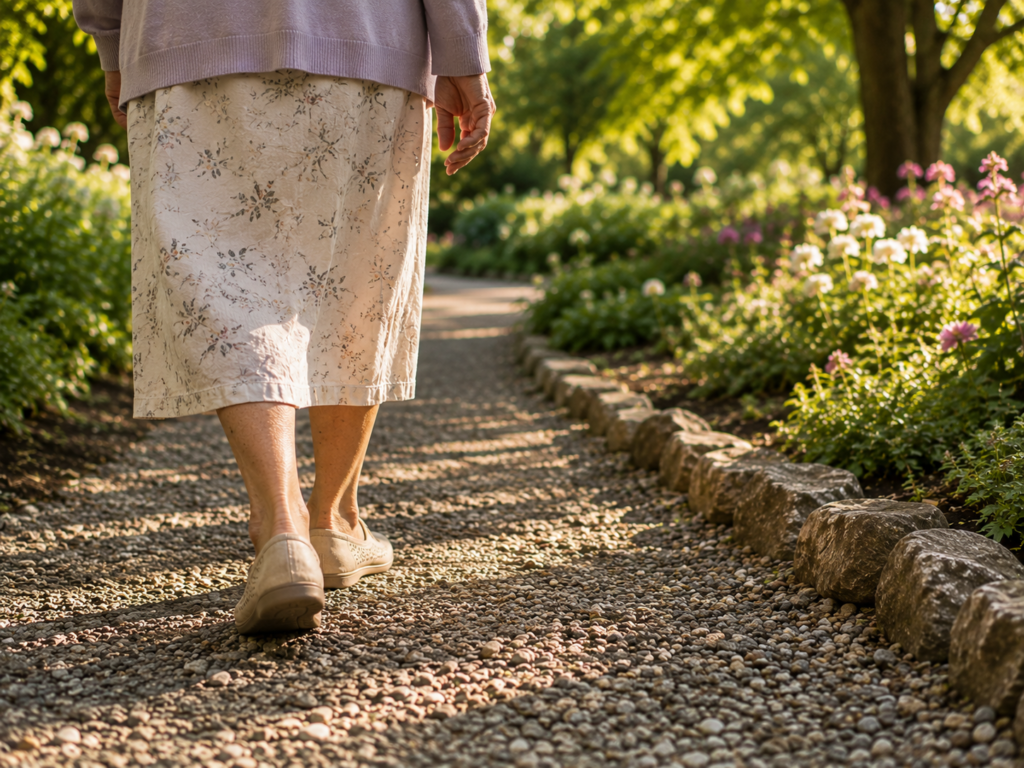
Walking, an activity many people already do regularly, can become a mindfulness practice simply by bringing full attention to the physical experience of movement.
How to practice it: During a regular walk, notice the sensation of your feet touching the ground, the rhythm of your breathing, and your surroundings, gently returning attention to these physical sensations whenever your mind wanders to worry or planning.
Body Scan for Physical Tension
This exercise systematically brings attention through the body, often revealing physical tension that’s been building unconsciously, while also providing a calming, grounding effect.
How to practice it: Starting from your feet and moving upward, briefly bring attention to each part of your body, noticing any tension without necessarily trying to force relaxation, simply observing what’s present. This can be done seated or lying down, taking anywhere from two to ten minutes depending on how much time you have available.
Mindful Listening
This exercise, easily incorporated into everyday conversations, brings full attention to what another person is saying, rather than the common pattern of partially listening while mentally formulating a response.
How to practice it: During your next conversation, practice giving your complete attention to the other person’s words, resisting the urge to plan your response while they’re still speaking. This not only provides a mindfulness benefit but often genuinely improves the quality of your relationships and conversations.
Gratitude Noticing
While gratitude practices are sometimes treated separately from mindfulness, briefly noticing something you’re grateful for combines present-moment awareness with a mood-supporting focus.
How to practice it: At any point during the day, pause and notice one specific thing you’re grateful for in that exact moment — not a general category, but something specific and present, like the warmth of sunlight or the taste of your coffee.
The One-Minute Pause
For those who feel too busy or distracted for longer mindfulness practices, this extremely brief exercise offers a genuinely accessible entry point requiring minimal time commitment.
How to practice it: Simply pause whatever you’re doing for one full minute, closing your eyes if comfortable, and focus entirely on your breath. This tiny practice, done consistently throughout the day, can provide meaningful cumulative benefit despite requiring almost no time investment.
Mindfulness During Difficult Emotions
Beyond general stress reduction, mindfulness offers a specific, valuable approach for navigating genuinely difficult emotions — grief, fear, frustration — that inevitably arise throughout later life. Rather than either suppressing these emotions or becoming completely overwhelmed by them, mindfulness offers a middle path: acknowledging and observing the emotion with curiosity and acceptance, without either fighting it or being swept away by it entirely.
How to practice it: When experiencing a difficult emotion, try simply naming it (“I notice I’m feeling frustrated”) and observing where you feel it physically in your body, without immediately trying to fix, change, or eliminate the feeling. This practice of acknowledging emotions directly, rather than avoiding or suppressing them, often paradoxically makes them feel more manageable than either ignoring them or becoming consumed by them entirely.
Building Mindfulness Into Daily Life
Rather than treating mindfulness as a separate, additional task requiring dedicated time, attaching brief mindfulness moments to existing daily activities — mindful breathing while waiting for coffee to brew, a five senses check-in during a regular walk, mindful listening during conversations you’re already having — tends to support more consistent, sustainable practice than requiring an entirely new, separate routine.
This integration approach also reflects mindfulness’s actual purpose more authentically — bringing present-moment awareness into ordinary life, rather than treating it as a special, separate activity disconnected from everyday experience.
Group Mindfulness Options Worth Exploring
While all the exercises discussed throughout this article can be practiced independently, many community centers, libraries, and senior centers offer group mindfulness or meditation classes, providing both structured instruction and the social connection that often enhances the overall experience. Practicing alongside others, even in silence, can provide a sense of shared experience and accountability that supports more consistent practice than attempting it entirely alone.
For those who find self-directed practice difficult to maintain consistently, exploring these group options, or guided mindfulness apps and recordings, can provide helpful structure and support while you develop familiarity and confidence with these practices, potentially transitioning to more independent practice once the basic skills feel more comfortable and natural.
What Research Says About Mindfulness Benefits
Research on mindfulness practices has found associations with reduced anxiety and stress, improved emotional regulation, and in some studies, even measurable changes in brain structure associated with these benefits. This research base provides genuine, evidence-supported reason to consider these practices, beyond simply anecdotal enthusiasm or trend-following.
For a broader look at anxiety management strategies that complement mindfulness practice, our article on managing anxiety as you get older covers additional approaches that work alongside these mindfulness exercises.
According to the National Institute on Aging, mindfulness and relaxation techniques can play a valuable role in managing stress and anxiety for older adults, complementing other treatment approaches when needed.
Frequently Asked Questions
Do I need any special training to practice mindfulness? No — the exercises discussed throughout this article require no special training, equipment, or prior experience, making them genuinely accessible starting points for anyone curious about mindfulness practice.
How long before I notice benefits from mindfulness practice? Some people notice immediate calming effects from a single practice session, while more substantial, lasting changes in stress response and emotional regulation typically develop over weeks of consistent practice sustained across many individual sessions.
Is mindfulness the same as meditation? Mindfulness is a broader concept that meditation is one way of practicing, but mindfulness can also be incorporated into everyday activities, as demonstrated by several exercises in this article, without requiring formal seated meditation or any dedicated practice time set aside specifically for it.
What if my mind wanders constantly during these exercises? This is completely normal and expected, even for experienced practitioners. The practice isn’t about achieving a completely quiet mind, but about noticing when attention wanders and gently returning it, which is itself the actual skill being developed through consistent, patient practice over time.
Mindfulness as a Lifelong, Evolving Practice
Like any genuine skill, mindfulness practice tends to deepen and evolve with continued engagement over months and years, rather than reaching a fixed endpoint of mastery. Early practice often feels effortful, with attention wandering frequently and noticeably, while continued practice tends to make returning attention to the present moment feel more natural and less effortful over time, even though the mind will always continue to wander to some degree, regardless of how experienced a practitioner becomes.
Viewing mindfulness as an ongoing, lifelong practice rather than a technique to master and then set aside tends to support more genuine, sustained benefit than approaching it as a temporary intervention for a specific, time-limited concern. The practices discussed throughout this article remain relevant and valuable at any stage of practice, whether you’re trying mindfulness for the very first time or returning to it after years of familiarity, making this a genuinely accessible entry point regardless of your prior experience or current life circumstances.
Conclusion
Simple mindfulness exercises — mindful breathing, the five senses check-in, mindful walking, and brief gratitude noticing among them — offer genuinely accessible tools for reducing stress and finding more calm in everyday life. These practices don’t require extensive time or special training, just consistent, gentle attention brought to moments you’re already experiencing throughout your regular day.
Approaching Mindfulness Without Pressure to Do It Perfectly
Mindfulness practice sometimes gets approached with the same performance pressure people bring to other skills, worrying about doing it “correctly” or judging themselves for a wandering mind. Letting go of this pressure, and approaching these exercises with genuine curiosity and self-compassion rather than strict expectation, tends to make the practice both more enjoyable and, ultimately, more genuinely beneficial over the weeks and months of continued practice ahead.
Disclaimer: This article is intended for general informational and educational purposes only and does not constitute medical or mental health advice. If stress or anxiety significantly affects your daily functioning, please consult your doctor or a mental health professional.