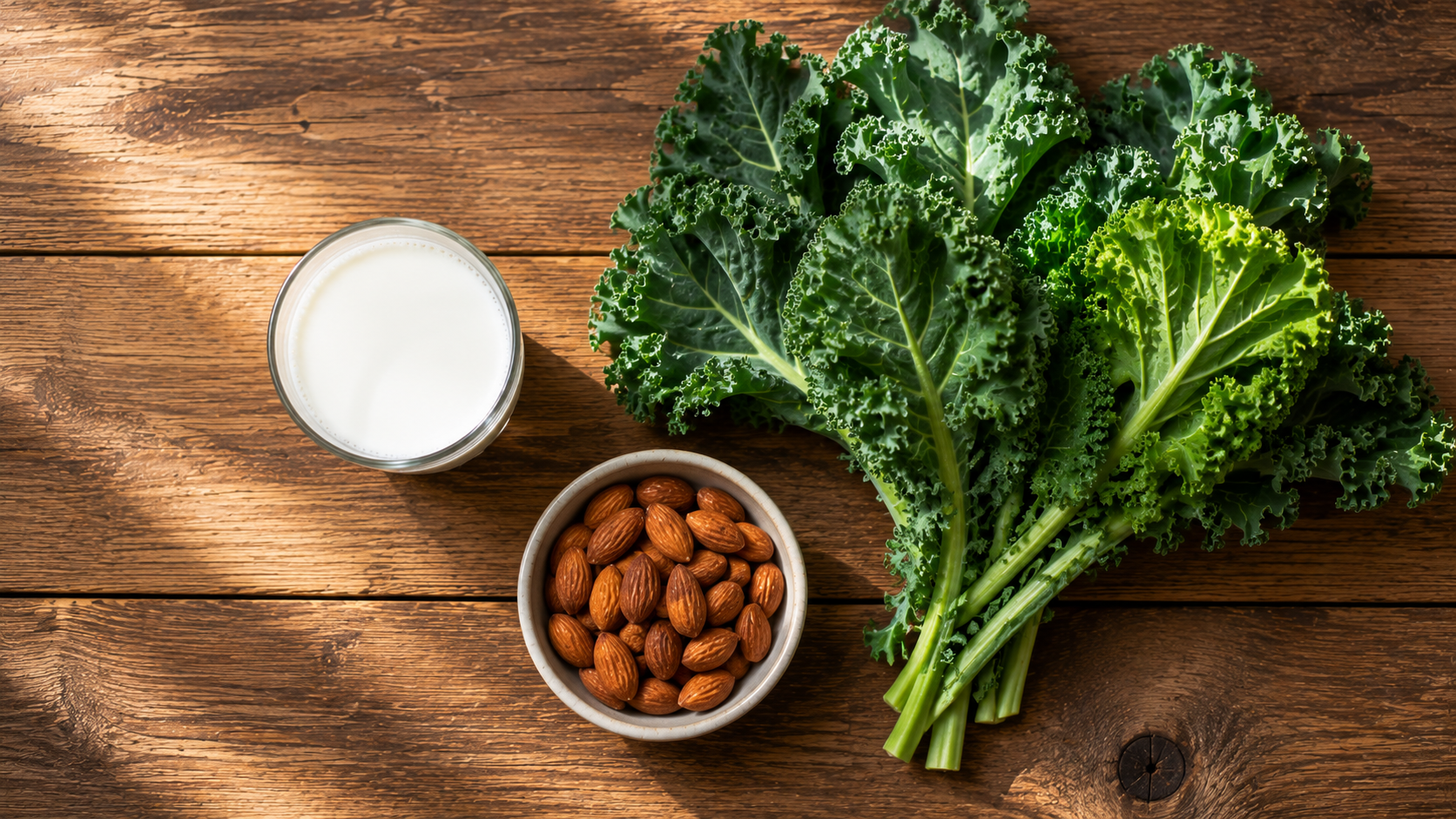
Bone density naturally declines with age, making adequate calcium intake, alongside other supporting nutrients, an increasingly important priority for reducing fracture risk and maintaining long-term mobility and independence. Understanding which calcium-rich foods for bone health genuinely deliver on this need can help you build a sustainable, food-based strategy for protecting your bones, rather than relying entirely on supplements.
Having worked with seniors navigating bone health concerns, including those managing osteoporosis or osteopenia, I want to walk through the foods that provide meaningful calcium alongside the complementary nutrients your bones actually need to use that calcium effectively for genuine, lasting benefit.
Why Bone Health Becomes Increasingly Important With Age
Bone tissue is constantly being broken down and rebuilt throughout life, but after roughly age 30, the rate of bone breakdown gradually begins to exceed the rate of rebuilding, leading to a slow, ongoing decline in bone density. This process accelerates further for women after menopause, due to the protective effects of estrogen on bone density diminishing significantly.
This gradual decline makes older adults increasingly susceptible to osteoporosis and fractures, which can have serious consequences for independence and quality of life, making proactive attention to bone-supporting nutrition a genuinely significant health priority rather than something to address only after a problem has already occurred.
Understanding Osteoporosis and Osteopenia
Osteoporosis refers to significantly reduced bone density that increases fracture risk substantially, while osteopenia describes a milder, earlier stage of bone density loss that hasn’t yet reached osteoporosis levels but still warrants attention. Both conditions are typically diagnosed through a bone density scan (DEXA scan), which most doctors recommend periodically for older adults, particularly postmenopausal women and men over 70, or those with specific risk factors like family history or long-term steroid use.
Understanding where you currently stand through appropriate screening allows for more targeted nutritional and lifestyle interventions, rather than a generic approach applied without knowledge of your actual bone density status. If you haven’t discussed bone density screening with your doctor, particularly if you’re in a higher-risk category, this is worth raising directly rather than waiting for it to be offered, since screening isn’t always automatically initiated without a specific conversation.
How Medications Can Affect Calcium Absorption and Bone Health
Several common medications can affect calcium absorption or bone density more broadly, including long-term corticosteroid use, certain acid-reducing medications that decrease stomach acid needed for calcium absorption, and some medications used for other chronic conditions. This doesn’t necessarily mean these medications should be avoided, since they’re often addressing genuinely important health needs, but it does mean being aware of this interaction and discussing it with your doctor, who may recommend additional monitoring or supplementation to offset these effects.
This is part of why a comprehensive conversation with your doctor about bone health should include a review of your current medications, rather than focusing exclusively on diet and exercise in isolation from other factors that may be influencing your bone health status.
Dairy Products for Concentrated, Well-Absorbed Calcium
Milk, yogurt, and cheese provide some of the most concentrated, well-absorbed calcium sources available, along with protein that also supports bone health, making dairy products a particularly efficient choice for meeting calcium needs.
Calcium content: Roughly 300 milligrams per cup of milk or yogurt, and varying amounts in cheese depending on type, with harder, aged cheeses generally providing more calcium per serving than softer, fresher varieties.
Leafy Greens for Calcium Plus Additional Bone-Supporting Nutrients
Kale, collard greens, and bok choy provide meaningful calcium alongside vitamin K, another nutrient important for bone health, offering a valuable option particularly for those who don’t consume dairy.
Calcium content: Varies by specific green, with collard greens providing roughly 260 milligrams per cooked cup, though absorption from some leafy greens (particularly spinach) is somewhat limited by naturally occurring compounds called oxalates.
Fortified Plant-Based Milk Alternatives
Many plant-based milk alternatives — almond, soy, oat — are fortified with calcium to levels comparable to dairy milk, providing an accessible option for those avoiding dairy due to preference, allergy, or intolerance.
Calcium content: Typically fortified to provide roughly 300 milligrams per cup, similar to dairy milk, though it’s worth checking specific product labels since fortification levels can vary between brands.
Canned Fish With Bones for Calcium Plus Vitamin D
Canned salmon and sardines, when consumed with their soft, edible bones, provide substantial calcium alongside vitamin D and omega-3 fatty acids, offering a particularly efficient combination of bone-supporting nutrients in a single food.
Calcium content: Roughly 180-325 milligrams per serving depending on specific product, making these among the more calcium-dense options available outside of dairy.
Tofu for Plant-Based Calcium
Tofu processed with calcium sulfate (worth checking the label, since not all tofu is prepared this way) provides substantial plant-based calcium alongside protein, making it a valuable option for those following plant-based diets.
Calcium content: Varies significantly by preparation, but calcium-set tofu can provide upward of 200-400 milligrams per serving, making it worth specifically seeking out this preparation method when shopping.
Almonds for Calcium Plus Healthy Fats
Almonds provide meaningful calcium alongside healthy fats and protein, making them a versatile snack option that contributes to bone health alongside other nutritional benefits.
Calcium content: Roughly 75 milligrams per quarter cup, making almonds a modest but meaningful contributor when combined with other calcium sources throughout the day.
Fortified Cereals and Orange Juice
Many breakfast cereals and orange juice products are fortified with calcium, providing an accessible way to boost intake, particularly for those who find dedicated calcium-rich foods less appealing or convenient to incorporate regularly.
Calcium content: Varies significantly by specific product, making it worth checking labels, but many fortified products provide 100-300 milligrams per serving.
Why Vitamin D Matters Just as Much as Calcium

Calcium alone isn’t sufficient for bone health — vitamin D plays an essential role in calcium absorption, meaning adequate calcium intake without sufficient vitamin D may not translate into the bone-protective benefit you’re aiming for. Vitamin D can be obtained through limited dietary sources (fatty fish, fortified foods), sun exposure, or supplementation, which becomes increasingly important since skin’s capacity to produce vitamin D from sunlight decreases with age.
Given how commonly vitamin D deficiency occurs, particularly among older adults with limited sun exposure, many doctors recommend a blood test to check vitamin D levels, allowing for targeted supplementation if a genuine deficiency exists rather than guessing at appropriate intake.
The Role of Vitamin K and Magnesium
Beyond calcium and vitamin D, vitamin K (found in leafy greens) and magnesium (found in nuts, seeds, and whole grains) also play supporting roles in bone health, helping direct calcium appropriately into bone tissue and supporting the structural matrix that gives bones their strength.
This reinforces why a varied, whole-food-based diet, rather than a narrow focus on calcium alone, tends to provide more comprehensive bone-supporting nutrition than any single nutrient addressed in isolation.
Practical Tips for Maximizing Calcium Absorption
Beyond simply consuming calcium-rich foods, a few practical strategies can help maximize how much calcium your body actually absorbs and uses. Spreading calcium intake across the day, rather than consuming it all in one large meal, tends to support better absorption, since the body can only absorb a limited amount of calcium at once. Pairing calcium-rich foods with vitamin D sources, where possible, supports absorption directly, while limiting excessive sodium intake matters too, since high sodium consumption can increase calcium loss through urine over time.
Additionally, moderating caffeine and alcohol intake, both of which can modestly interfere with calcium absorption when consumed in excess, provides another practical lever for supporting overall calcium status, though moderate consumption of either isn’t likely to significantly undermine bone health when overall calcium intake and other bone-supporting factors are adequately addressed.
The Connection Between Falls and Fracture Risk
While this article focuses on nutritional support for bone density, it’s worth remembering that fractures typically result from the combination of reduced bone density and a fall or other trauma. This means that fall prevention — through balance exercises, home safety modifications, and appropriate footwear — works alongside bone-supporting nutrition as an equally important strategy for reducing fracture risk overall, rather than nutrition alone providing complete protection regardless of fall risk.
For a comprehensive approach to fracture prevention, combining the nutritional strategies discussed throughout this article with the balance and fall-prevention strategies covered in our article on balance exercises to prevent falls provides more complete protection than either approach addressed in isolation from the other.
When to Discuss Bone Health Screening With Your Doctor
If you haven’t had a bone density screening and fall into a higher-risk category — postmenopausal women, men over 70, anyone with a family history of osteoporosis, or those who’ve taken long-term corticosteroids — raising this topic directly with your doctor ensures you have accurate information about your current bone health status rather than relying on assumptions. Early identification of declining bone density allows for more proactive intervention, potentially including more targeted nutritional strategies, appropriate exercise recommendations, or medication when warranted, rather than only becoming aware of significant bone loss after a fracture has already occurred.
This proactive approach to screening and awareness represents an important complement to the dietary strategies discussed throughout this article, ensuring that nutritional efforts are informed by accurate knowledge of your individual bone health status and specific risk factors.
Building Calcium-Rich Foods Into Realistic Meals
A sustainable approach might include incorporating a dairy or fortified alternative serving at breakfast, adding leafy greens to lunch or dinner regularly, choosing calcium-set tofu or canned fish with bones periodically, and snacking on almonds or other calcium-containing nuts. These consistent, modest additions across the day tend to add up to meaningful total calcium intake without requiring a single large calcium-focused meal or supplement-only approach.
For a broader look at nutrition supporting overall healthy aging, our article on foods that help you age gracefully covers additional nutritional strategies that complement this bone-health-specific focus.
According to the National Institute on Aging, adequate calcium and vitamin D intake, combined with weight-bearing exercise, plays a significant role in maintaining bone density and reducing fracture risk throughout the aging process for both men and women.
Frequently Asked Questions
How much calcium do older adults actually need daily? Many guidelines suggest 1,000-1,200 milligrams daily for older adults, though specific needs can vary based on individual bone density, medications, and other health factors that are genuinely worth discussing directly with your doctor.
Are calcium supplements necessary if I eat calcium-rich foods? For many people, a food-first approach can meet calcium needs without supplementation, though supplements may be appropriate for those with diagnosed osteoporosis or difficulty meeting needs through diet alone, ideally guided by your doctor’s specific recommendation for your situation.
Can too much calcium be harmful? Excessive calcium intake, particularly from supplements rather than food, has been associated with some health concerns in research, making a food-first approach generally preferable, with supplements used to fill specific identified gaps rather than as the primary calcium source for most people.
Does exercise matter as much as diet for bone health? Yes — weight-bearing exercise, like walking or strength training, provides mechanical stress that stimulates bone maintenance, working alongside adequate nutrition rather than replacing the need for it, with both together providing more comprehensive protection than either alone.
Making Bone Health a Lifelong Priority
Bone density built or maintained through consistent attention over years and decades provides far more protection than any short-term intervention attempted only after significant loss has already occurred. This makes the calcium-rich foods and complementary strategies discussed throughout this article most valuable when incorporated as a genuine, lasting part of your regular eating pattern, rather than a temporary focus adopted only in response to a concerning bone density scan result.
Starting or continuing these habits regardless of your current bone density status, and maintaining them consistently through the years ahead, offers the best available protection against the fractures that can so significantly affect independence and quality of life in later years.
Conclusion
Calcium-rich foods for bone health — dairy products, leafy greens, fortified alternatives, and canned fish with bones among them — provide the foundation needed to support bone density as natural age-related decline continues. Combined with adequate vitamin D and regular weight-bearing exercise, a consistent, food-based approach to calcium intake offers genuine, actionable protection for long-term bone health and mobility, regardless of your current bone density status or family history.
Disclaimer: This article is intended for general informational and educational purposes only and does not constitute medical or nutritional advice. Please consult your doctor or a registered dietitian before making significant dietary changes or starting supplementation, especially if you have existing bone health conditions.