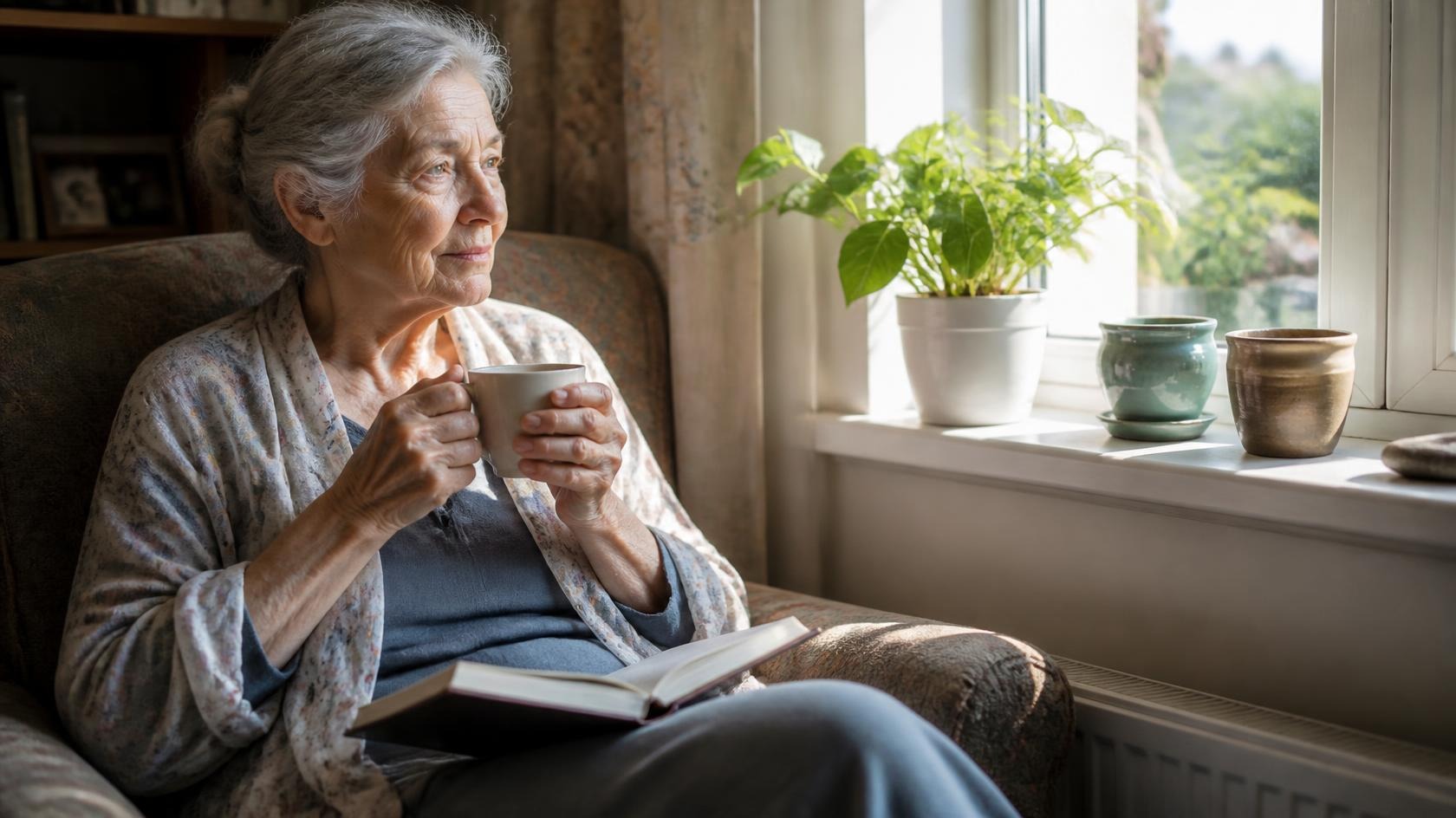
Self-care often gets reduced to surface-level images — bubble baths, spa days, treating yourself to something nice. While these things have their place, genuine self-care tips for seniors involve something more substantial: the ongoing, sometimes unglamorous practices that support real emotional, physical, and mental wellbeing over the long term, rather than only temporary comfort or distraction.
Having worked with seniors navigating genuine life challenges, I want to walk through self-care that actually addresses underlying needs, rather than only offering temporary, surface-level comfort that doesn’t create lasting, meaningful change over time.
Redefining Self-Care Beyond the Surface
Genuine self-care involves the consistent practices that support your actual wellbeing, which sometimes look considerably less glamorous than popular images suggest — things like maintaining boundaries, addressing health concerns proactively, or having difficult but necessary conversations. This doesn’t mean pleasant, relaxing activities have no place in self-care, but rather that they represent only one piece of a more comprehensive approach to genuinely caring for yourself.
Understanding this broader definition helps ensure self-care efforts actually address what you genuinely need, rather than only providing temporary distraction or comfort without touching the underlying factors affecting your wellbeing.
Why Genuine Self-Care Sometimes Feels Harder Than Pampering
It’s worth acknowledging directly that the kind of comprehensive self-care discussed throughout this article often requires more genuine effort and sometimes discomfort than the popular, more surface-level version — setting a boundary can feel awkward, seeking therapy can feel vulnerable, processing difficult emotions can feel painful in the short term. This is part of why simplified, purely pleasant self-care images have become so much more popular in mainstream culture — they’re genuinely easier and more immediately gratifying than the deeper work that authentic self-care sometimes requires.
Understanding this distinction doesn’t mean pleasant self-care activities are wrong or should be abandoned — they remain valuable and legitimate. But recognizing that genuine, comprehensive self-care sometimes involves temporary discomfort in service of longer-term wellbeing helps set more realistic expectations, rather than assuming self-care should always feel immediately pleasant and comfortable in every moment.
Self-Care Looks Different Depending on Your Specific Circumstances
The specific self-care practices that genuinely serve you depend considerably on your individual circumstances — someone managing a chronic illness may need self-care that centers heavily on medical management and pacing energy carefully, while someone in good health but experiencing significant loneliness may need self-care focused primarily on rebuilding social connection. Recognizing that self-care isn’t a universal checklist applied identically to everyone, but rather a personalized response to your genuine current needs, tends to produce more meaningful, relevant results than following generic self-care advice without adapting it to your specific situation.
Taking time to honestly assess what you’re genuinely struggling with or lacking right now — rather than assuming a generic list of self-care activities applies equally to your unique circumstances — helps direct your self-care efforts toward what will actually make a meaningful difference in your particular life.
Prioritize Preventive Healthcare
Consistently attending recommended screenings, check-ups, and preventive care appointments represents genuine self-care, even though it’s rarely included in popular conceptions of the practice.
Why it matters: Proactive healthcare prevents many problems from becoming significant, and treating your own health as worth this consistent attention and investment reflects genuine self-respect and self-care, beyond any single relaxing activity.
Set and Maintain Genuine Boundaries
Learning to say no to requests or commitments that exceed your genuine capacity, even when this feels uncomfortable, represents essential self-care that protects your overall wellbeing.
Why it matters: Chronic overcommitment, particularly common among those with a strong sense of obligation to family or community, often undermines wellbeing significantly, making boundary-setting a genuine act of self-care rather than selfishness.
Self-Care for Caregivers Specifically
For seniors who are themselves caring for a spouse or other family member, self-care often gets deprioritized entirely, sometimes with the belief that caregiving responsibilities leave no genuine room for personal wellbeing. In reality, caregiver self-care matters particularly significantly, since caregiver burnout genuinely undermines the quality of care provided over time, meaning attending to your own needs ultimately serves the person you’re caring for as well, not simply yourself.
Why it matters: Accepting respite care when available, maintaining at least minimal social connections outside the caregiving relationship, and being honest with yourself and others about your own limits all represent genuine self-care specifically relevant to this often-overlooked population, who frequently need explicit permission and encouragement to prioritize their own wellbeing alongside their caregiving responsibilities.
Address Difficult Emotions Rather Than Avoiding Them
Genuine self-care sometimes involves sitting with and working through difficult emotions — grief, anger, disappointment — rather than only pursuing distraction or immediate comfort.
Why it matters: Suppressed or avoided emotions tend to resurface eventually, often in more difficult forms, while genuinely processing difficult feelings, even though uncomfortable in the moment, tends to support more lasting emotional wellbeing than avoidance strategies alone.
Overcoming Generational Resistance to Self-Care
Many people in this generation grew up with cultural messaging that framed prioritizing personal needs as indulgent or selfish, particularly for those raised with strong values around duty, sacrifice, and putting others first. This generational context can make genuine self-care feel uncomfortable or even morally questionable, despite growing understanding that sustainable self-care actually supports your capacity to fulfill these same values of care and duty toward others more effectively over the long term.
Reframing self-care not as selfish indulgence but as responsible stewardship of the resources — physical, emotional, mental — that allow you to continue caring for others and contributing meaningfully to your community can help address this generational resistance directly, making genuine self-care feel more aligned with, rather than opposed to, deeply held values around responsibility and care for others.
Maintain Meaningful Social Connections
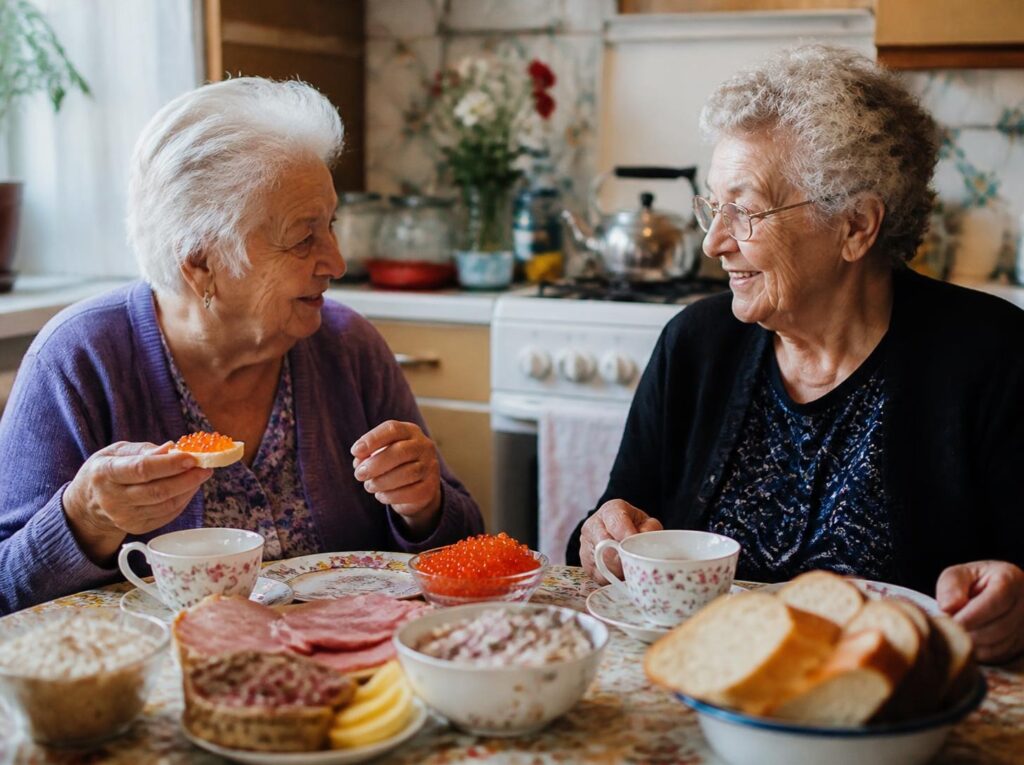
Actively investing time and effort in genuine relationships, rather than allowing them to passively fade, represents significant self-care given how strongly social connection predicts overall wellbeing.
Why it matters: This kind of relational self-care requires more active effort than solitary pampering activities, but tends to provide more substantial, lasting benefit for overall emotional health and resilience.
Practice Honest Self-Reflection
Taking time to honestly assess how you’re actually doing — rather than defaulting to automatic reassurances that everything is fine — represents a form of self-care that creates space for addressing genuine concerns before they become more significant.
Why it matters: Regular honest check-ins with yourself can catch emerging problems, whether physical, emotional, or relational, while they’re still relatively manageable, rather than only addressing concerns once they’ve become significant enough to be undeniable.
Seek Professional Support When Genuinely Needed
Recognizing when professional support — therapy, medical care, financial counseling — would genuinely help, and actually seeking it out, represents significant self-care that many people resist out of pride or a sense that they should manage independently.
Why it matters: Self-care doesn’t mean handling everything entirely alone — it means genuinely attending to your needs, which sometimes requires professional expertise beyond what self-directed effort alone can provide.
Engage in Activities That Provide Genuine Meaning
Beyond relaxation, self-care includes prioritizing time for activities that provide genuine meaning and purpose, which support deeper wellbeing than purely comfort-focused activities alone.
Why it matters: Meaningful engagement — through hobbies, relationships, contribution to others — tends to provide more substantial, lasting satisfaction than purely pleasurable but ultimately hollow distractions, even though both have their place in a complete self-care approach.
Attend to Physical Needs Consistently
Adequate sleep, nutrition, hydration, and movement represent foundational self-care that, while unglamorous, genuinely supports both physical and emotional wellbeing more significantly than almost any other single category of self-care practice discussed throughout this article.
Why it matters: These basic physical needs form the foundation that other aspects of wellbeing depend on, meaning neglecting them undermines the effectiveness of other self-care efforts, however well-intentioned those other efforts might genuinely be, since a body that’s chronically under-slept, under-hydrated, or under-nourished struggles to fully benefit from even the most thoughtfully designed emotional or relational self-care practices.
Allow Yourself Genuine Rest, Without Guilt
While self-care extends beyond simple relaxation, genuine rest remains a legitimate, important component, particularly for those who feel chronic guilt about taking time for themselves.
Why it matters: Rest isn’t laziness or selfishness — it’s a genuine physiological and psychological need, and permitting yourself adequate rest without excessive guilt represents authentic self-care rather than an indulgence to feel apologetic about.
Building a Comprehensive Self-Care Approach
Rather than relying on occasional pampering activities alone, genuine self-care involves attending consistently to physical health, emotional processing, meaningful relationships, and appropriate professional support when needed. This more comprehensive approach requires more ongoing effort than occasional spa days, but provides substantially more meaningful, lasting wellbeing benefit.
For a broader look at building genuine emotional resilience, our article on building a positive mindset after 60 covers complementary strategies that work alongside comprehensive self-care.
According to the National Institute on Aging, comprehensive self-care, including attention to physical health, emotional wellbeing, and social connection, significantly supports overall wellbeing throughout the aging process.
Frequently Asked Questions
Is it selfish to prioritize self-care when others depend on me? No — genuine self-care actually supports your capacity to care for others sustainably, since neglecting your own needs often leads to burnout that ultimately reduces your ability to provide the care and support others depend on.
How do I know if I need professional support rather than self-directed self-care? If self-directed efforts aren’t providing adequate relief, or if you’re experiencing persistent significant distress affecting daily functioning, this represents a reasonable signal that professional support would genuinely help beyond what self-care alone can address.
What if self-care feels like just another obligation on an already full plate? This is a common concern. Starting with small, manageable self-care practices, rather than an overwhelming comprehensive overhaul, tends to feel more sustainable than treating self-care itself as another significant burden to manage.
Can self-care look different for everyone, or are there universal practices everyone needs? While the foundational categories discussed throughout this article (physical health, emotional processing, connection, meaning) apply broadly, the specific activities that fulfill these categories genuinely vary by individual preference, circumstance, and what feels most personally meaningful and sustainable to maintain over time.
Conclusion
Self-care tips for seniors extend well beyond bubble baths and spa days, encompassing preventive healthcare, boundary-setting, honest emotional processing, and meaningful connection. This more comprehensive, sometimes less glamorous approach to caring for yourself offers genuine, lasting wellbeing benefit that surface-level pampering alone simply can’t provide, regardless of your current age or how long these deeper self-care practices have been neglected in favor of the more familiar, simpler version.
Starting Small When Comprehensive Self-Care Feels Overwhelming
If the full scope of self-care discussed throughout this article feels overwhelming to implement all at once, starting with just one or two areas that feel most relevant to your current situation tends to be far more sustainable than attempting a complete overhaul simultaneously. Perhaps preventive healthcare feels like the most obviously neglected area, or perhaps boundary-setting resonates most strongly given a pattern of chronic overcommitment you’ve noticed in your own life.
Choosing this starting point based on genuine personal relevance, rather than attempting every category discussed throughout this article simultaneously, tends to build sustainable momentum more effectively than an ambitious but ultimately unsustainable attempt at comprehensive change all at once. Once one area feels more established and manageable, gradually incorporating additional aspects of comprehensive self-care becomes considerably more achievable than starting with everything at once.
Recognizing That Self-Care Is an Ongoing Practice, Not a Destination
Genuine self-care isn’t something you achieve once and maintain automatically afterward — it requires ongoing, consistent attention throughout life, adjusting as circumstances and needs evolve. Approaching self-care as a lifelong practice, rather than a temporary intervention or occasional treat, tends to support the kind of sustained wellbeing that genuinely comprehensive self-care can offer over the years ahead.
Disclaimer: This article is intended for general informational and educational purposes only and does not constitute medical or mental health advice. If you’re experiencing persistent distress affecting daily functioning, please consult your doctor or a mental health professional.