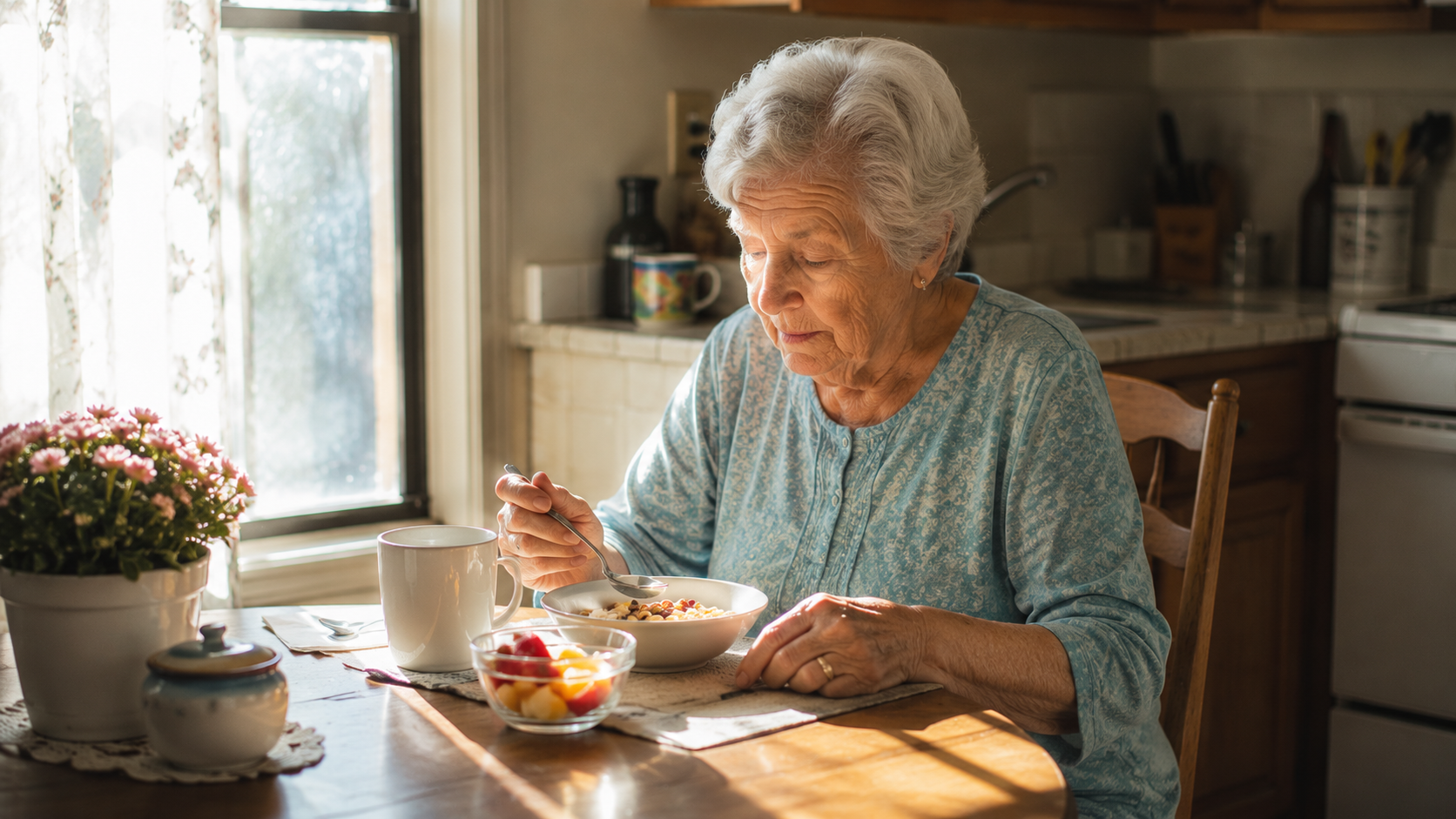
Many of the health challenges that affect quality of life in later years aren’t the result of bad luck or unavoidable decline — they often stem from a handful of common, correctable mistakes that build up gradually over time. Understanding the common health mistakes seniors should avoid can help protect independence, energy, and overall wellbeing for years longer than many people expect, without requiring dramatic lifestyle changes overnight.
Having worked directly with seniors across a wide range of health situations, I’ve seen these same patterns come up repeatedly, often in families who genuinely didn’t realize how much these small, correctable habits were affecting long-term wellbeing. The encouraging news is that nearly all of them are within your control to address, regardless of how long they’ve been part of your routine.
Skipping Regular Check-Ups Until Something Feels Wrong
One of the most common mistakes is treating doctor visits as something to schedule only when symptoms appear, rather than as ongoing preventive care. Many serious conditions — high blood pressure, diabetes, certain cancers — develop silently for years before producing noticeable symptoms. Regular check-ups and age-appropriate screenings catch these issues while they’re still highly treatable, often before a person even realizes anything was wrong in the first place.
Not Reviewing Medications Regularly
As prescriptions accumulate from different specialists over the years, it’s easy to end up on a medication regimen that hasn’t been fully reviewed in a long time — sometimes including medications that are no longer necessary, or combinations that interact poorly. An annual medication review with your doctor or pharmacist helps catch these issues before they cause harm, and many seniors are surprised to learn how many medications on their list could safely be reduced or eliminated once reviewed carefully.
Underestimating the Importance of Strength Training
Many seniors focus heavily on cardiovascular exercise, like walking, while neglecting strength training entirely. Since muscle mass naturally declines with age, skipping strength training accelerates this decline, weakening the muscles needed for everyday tasks like climbing stairs or rising from a chair. Even light resistance exercises, done consistently, can meaningfully offset this decline.
Ignoring Changes in Vision or Hearing
Vision and hearing decline often happen so gradually that people adapt without fully realizing how much has changed, until a fall, missed conversation, or driving incident reveals the extent of the issue. Regular vision and hearing screenings, and addressing changes proactively with glasses or hearing aids, significantly reduces fall risk and supports continued social engagement.
Not Getting Enough Protein
Protein needs actually increase with age to help preserve muscle mass, yet many seniors unintentionally reduce protein intake as appetite decreases or diets shift toward softer, more convenient foods. This contributes to muscle loss, reduced strength, and slower recovery from illness or injury. Prioritizing protein at each meal helps counteract this common and often overlooked mistake.
Isolating Rather Than Staying Socially Connected
Social isolation is linked to significant health risks, including increased rates of heart disease, depression, and cognitive decline — yet it’s easy to gradually withdraw after retirement, the loss of a spouse, or reduced mobility. Proactively maintaining social connections, even in smaller or adapted ways, is one of the most protective health habits available at any age.
Dismissing Fatigue or Pain as “Just Getting Older”
Persistent fatigue, pain, or other symptoms are sometimes dismissed as an unavoidable part of aging, when in fact they often signal a treatable underlying issue — a medication side effect, an undiagnosed condition, or a nutritional deficiency. Bringing these symptoms to a doctor, rather than assuming they’re simply inevitable, often leads to meaningful improvement.
Not Making Home Modifications Proactively
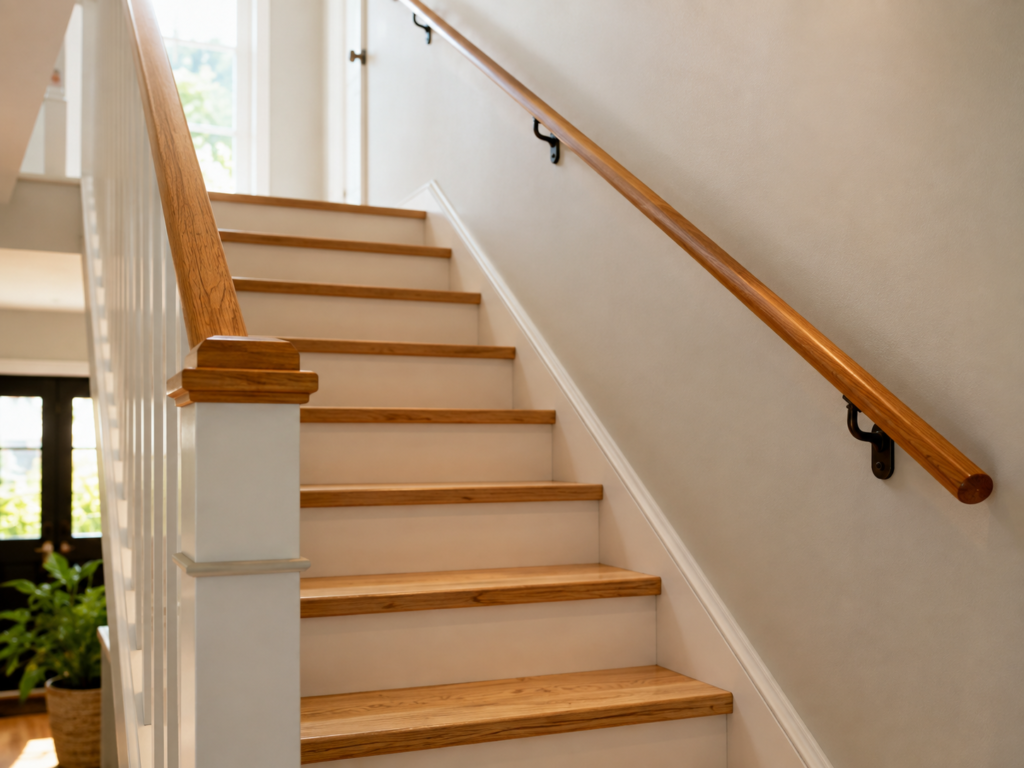
Many seniors wait until after a fall or health scare to make home safety modifications like grab bars, improved lighting, or removing tripping hazards. Making these changes proactively, before they’re urgently needed, prevents the very incidents that often force a much more difficult transition later.
Overlooking Mental Health
Depression and anxiety are common in older adults but are frequently under-recognized, sometimes dismissed by both seniors themselves and their families as an understandable response to aging, rather than a treatable health condition. Persistent low mood, loss of interest in activities, or ongoing anxiety deserve the same attention as any physical health concern, and effective treatments exist that can meaningfully improve quality of life at any age.
Neglecting Advance Care Planning
Many seniors put off discussing or documenting their healthcare wishes, assuming there’s plenty of time. Without these conversations and documents in place, families are often left making difficult medical decisions without clear guidance, during moments of crisis when clarity matters most. Addressing this earlier, while health and cognitive function are stable, prevents significant stress for both seniors and their families later.
Assuming Supplements Can Replace a Balanced Diet
Many seniors turn to supplements as a shortcut for good nutrition, sometimes taking a long list of pills each morning while neglecting the whole foods that provide many of the same nutrients more effectively, alongside fiber and other benefits supplements can’t replicate. While certain supplements are genuinely valuable for specific deficiencies — vitamin D or B12, for example — an over-reliance on supplements as a substitute for actual meals often leads to gaps in overall nutrition that a pill bottle simply can’t fill.
Working with a doctor or dietitian to identify genuine deficiencies, rather than taking a broad, unguided approach to supplementation, tends to produce better outcomes and can also help avoid potentially harmful interactions between certain supplements and prescribed medications.
Continuing to Drive Without an Honest Self-Assessment
Driving represents independence for many seniors, which can make it difficult to assess honestly whether it’s still safe to continue without restriction. Gradual changes — slower reaction times, increased difficulty with night driving, more frequent close calls — often go unacknowledged specifically because admitting them feels like admitting to a broader loss of independence.
Regular, honest self-check-ins, or a formal driving assessment if there’s any uncertainty, allow for gradual adjustments — like limiting driving to daytime or familiar routes — rather than waiting for a serious incident to force a much more abrupt and difficult transition.
Relying Too Heavily on Memory Instead of Systems
Many seniors continue trying to manage appointments, medications, and important information purely through memory, even as memory naturally becomes somewhat less reliable with age. This isn’t a failing — it’s simply a mismatch between an old habit and a changing reality. Relying on written lists, calendars, pill organizers, or simple reminder systems isn’t a sign of decline; it’s a practical adaptation that reduces errors and stress considerably.
Families sometimes hesitate to suggest these systems, worried it will feel patronizing, but most seniors find well-designed systems genuinely helpful once implemented, since they reduce the mental burden of trying to track everything perfectly in memory alone.
Comparing Your Aging Process to Others
It’s common to measure your own health and aging against friends, siblings, or even media portrayals of “successful aging,” which can lead to unnecessary anxiety or, conversely, a false sense of security. Every person’s health trajectory is shaped by a unique combination of genetics, past health history, and life circumstances, making direct comparisons often unhelpful or even misleading.
A more productive approach involves tracking your own trends over time — noticing genuine changes in your own baseline — rather than measuring yourself against someone else’s experience, which may have very little relevance to your own health picture.
Managing Chronic Conditions Passively
Living with a chronic condition like diabetes or high blood pressure doesn’t have to mean simply taking medication and hoping for the best. Actively engaging with your care — tracking symptoms, understanding your numbers, asking questions during appointments — tends to produce significantly better long-term outcomes than passive management.
Avoiding Necessary Support Out of Pride
Perhaps the most common underlying mistake is resisting help — whether that’s a mobility aid, in-home assistance, or support from family — out of a desire to maintain complete independence at all costs. Ironically, accepting appropriate support at the right time often extends independence significantly, rather than diminishing it, since it prevents the kinds of incidents that could otherwise force a much more restrictive transition later.
Underestimating the Importance of Sleep
Sleep is sometimes treated as a lower priority compared to diet and exercise, yet poor sleep quality is linked to worsened memory, increased fall risk, weakened immune function, and higher rates of depression in older adults. Many seniors accept fragmented, poor-quality sleep as an unavoidable part of aging, without exploring genuinely fixable contributors like sleep apnea, medication timing, or an inconsistent sleep schedule.
Treating sleep as seriously as diet and exercise, and raising ongoing sleep difficulties with a doctor rather than assuming nothing can be done, often reveals treatable causes that meaningfully improve both sleep quality and daytime function.
Waiting Too Long to Involve Family in Health Decisions
Some seniors prefer to handle health matters entirely on their own, only informing family members after decisions have already been made or during a crisis. While independence in decision-making should always be respected, keeping family completely uninformed can create significant challenges later, particularly if a health emergency arises and family members lack basic information about medications, conditions, or care preferences.
Sharing this information proactively — even a simple written summary kept somewhere accessible — doesn’t mean giving up decision-making authority. It simply ensures that if a crisis does occur, the people who may need to help aren’t starting from zero, which can meaningfully improve outcomes and reduce stress for everyone involved.
Building Better Habits Moving Forward
Addressing these common mistakes doesn’t require perfection or an overwhelming overhaul all at once. Start by identifying which of these areas feels most relevant to your own situation, and address it first, before moving on to the next, giving yourself credit for each incremental improvement rather than measuring success only against a fully corrected list. Our article on 10 daily habits that help you stay healthy after 60 offers a practical framework for building supportive habits gradually and sustainably.
According to the National Institute on Aging, proactive engagement with preventive healthcare, physical activity, and social connection significantly reduces the risk of many common age-related health challenges.
Frequently Asked Questions
Which of these mistakes has the biggest impact on long-term health? While all matter, skipping preventive healthcare and neglecting strength training tend to have particularly significant, compounding effects on long-term independence and quality of life, since both directly affect the body’s ability to catch problems early and maintain physical resilience.
Is it too late to correct these mistakes if I’ve been making them for years? No — research consistently shows that positive changes at any age, including addressing long-standing habits, can produce meaningful improvements in health and quality of life, sometimes within just a matter of weeks or months of making a change.
How often should medications be reviewed? An annual medication review is generally recommended, though this should happen more frequently if new medications are added or health conditions change significantly, and especially after any hospital stay or emergency room visit where prescriptions may have shifted.
What’s the best first step if I recognize several of these mistakes in my own life? Rather than trying to address everything at once, choose the single area that feels most urgent or impactful, and focus there first before gradually addressing additional areas, building momentum with early, achievable wins rather than becoming overwhelmed by trying to fix everything simultaneously.
Conclusion
Many of the health challenges commonly associated with aging aren’t inevitable — they often stem from correctable patterns like skipping preventive care, neglecting strength training, relying too heavily on memory alone, or resisting appropriate support. Recognizing and addressing these common mistakes, even gradually, can meaningfully protect your independence, energy, and quality of life for years to come, regardless of how long these patterns have been in place.
Disclaimer: This article is intended for general informational and educational purposes only and does not constitute medical advice. Please consult your doctor regarding any specific health concerns or before making changes to your medications or healthcare routine.